
Gene Katz
LPCColorado · 14 yrs exp
Calm, practical therapy for anxiety and life strain
Stress, Anxiety · Addictions · LGBT · Relationship · +1 more
Read profileTherapists in the United States, United Kingdom and Australia
Need help right now?Therapist listings are provided by BetterHelp. We will earn a commission at no additional cost to you if you use our links to purchase.
Browse profiles of clinicians listed in Colorado who note panic attacks and anxiety among their focus areas. Compare approaches, languages, credentials and experience to decide which profiles to explore further.
Colorado · 14 yrs exp
Calm, practical therapy for anxiety and life strain
Stress, Anxiety · Addictions · LGBT · Relationship · +1 more
Read profile
Colorado · 10 yrs exp
Calm-focused counselor for stress and anxiety
Stress, Anxiety · Family · Trauma and abuse · Depression · +1 more
Read profile
Colorado · 13 yrs exp
Calm, practical support for anxious moments
Stress, Anxiety · Trauma and abuse · Self esteem · Bipolar · +1 more
Read profile
Colorado · 27 yrs exp
Seasoned LCSW for anxiety and trauma
Stress, Anxiety · Addictions · Trauma and abuse · Depression · +1 more
Read profile
Colorado · 4 yrs exp
Calm, practical support for anxious days
Stress, Anxiety · Addictions · Trauma and abuse · Self esteem · +1 more
Read profile
Colorado · 6 yrs exp
Compassionate trauma-informed addiction support
Addictions · Relationship · Trauma and abuse · Parenting · +1 more
Read profile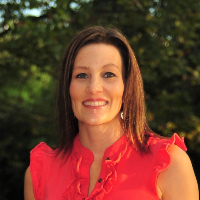
Colorado · 24 yrs exp
Compassionate counselor focusing on anxiety and life changes
Stress, Anxiety · Addictions · Parenting · Career · +11 more
Read profile
Colorado · 12 yrs exp
Practical skills for anxiety and addiction recovery
Stress, Anxiety · Addictions · Trauma and abuse · Self esteem · +5 more
Read profile
Colorado · 20 yrs exp
Calm, practical support for anxiety and trauma
Stress, Anxiety · Trauma and abuse · Self esteem · Depression · +9 more
Read profile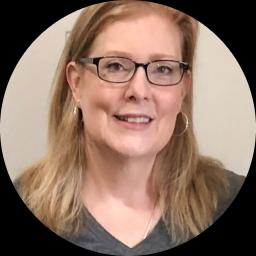
Colorado · 30 yrs exp
Calm, practical support for anxiety and life changes
Stress, Anxiety · Grief · Self esteem · Depression · +5 more
Read profile
Colorado · 10 yrs exp
Practical tools for anxiety and relationships
Stress, Anxiety · Relationship · Intimacy-related issues · Self esteem · +6 more
Read profile
Colorado · 10 yrs exp
Compassionate counselor focused on practical growth
Stress, Anxiety · Relationship · Trauma and abuse · Parenting · +6 more
Read profile
Colorado · 20 yrs exp
Experienced Colorado LPC focused on practical support
Stress, Anxiety · Addictions · Anger · Depression · +6 more
Read profile
Colorado · 12 yrs exp
Support for panic, anxiety, and transitions
Stress, Anxiety · Relationship · Grief · Depression · +8 more
Read profile
Colorado · 7 yrs exp
Practical support for anxiety and trauma recovery
Stress, Anxiety · Trauma and abuse · Self esteem · Coping with life changes · +3 more
Read profile
Colorado · 17 yrs exp
Practical support for stress and anxiety
Stress, Anxiety · Relationship · Family · Grief · +7 more
Read profile
Colorado · 7 yrs exp
Practical support for anxiety and life changes
Stress, Anxiety · Trauma and abuse · Anger · Career · +11 more
Read profile
Colorado · 10 yrs exp
Practical, strengths-based therapy for anxiety
Stress, Anxiety · Career · Coping with life changes · Addictions · +8 more
Read profile
Colorado · 16 yrs exp
Practical support for anxiety and trauma recovery
Stress, Anxiety · Trauma and abuse · Parenting · Depression · +1 more
Read profile
Colorado · 10 yrs exp
Practical, goal-focused counseling for anxiety and stress
Stress, Anxiety · Relationship · Self esteem · Depression · +1 more
Read profile
Colorado · 9 yrs exp
Compassionate therapist focused on practical change
Stress, Anxiety · Trauma and abuse · Grief · Anger · +3 more
Read profile
Colorado · 9 yrs exp
Calm-focused, practical counseling for life changes
Relationship · Family · Career · Coping with life changes · +4 more
Read profile
Colorado · 14 yrs exp
Practical support for anxiety and life change
Stress, Anxiety · Relationship · Trauma and abuse · Depression · +1 more
Read profile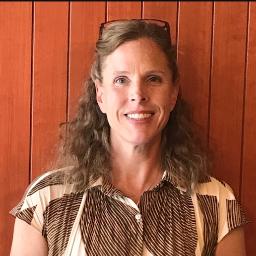
Colorado · 20 yrs exp
Supportive Colorado LCSW for anxiety and life changes
Stress, Anxiety · Relationship · Career · Depression · +1 more
Read profileIf you live with panic attacks or the fear of the next one, your experience may include a racing heart, shortness of breath, dizziness, sweating, a sense of unreality, or a strong urge to avoid places or activities that feel unsafe. Those sensations can be frightening and may lead you to change routines or limit social and work activities. It helps to know that many people describe similar symptoms, and that the first step when new or concerning physical signs appear is to check with a doctor. Chest pain, fainting, faint-like episodes, or any new physical symptoms should be evaluated by a medical professional before you assume they come from anxiety.
When you are looking at profiles in the Colorado listed location, focus on the parts of a profile that speak to the kinds of experiences you have. Look for mentions of panic attacks, breathlessness, avoidance, or panic-related triggers in the clinician's description. Read how a clinician writes about working with these issues - whether they emphasize coping skills, exposure to feared sensations, or understanding anxiety cycles - and think about which language feels most like the kind of support you want to try.
Profiles grouped under Colorado reflect the listed location on each profile, not a guarantee of an in-person office or current license status. A listed location can indicate where a clinician works, but you should open the individual profile to see details and confirm that the person is permitted to work with you where you live. Permission to practice varies by country and, in the United States, by state. In the UK and Australia, clinicians may note registration or membership with professional bodies rather than a state license. Academic degrees such as PhD, PsyD, MD, MA or MSW describe education and training history, but a degree alone does not establish current permission to practice. When you review a profile, look for how the clinician describes their credentials and any statements about their ability to work with clients in Colorado or in your jurisdiction. If that information is not clear on the profile, make a direct inquiry before beginning care.
When you contact a clinician or prepare to compare profiles, specific questions will give you clearer information than general impressions. Ask whether panic attacks are listed among their focus areas and how they typically describe working with them. You can ask how they help with the physical sensations you notice - for example, do they discuss breathing-related techniques, interoceptive exposure to reduce fear of sensations, or cognitive strategies to respond to thought patterns that increase panic? If a profile mentions approaches such as EMDR, CBT or acceptance-based methods, remember that this means the therapist lists those approaches among their options. You can ask how often they use a given approach with people whose primary concern is panic attacks, and what clients typically do between sessions.
Also ask about experience with particular situations that matter to you. If you worry about panic while driving, working, or in crowded spaces, ask whether they have worked with similar concerns and what kinds of steps they recommend. Clarify the populations they work with - for example adults, older adults, or people with co-occurring medical conditions - because a listed topic does not automatically mean they treat every group. Finally, if language or cultural match matters, ask which languages they use in sessions and how they approach cultural or identity-related factors in care.
If you plan to work remotely, it is important to cover practical and safety topics before you begin. Ask whether the clinician is permitted to provide care to clients in your state or country and how they handle situations that require immediate help. Confirm what steps they recommend if you experience a severe panic episode during or between sessions, including how to reach local emergency services and how they coordinate with your medical providers if necessary. Online talk therapy is not emergency or medical care, so having a plan for urgent physical symptoms and knowing when to call your doctor or emergency services is crucial.
Discuss the technology you will use, how sessions are scheduled and canceled, and what to expect if a session is interrupted. Ask about data protection and privacy practices so you understand how session notes and communications are handled. If a quiet, familiar room helps you during sessions, arrange for a safe setting where you can speak openly. Bring up any accessibility needs, sensory considerations, or timing constraints so the clinician can describe how they structure sessions to fit your situation.
Comparing profiles is most helpful when you look for specific details rather than trying to judge who is right from a few lines. Read how each clinician writes about panic attacks and anxiety - do they mention avoidance, breathlessness, or panic triggered by specific environments? Note which clinicians list those focus areas and then look at the approaches they describe. Some clinicians will list CBT, mindfulness-informed approaches, or therapists who list EMDR among their approaches. These descriptions indicate what they say they use, not a guarantee of outcomes or formal certification. Think about whether you prefer a skills-based, exploratory, or exposure-oriented style and look for language that matches that preference.
Credentials and professional status matter differently across locations. In the United States, look for a license type and confirm it applies in your state. In the UK and Australia, look for registration or membership with relevant professional organizations. Degrees such as MA, MSW, PhD, PsyD or MD tell you about academic background but do not replace license or registration status. Also consider language and cultural fit. If you want therapy in a language other than English, look for clinicians who list that language. Finally, read clinician bios for hints about session style - do they describe short-term, goal-focused work, or a more open-ended, reflective approach? Use those clues to prioritize profiles to contact, and remember to confirm any specifics directly with the clinician before beginning work.
As you browse profiles in the Colorado listed location, keep your immediate safety in mind, check medical issues with a doctor, and use the concrete questions above to guide your outreach. Confirm on each profile whether the clinician can work with you where you live, and ask directly about approach, experience with panic attacks, language, and what to expect in sessions. Taking these steps will help you find profiles that align with your needs so you can decide which clinicians to contact for an initial conversation.
Addictions
1106 therapists
Chronic Illness
623 therapists
Chronic Pain
623 therapists
Control Issues
1558 therapists
Depression
3180 therapists
Grief
1868 therapists
Guilt and Shame
2657 therapists
Isolation / Loneliness
2494 therapists
Mood Disorders
2033 therapists
OCD
635 therapists
Panic Disorder and Panic Attacks
3797 therapists
Phobias
387 therapists
Post-Traumatic Stress
2361 therapists
Postpartum Depression
425 therapists
Self Esteem
2682 therapists
Sleeping Disorders
463 therapists
Social Anxiety and Phobia
2909 therapists
Somatization
150 therapists
Stress & Anxiety
3634 therapists
Trauma and Abuse
2467 therapists
Aging and Geriatric Issues
340 therapists
Attachment Issues
1720 therapists
Career
1021 therapists
Caregiver Issues and Stress
1313 therapists
Communication Problems
2808 therapists
Coping with Life Changes
2276 therapists
Family
1588 therapists
Life Purpose
2455 therapists
Money and Financial Issues
528 therapists
Parenting
1174 therapists
Pregnancy
468 therapists
Relationship
2298 therapists
Workplace Issues
1483 therapists