
Sahra Robinson
LCSWNew York · 24 yrs exp
Compassionate care with practical strategies
Stress, Anxiety · Relationship · Anger · Self esteem · +12 more
Read profileTherapists in the United States, United Kingdom and Australia
Need help right now?Therapist listings are provided by BetterHelp. We will earn a commission at no additional cost to you if you use our links to purchase.
Compare profiles of therapists who list Guilt and Shame as a focus alongside panic attacks and anxiety. Each profile highlights approaches, degrees, languages, and the listed location so you can identify practitioners who match your preferences. Browse the profiles below to learn more and narrow your search.
New York · 24 yrs exp
Compassionate care with practical strategies
Stress, Anxiety · Relationship · Anger · Self esteem · +12 more
Read profile
Michigan · 45 yrs exp
Practical support for panic and anxiety recovery
Stress, Anxiety · Addictions · Trauma and abuse · Grief · +10 more
Read profile
South Carolina · 10 yrs exp
Practical, client-centered care for anxiety
Stress, Anxiety · Relationship · Family · Trauma and abuse · +1 more
Read profile
Michigan · 35 yrs exp
Practical, compassionate help for anxiety and life change
Stress, Anxiety · Addictions · Trauma and abuse · Self esteem · +3 more
Read profile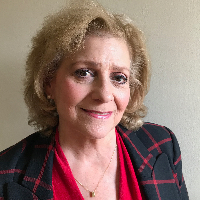
Pennsylvania · 21 yrs exp
Experienced counselor focused on practical change
Stress, Anxiety · Relationship · Family · Self esteem · +12 more
Read profile
Wisconsin · 11 yrs exp
Practical, warm counseling for anxiety and life change
Stress, Anxiety · Family · Trauma and abuse · Depression · +12 more
Read profile
Tennessee · 35 yrs exp
Compassionate guidance for anxiety and life changes
Stress, Anxiety · Grief · Self esteem · Depression · +8 more
Read profile
Kansas · 25 yrs exp
Experienced counselor focused on practical progress
Stress, Anxiety · Self esteem · Career · Depression · +11 more
Read profile
New York · 13 yrs exp
Calm, practical help for anxiety and stress
Stress, Anxiety · Self esteem · Depression · Coping with life changes · +8 more
Read profile
Oregon · 17 yrs exp
Therapist who blends practical skills and empathy
Stress, Anxiety · Trauma and abuse · Grief · Intimacy-related issues · +1 more
Read profile
Michigan · 5 yrs exp
Experienced LMSW focused on practical change
Stress, Anxiety · Addictions · Relationship · Family · +1 more
Read profile
Michigan · 6 yrs exp
Calm guidance for anxious moments
Stress, Anxiety · Relationship · Self esteem · Depression · +7 more
Read profile
Georgia · 11 yrs exp
Support focused on practical change
Addictions · Relationship · Trauma and abuse · Bipolar · +1 more
Read profile
Missouri · 23 yrs exp
Compassionate counselor for anxiety and life changes
Stress, Anxiety · Relationship · Trauma and abuse · Depression · +9 more
Read profile
Wisconsin · 18 yrs exp
Practical, compassionate help for anxiety and life changes
Stress, Anxiety · Parenting · Self esteem · Depression · +11 more
Read profile
Missouri · 22 yrs exp
Compassionate counselor for anxiety and mood
Stress, Anxiety · Addictions · Self esteem · Bipolar · +1 more
Read profile
Illinois · 34 yrs exp
Experienced LCPC blending skills and compassion
Stress, Anxiety · Relationship · Grief · Self esteem · +11 more
Read profile
Texas · 8 yrs exp
Mental health care with practical focus
Stress, Anxiety · Addictions · Trauma and abuse · Self esteem · +11 more
Read profile
North Carolina · 10 yrs exp
Calm support for anxiety and panic
Stress, Anxiety · Trauma and abuse · Self esteem · Depression · +1 more
Read profile
Illinois · 39 yrs exp
Calm, practical support for daily struggles
Stress, Anxiety · Relationship · Grief · Sleeping · +1 more
Read profile
Massachusetts · 30 yrs exp
Calm, practical support for anxiety and life strain
Stress, Anxiety · Addictions · Relationship · Trauma and abuse · +1 more
Read profile
Louisiana · 20 yrs exp
Calm guidance with practical tools
Stress, Anxiety · Family · Parenting · Anger · +9 more
Read profile
Utah · 23 yrs exp
Supportive LCSW for adult anxiety and stress
Stress, Anxiety · Anger · Self esteem · Career · +1 more
Read profile
North Carolina · 12 yrs exp
Compassionate practical help for anxiety and life change
Stress, Anxiety · Relationship · Parenting · Depression · +9 more
Read profileIf you are managing panic attacks or persistent anxiety, experiences of guilt and shame can feel overwhelming and often shape the way you move through everyday life. Guilt tends to focus on specific actions or perceived mistakes, while shame is more about feeling flawed at the core. Either can raise your alarm system, increase self-criticism, and lead to avoidance of people or situations that trigger uncomfortable feelings, which can in turn feed anxiety.
It helps to remember that experiencing guilt or shame does not mean you are disordered or beyond help. Many people who describe racing heart, breathlessness, or the fear of a next attack also report heavy self-blame or embarrassment after an episode. If you notice chest pain or other new physical symptoms, it is important to check these with a doctor first. Online talk therapy is not an emergency service or a substitute for medical care when urgent symptoms appear.
You might notice that guilt and shame shape both what you think and how you behave. After a panic episode, some people replay the moment and blame themselves for not handling it better. Others begin to avoid places or social situations because they fear judgment or humiliation, which can narrow options and increase the sense of being trapped. Physical sensations like a racing heart or breathlessness often become cues for more worry about what others will think, and that worry can make avoidance feel safer than facing the trigger.
When thinking about care, consider how a therapist describes working with bodily symptoms and avoidance. Ask how they support clients in noticing physical sensations without adding layers of self-blame. You might also want to explore whether they work with shame as an emotional experience rather than treating it as something to erase. Different clinicians will describe their approach to feeling states and to behavioral patterns like avoidance in different ways, so the language on a profile can help you anticipate how a conversation might go.
Profiles will often list approaches and therapeutic styles, but the presence of a named method is not evidence of specific training or certification. If you want clarity, ask questions that get at the therapist's everyday practice rather than labels alone. For example, ask how they typically help someone who experiences panic with frequent racing heart and breathlessness, or how they support clients who feel intense shame after an episode. You can also ask whether they have experience working with people who describe strong avoidance patterns linked to self-blame.
It is useful to frame questions around your concrete goals. If your priority is reducing avoidance, you might ask about how they structure exposure-related work and how they pace it. If you want to address persistent self-criticism, ask how emotion-focused or narrative approaches are woven into their sessions. Profiles may note methods such as cognitive-behavioral work, mindfulness-informed practices, or that a therapist lists EMDR among their approaches; use those mentions as conversation starters rather than as guarantees of a particular outcome.
If you plan to work remotely, there are practical and safety topics worth clarifying before a first appointment. Discuss the format of sessions, expected length, and how communication will be handled between meetings. Ask how the clinician handles acute distress if it arises during a remote session, including what steps they recommend you take and how they coordinate with emergency services in your listed location when needed. Remember that online talk therapy is not emergency or medical care, so it is important to know where to get immediate help in your area.
Also cover technical and logistical details that affect your experience. Confirm the languages they list, the time zone of their listed location, and whether they work with people in your region. Talk about what to do if you are interrupted during a session, and how information-sharing boundaries of session content is handled by their chosen platform or practice procedures. These practical conversations help you understand how the therapist will manage moments when panic, breathlessness, or distress are intense.
When comparing profiles, look for concrete signals that match your priorities. Focus areas show the issues a clinician commonly works with; if a profile lists Guilt and Shame alongside panic attacks and anxiety, that suggests those themes come up in their work. Pay attention to the languages the therapist lists so you can communicate in the language you find most comfortable. Profiles also list degrees such as PhD, PsyD, MD, MA, or MSW. A degree reflects educational background but is not the same as a current registration or license to practice.
Licensing and regulation differ by country. In the United States many clinicians note a state-issued license as part of their profile. In the United Kingdom you will often see references to registration with national regulators or membership in professional bodies. In Australia profiles may refer to registration or association membership. These distinctions matter because a degree on its own does not establish current permission to practice. If you want clarification, ask how the clinician is regulated or registered in relation to the listed location and what that means for practice standards and professional oversight.
Therapeutic style is another important comparison point. Some clinicians describe a more directive, skills-based approach while others describe exploratory or narrative-focused work. Think about whether you prefer practical tools for managing panic symptoms in the moment or a space to explore the meaning of guilt and shame over time. Use profile language as a basis for precise questions: how does the therapist support clients through an acute panic episode, how do they approach internalized shame, and what kinds of homework or between-session work do they typically recommend? Such questions help you move from general descriptors to a clearer sense of whether a therapist's way of working aligns with your needs.
Deciding who to reach out to is a personal step, and profiles are a starting point for conversations rather than final judgments. As you read, keep in mind that a listed focus or an approach name is an invitation to ask specific questions about how the work will help you manage panic-related sensations, reduce avoidance, and address feelings of guilt and shame. If you notice new or worsening physical symptoms, consult a medical professional promptly, and if you are in immediate danger or crisis, seek emergency assistance right away.
Alabama
47 therapists
Alaska
5 therapists
Arizona
46 therapists
Arkansas
27 therapists
Australia
108 therapists
California
286 therapists
Colorado
54 therapists
Connecticut
36 therapists
Delaware
5 therapists
District of Columbia
9 therapists
Florida
189 therapists
Georgia
51 therapists
Hawaii
8 therapists
Idaho
15 therapists
Illinois
116 therapists
Indiana
57 therapists
Iowa
20 therapists
Kansas
25 therapists
Kentucky
46 therapists
Louisiana
50 therapists
Maine
20 therapists
Maryland
46 therapists
Massachusetts
66 therapists
Michigan
136 therapists
Minnesota
37 therapists
Mississippi
29 therapists
Missouri
83 therapists
Montana
20 therapists
Nebraska
19 therapists
Nevada
16 therapists
New Hampshire
12 therapists
New Jersey
93 therapists
New Mexico
13 therapists
New York
248 therapists
North Carolina
75 therapists
North Dakota
4 therapists
Ohio
107 therapists
Oklahoma
47 therapists
Oregon
16 therapists
Pennsylvania
138 therapists
Rhode Island
5 therapists
South Carolina
39 therapists
South Dakota
8 therapists
Tennessee
50 therapists
Texas
355 therapists
United Kingdom
726 therapists
Utah
23 therapists
Vermont
15 therapists
Virginia
52 therapists
Washington
38 therapists
West Virginia
7 therapists
Wisconsin
41 therapists
Wyoming
13 therapists