
Sahra Robinson
LCSWNew York · 24 yrs exp
Compassionate care with practical strategies
Stress, Anxiety · Relationship · Anger · Self esteem · +12 more
Read profileTherapists in the United States, United Kingdom and Australia
Need help right now?Therapist listings are provided by BetterHelp. We will earn a commission at no additional cost to you if you use our links to purchase.
Use profiles to compare clinicians who list Relationship alongside panic attacks and anxiety by listed location, approaches, languages, and credentials. Browse profiles to learn more about each therapist’s focus, experience, and communication style.
New York · 24 yrs exp
Compassionate care with practical strategies
Stress, Anxiety · Relationship · Anger · Self esteem · +12 more
Read profile
Illinois · 25 yrs exp
Calm, experienced LCSW guiding practical change
Stress, Anxiety · Relationship · Grief · Depression · +10 more
Read profile
Michigan · 45 yrs exp
Practical support for panic and anxiety recovery
Stress, Anxiety · Addictions · Trauma and abuse · Grief · +10 more
Read profile
South Carolina · 10 yrs exp
Practical, client-centered care for anxiety
Stress, Anxiety · Relationship · Family · Trauma and abuse · +1 more
Read profile
Michigan · 35 yrs exp
Practical, compassionate help for anxiety and life change
Stress, Anxiety · Addictions · Trauma and abuse · Self esteem · +3 more
Read profile
Texas · 8 yrs exp
Practical, goal-focused counseling for everyday struggles
Stress, Anxiety · Grief · Self esteem · Career · +11 more
Read profile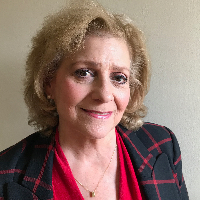
Pennsylvania · 21 yrs exp
Experienced counselor focused on practical change
Stress, Anxiety · Relationship · Family · Self esteem · +12 more
Read profile
Wisconsin · 11 yrs exp
Practical, warm counseling for anxiety and life change
Stress, Anxiety · Family · Trauma and abuse · Depression · +12 more
Read profile
Mississippi · 9 yrs exp
Compassionate, practical counseling for everyday life
Stress, Anxiety · Trauma and abuse · Parenting · Anger · +13 more
Read profile
Tennessee · 35 yrs exp
Compassionate guidance for anxiety and life changes
Stress, Anxiety · Grief · Self esteem · Depression · +8 more
Read profile
Kansas · 25 yrs exp
Experienced counselor focused on practical progress
Stress, Anxiety · Self esteem · Career · Depression · +11 more
Read profile
New York · 13 yrs exp
Calm, practical help for anxiety and stress
Stress, Anxiety · Self esteem · Depression · Coping with life changes · +8 more
Read profile
New York · 18 yrs exp
Calm-focused counselor for anxiety and life stress
Stress, Anxiety · Relationship · Parenting · Anger · +1 more
Read profile
Michigan · 5 yrs exp
Experienced LMSW focused on practical change
Stress, Anxiety · Addictions · Relationship · Family · +1 more
Read profile
Texas · 14 yrs exp
Calm, practical support for anxiety and stress
Stress, Anxiety · Anger · Depression · ADHD · +7 more
Read profile
Michigan · 6 yrs exp
Calm guidance for anxious moments
Stress, Anxiety · Relationship · Self esteem · Depression · +7 more
Read profile
Georgia · 11 yrs exp
Support focused on practical change
Addictions · Relationship · Trauma and abuse · Bipolar · +1 more
Read profile
Missouri · 23 yrs exp
Compassionate counselor for anxiety and life changes
Stress, Anxiety · Relationship · Trauma and abuse · Depression · +9 more
Read profile
Wisconsin · 18 yrs exp
Practical, compassionate help for anxiety and life changes
Stress, Anxiety · Parenting · Self esteem · Depression · +11 more
Read profile
Illinois · 34 yrs exp
Experienced LCPC blending skills and compassion
Stress, Anxiety · Relationship · Grief · Self esteem · +11 more
Read profile
Texas · 8 yrs exp
Mental health care with practical focus
Stress, Anxiety · Addictions · Trauma and abuse · Self esteem · +11 more
Read profile
Illinois · 39 yrs exp
Calm, practical support for daily struggles
Stress, Anxiety · Relationship · Grief · Sleeping · +1 more
Read profile
Massachusetts · 30 yrs exp
Calm, practical support for anxiety and life strain
Stress, Anxiety · Addictions · Relationship · Trauma and abuse · +1 more
Read profile
Louisiana · 20 yrs exp
Calm guidance with practical tools
Stress, Anxiety · Family · Parenting · Anger · +9 more
Read profileWhen panic attacks or ongoing anxiety become part of your life, they often ripple into the people and relationships you care about. You might notice a racing heart, breathlessness, a sense of unreality, or a strong urge to avoid places or conversations that feel triggering. Those experiences can make it hard to trust your own reactions, speak up about needs, or feel close to others. You may also find yourself withdrawing, becoming more reactive, or worrying about having an attack around a partner, family member, or friend. All of these responses are common and understandable when you are living with the fear of the next attack.
Reading profiles on this page can help you find clinicians who say they work with Relationship issues alongside panic attacks and anxiety. Profiles often highlight the kinds of problems a clinician commonly addresses, the approaches they list among their methods, languages they communicate in, and the listed location. Use that information to form questions that matter to you and to notice which profiles describe work that matches your goals for your relationships.
Relationship strain and panic or anxiety can appear together for many reasons, but the presence of one does not automatically mean it caused the other. For some people, anxiety may make conversations feel more intense or lead to avoidance that creates distance. For others, repeated arguments, trust issues, or life transitions in a relationship can raise stress and make panic attacks more likely to feel disruptive. You are not required to decide which came first. What matters is how these experiences affect your day-to-day life and the goals you bring to therapy.
When you look through profiles, notice how clinicians describe the relationship concerns they address. Some therapists explicitly mention working with partners or families, while others focus on individual work that touches relationship patterns. Profiles that list both Relationship and panic-related focus areas can indicate a clinician who is familiar with navigating conversations about symptoms and interactions together. If you want to work with a partner or family member, the profile may say whether they list couples or family work among their approaches, but you should always discuss scope directly with the clinician to confirm their experience and comfort with the format you want.
When you contact someone after browsing profiles, it helps to have specific questions prepared that reflect what you hope to address. Ask whether they commonly work with people who describe panic attacks or persistent anxiety alongside relationship issues, and how they tend to balance those topics in sessions. Instead of asking whether a therapist uses a named approach as a guarantee of outcomes, frame the conversation around fit - for example, ask how they adapt their work when panic symptoms are present during couple conversations, or how they support someone who avoids intimacy because of fear of an attack.
Be clear about how you prefer to communicate and ask about languages listed on the profile if you want a clinician who speaks your first language. Inquire about their professional background in concrete terms: the academic degrees they list such as PhD, PsyD, MD, MA, or MSW, and whether they hold a current license in the United States or registration or membership with a professional body in the UK or Australia. Remember that a degree is not the same as a license or registration; degrees indicate education, while licensing or registration indicate a form of permission to practice in a given country or state. Profiles are a starting point for these conversations, not a substitute for asking directly.
If you plan to begin remote sessions, outline what matters to you at the start so you and the clinician can make practical decisions. Describe the kinds of panic or anxiety symptoms you experience and how they show up in relationships - for example, whether panic tends to emerge during arguments, in social settings, or when thinking about intimacy. Let the clinician know if you need strategies to manage immediate symptoms during or between conversations, and ask how they handle moments when someone becomes very distressed in a session. Keep in mind that chest pain or new physical symptoms should be checked by a doctor first; online talk therapy is not emergency or medical care.
Also discuss the logistics that matter to you. If you want a clinician who can involve a partner or family member, say so and ask whether they list couples or family work among their approaches. Clarify how the clinician documents and shares notes if that is an issue for you, and what their typical session length and communication style are. These practical topics are appropriate to cover before starting so you can enter care with clearer expectations about how the clinician works and how their listed skills apply to your situation.
Comparing profiles is a practical exercise in matching your priorities to what clinicians list. Read how a profile describes focus areas to see whether Relationship work appears next to panic attacks or anxiety. Notice the approaches a clinician lists among their methods - some profiles will mention cognitive-behavioral approaches, exposure-based ideas, emotion-focused work, mindfulness-informed strategies, or therapies that address trauma; describe these as options to discuss rather than promises of a particular outcome. Where profiles list languages, use that to guide whether a clinician can speak with you in your preferred language.
Look closely at the credentials section of a profile. In the United States you may see licenses such as LCSW, LPC, LMFT, or psychologist licensure; in the UK and Australia clinicians commonly note registration or membership with professional bodies. Academic degrees such as PhD, PsyD, MD, MA, or MSW show educational background but do not alone confirm current permission to practice. Consider also the clinician’s stated style - whether they describe a collaborative, directive, or reflective manner - and reflect on which tone feels like a better fit for you. Ultimately choose profiles that invite a conversation where you can ask the specific questions you need answered about how the clinician handles panic symptoms and relationship topics together.
Finding the right match is a process, and profiles on this page are meant to help you narrow who to contact based on focus areas, listed location, languages, credentials, and the approaches they say they use. Use those initial impressions to prepare direct questions and to set clear goals for sessions so that you and a potential clinician can decide if it is a good fit for the work you want to do.
Alabama
47 therapists
Alaska
5 therapists
Arizona
46 therapists
Arkansas
27 therapists
Australia
108 therapists
California
286 therapists
Colorado
54 therapists
Connecticut
36 therapists
Delaware
5 therapists
District of Columbia
9 therapists
Florida
189 therapists
Georgia
51 therapists
Hawaii
8 therapists
Idaho
15 therapists
Illinois
116 therapists
Indiana
57 therapists
Iowa
20 therapists
Kansas
25 therapists
Kentucky
46 therapists
Louisiana
50 therapists
Maine
20 therapists
Maryland
46 therapists
Massachusetts
66 therapists
Michigan
136 therapists
Minnesota
37 therapists
Mississippi
29 therapists
Missouri
83 therapists
Montana
20 therapists
Nebraska
19 therapists
Nevada
16 therapists
New Hampshire
12 therapists
New Jersey
93 therapists
New Mexico
13 therapists
New York
248 therapists
North Carolina
75 therapists
North Dakota
4 therapists
Ohio
107 therapists
Oklahoma
47 therapists
Oregon
16 therapists
Pennsylvania
138 therapists
Rhode Island
5 therapists
South Carolina
39 therapists
South Dakota
8 therapists
Tennessee
50 therapists
Texas
355 therapists
United Kingdom
726 therapists
Utah
23 therapists
Vermont
15 therapists
Virginia
52 therapists
Washington
38 therapists
West Virginia
7 therapists
Wisconsin
41 therapists
Wyoming
13 therapists