
Sahra Robinson
LCSWNew York · 24 yrs exp
Compassionate care with practical strategies
Stress, Anxiety · Relationship · Anger · Self esteem · +12 more
Read profileTherapists in the United States, United Kingdom and Australia
Need help right now?Therapist listings are provided by BetterHelp. We will earn a commission at no additional cost to you if you use our links to purchase.
Use these profiles to compare therapists who list Family among their focus areas and who also note panic attacks and anxiety. Look at listed location, approaches, credentials, languages, and experience to decide which profiles to explore next.
New York · 24 yrs exp
Compassionate care with practical strategies
Stress, Anxiety · Relationship · Anger · Self esteem · +12 more
Read profile
Michigan · 45 yrs exp
Practical support for panic and anxiety recovery
Stress, Anxiety · Addictions · Trauma and abuse · Grief · +10 more
Read profile
South Carolina · 10 yrs exp
Practical, client-centered care for anxiety
Stress, Anxiety · Relationship · Family · Trauma and abuse · +1 more
Read profile
Texas · 8 yrs exp
Practical, goal-focused counseling for everyday struggles
Stress, Anxiety · Grief · Self esteem · Career · +11 more
Read profile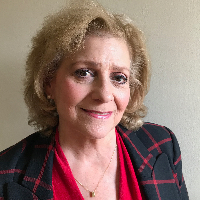
Pennsylvania · 21 yrs exp
Experienced counselor focused on practical change
Stress, Anxiety · Relationship · Family · Self esteem · +12 more
Read profile
Wisconsin · 11 yrs exp
Practical, warm counseling for anxiety and life change
Stress, Anxiety · Family · Trauma and abuse · Depression · +12 more
Read profile
Mississippi · 9 yrs exp
Compassionate, practical counseling for everyday life
Stress, Anxiety · Trauma and abuse · Parenting · Anger · +13 more
Read profile
Tennessee · 35 yrs exp
Compassionate guidance for anxiety and life changes
Stress, Anxiety · Grief · Self esteem · Depression · +8 more
Read profile
Kansas · 25 yrs exp
Experienced counselor focused on practical progress
Stress, Anxiety · Self esteem · Career · Depression · +11 more
Read profile
Louisiana · 25 yrs exp
Practical, experienced LCSW for anxiety support
Stress, Anxiety · Family · Anger · Self esteem · +1 more
Read profile
New York · 13 yrs exp
Calm, practical help for anxiety and stress
Stress, Anxiety · Self esteem · Depression · Coping with life changes · +8 more
Read profile
Michigan · 5 yrs exp
Experienced LMSW focused on practical change
Stress, Anxiety · Addictions · Relationship · Family · +1 more
Read profile
Texas · 14 yrs exp
Calm, practical support for anxiety and stress
Stress, Anxiety · Anger · Depression · ADHD · +7 more
Read profile
Missouri · 23 yrs exp
Compassionate counselor for anxiety and life changes
Stress, Anxiety · Relationship · Trauma and abuse · Depression · +9 more
Read profile
Wisconsin · 18 yrs exp
Practical, compassionate help for anxiety and life changes
Stress, Anxiety · Parenting · Self esteem · Depression · +11 more
Read profile
Texas · 8 yrs exp
Mental health care with practical focus
Stress, Anxiety · Addictions · Trauma and abuse · Self esteem · +11 more
Read profile
New Jersey · 25 yrs exp
Calm, practical support for everyday struggles
Stress, Anxiety · Family · Anger · Self esteem · +1 more
Read profile
Louisiana · 20 yrs exp
Calm guidance with practical tools
Stress, Anxiety · Family · Parenting · Anger · +9 more
Read profile
Pennsylvania · 40 yrs exp
Counselor focused on practical change
Relationship · Family · Parenting · Anger · +1 more
Read profile
North Carolina · 12 yrs exp
Compassionate practical help for anxiety and life change
Stress, Anxiety · Relationship · Parenting · Depression · +9 more
Read profile
Oklahoma · 30 yrs exp
Calm support for anxiety and life's challenges
Stress, Anxiety · Family · Trauma and abuse · Grief · +6 more
Read profile
New York · 28 yrs exp
Experienced, faith-informed counselor focused on practical change
Stress, Anxiety · Family · Grief · Depression · +4 more
Read profile
Minnesota · 3 yrs exp
Thoughtful support for anxiety and life stress
Stress, Anxiety · Addictions · Relationship · Trauma and abuse · +8 more
Read profile
Ohio · 25 yrs exp
Experienced Ohio LISW working calmly with anxiety
Stress, Anxiety · Addictions · Relationship · Family · +1 more
Read profileWhen panic attacks or persistent anxiety touch family life, you may notice changes in how people relate, communicate, and cope. A panic attack can feel like a racing heart, breathlessness, dizziness, or an intense urge to avoid situations that feel unsafe. These responses can shape daily routines, social plans, and conversations between partners, parents and children, or extended family members. You might find family members stepping into caregiver roles, offering reassurance, or withdrawing because they feel unsure how to help. Those patterns can be tiring and can influence how everyone manages stress.
It is important to remember that physical symptoms such as chest pain or any new or worrying changes should be checked by a doctor first. Online talk therapy is not emergency or medical care and is not a substitute for urgent treatment when it is needed. When you look at profiles, think about the practical ways a therapist might help you navigate family interactions around anxiety and panic without assuming they will change symptoms completely or quickly. The goal of family-focused work is often to improve communication, clarify roles, and reduce patterns that inadvertently increase stress for someone who experiences panic.
Having Family listed as a focus does not guarantee that a therapist treats all family configurations or that they work with children, couples, or entire family systems. For some clinicians it signals experience helping relatives coordinate care, build routines that reduce triggers, or support a family member who has panic experiences. For others it means they consult with caregivers about boundaries, safety plans, or strategies for responding when anxiety rises. You should approach the label as a starting point for questions rather than a fixed promise about services.
Family concerns can involve practical issues such as caregiving duties, changes in parenting, or shifts in household responsibilities. They can also involve deeper patterns like conflict, avoidance, and attachment issues that influence how someone experiences panic. When comparing profiles, look for indications that a therapist articulates who they typically work with and what kinds of family dynamics they address. That will help you determine whether their approach lines up with your situation and the degree of family involvement you want.
Before contacting someone, it helps to have specific questions ready so you can compare how different therapists describe their work. Ask whether the clinician has worked with families where a member experiences panic attacks and what ages they typically see. Request examples of how they balance supporting a family while attending to the needs of the person who experiences panic. You might ask how they handle moments of acute distress and whether they have experience coordinating with medical providers when physical symptoms arise.
When therapists list particular approaches, such as CBT, acceptance-based work, family systems, or EMDR among their approaches, ask them to describe how they use those ideas in practice and how they adapt them to family contexts. Phrase questions so you hear about fit rather than credentials alone. Ask about languages spoken and whether they have experience with cultural concerns relevant to your family. Concrete comparison questions could include - Do you work with whole family sessions, separate caregiver sessions, or a mix? How do you involve family members in safety planning? What should a family member expect when supporting someone after a panic attack?
If you plan to use online talk therapy, take time to clarify practical and safety-related topics ahead of time. Discuss how the therapist prefers to handle situations when someone reports severe physical symptoms or thoughts of harm, and whether they will suggest contacting a medical professional or emergency services in those cases. Make sure you know what to do if technology fails in the middle of a meeting and who to contact at the listed location if there is an urgent concern tied to physical health.
Talk about boundaries and communication preferences for family members who may join sessions or check in between meetings. Decide whether family members will be involved in the same sessions or meet separately. Clarify expectations about information-sharing boundaries and how information is shared within the family, and ask how the therapist documents family agreements. Remember that online talk therapy is not emergency care, and a therapist cannot provide medical interventions through a video platform; if there are medical questions, a doctor is the right place to start.
Profiles give you a snapshot of what a clinician highlights, but the language used in a profile is not a guarantee of services. Compare how therapists describe related focus areas and whether panic attacks, general anxiety, and Family appear together in ways that match your needs. Look for details about populations served, for example whether they describe working with adolescents, adults, or older adults, and ask whether that aligns with the person who needs support.
Pay attention to credentials and academic degrees as separate pieces of information. Academic degrees such as PhD, PsyD, MD, MA, or MSW indicate the kind of training someone completed, while professional permission to practice differs across countries. In the United States this permission is typically tied to state licenses; in the United Kingdom and Australia people may list professional registrations or memberships. A degree alone does not establish current permission to practice. When comparing profiles, you may ask clinicians how they are regulated in the country shown on their profile and what that means for professional oversight.
Consider language and cultural background as part of fit. If a therapist lists proficiency in a language you or your family members use, ask whether they conduct therapy in that language or use interpretation. Think about communication style too - some clinicians describe a more collaborative, skills-focused way of working while others emphasize exploration and emotional processing. When profiles list particular approaches, remember that you can ask how those approaches are used with families and panic-related concerns rather than assuming any single approach is applied in every case.
Choosing someone to contact starts with matching what you need to what a profile indicates, and then using direct questions to confirm fit. Whether you are looking for strategies to reduce avoidance, support for a partner who experiences panic, or guidance in managing caregiving roles, use the profile to narrow possibilities and use conversation to make the final assessment. If you are ever unsure whether a profile matches your needs, reaching out with a few targeted questions can clarify how a clinician might work with your family and with panic and anxiety concerns.
Alabama
47 therapists
Alaska
5 therapists
Arizona
46 therapists
Arkansas
27 therapists
Australia
108 therapists
California
286 therapists
Colorado
54 therapists
Connecticut
36 therapists
Delaware
5 therapists
District of Columbia
9 therapists
Florida
189 therapists
Georgia
51 therapists
Hawaii
8 therapists
Idaho
15 therapists
Illinois
116 therapists
Indiana
57 therapists
Iowa
20 therapists
Kansas
25 therapists
Kentucky
46 therapists
Louisiana
50 therapists
Maine
20 therapists
Maryland
46 therapists
Massachusetts
66 therapists
Michigan
136 therapists
Minnesota
37 therapists
Mississippi
29 therapists
Missouri
83 therapists
Montana
20 therapists
Nebraska
19 therapists
Nevada
16 therapists
New Hampshire
12 therapists
New Jersey
93 therapists
New Mexico
13 therapists
New York
248 therapists
North Carolina
75 therapists
North Dakota
4 therapists
Ohio
107 therapists
Oklahoma
47 therapists
Oregon
16 therapists
Pennsylvania
138 therapists
Rhode Island
5 therapists
South Carolina
39 therapists
South Dakota
8 therapists
Tennessee
50 therapists
Texas
355 therapists
United Kingdom
726 therapists
Utah
23 therapists
Vermont
15 therapists
Virginia
52 therapists
Washington
38 therapists
West Virginia
7 therapists
Wisconsin
41 therapists
Wyoming
13 therapists