
Sahra Robinson
LCSWNew York · 24 yrs exp
Compassionate care with practical strategies
Stress, Anxiety · Relationship · Anger · Self esteem · +12 more
Read profileTherapists in the United States, United Kingdom and Australia
Need help right now?Therapist listings are provided by BetterHelp. We will earn a commission at no additional cost to you if you use our links to purchase.
Use the profiles below to compare therapists who list Sleeping Disorders, anxiety and panic attacks among their focus areas. Browse listed locations, approaches, credentials and languages to find professionals whose background may match your needs.
New York · 24 yrs exp
Compassionate care with practical strategies
Stress, Anxiety · Relationship · Anger · Self esteem · +12 more
Read profile
Texas · 8 yrs exp
Practical, goal-focused counseling for everyday struggles
Stress, Anxiety · Grief · Self esteem · Career · +11 more
Read profile
Illinois · 34 yrs exp
Experienced LCPC blending skills and compassion
Stress, Anxiety · Relationship · Grief · Self esteem · +11 more
Read profile
Illinois · 39 yrs exp
Calm, practical support for daily struggles
Stress, Anxiety · Relationship · Grief · Sleeping · +1 more
Read profile
Oklahoma · 30 yrs exp
Calm support for anxiety and life's challenges
Stress, Anxiety · Family · Trauma and abuse · Grief · +6 more
Read profile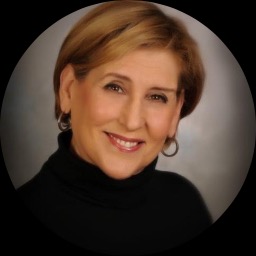
Michigan · 33 yrs exp
Experienced Michigan psychologist for anxiety
Stress, Anxiety · Parenting · Coping with life changes · Addictions · +7 more
Read profile
Michigan · 20 yrs exp
Practical therapy for anxiety and life change
Stress, Anxiety · Addictions · Bipolar · Depression · +13 more
Read profile
Louisiana · 30 yrs exp
Compassionate therapist focused on practical change
Family · Grief · Anger · Self esteem · +11 more
Read profile
United Kingdom · 4 yrs exp
Healing through a trusted therapeutic relationship
Stress, Anxiety · Relationship · Trauma and abuse · Grief · +12 more
Read profile
South Dakota · 12 yrs exp
Direct, practical help for anxiety and addiction
Addictions · Trauma and abuse · Anger · Depression · +8 more
Read profile
United Kingdom · 7 yrs exp
Practical therapy for anxious thinking and values-led living
Stress, Anxiety · Addictions · Relationship · Depression · +11 more
Read profile
Missouri · 25 yrs exp
Calm, practical support for panic and anxiety
Stress, Anxiety · Relationship · Trauma and abuse · Grief · +11 more
Read profile
Arizona · 20 yrs exp
Practical, experienced counselor focused on growth
Stress, Anxiety · Addictions · Relationship · Family · +16 more
Read profile
United Kingdom · 20 yrs exp
Compassionate counsellor for anxiety and life changes
Stress, Anxiety · Relationship · Anger · Self esteem · +11 more
Read profile
United Kingdom · 9 yrs exp
Calm, practical help for anxiety and life change
Stress, Anxiety · Grief · Parenting · Self esteem · +7 more
Read profile
United Kingdom · 7 yrs exp
Calm counselling for life and relationships
Relationship · Trauma and abuse · Grief · Self esteem · +12 more
Read profile
United Kingdom · 8 yrs exp
Practical CBT with a client-centred focus
Stress, Anxiety · Self esteem · Depression · LGBT · +4 more
Read profile
United Kingdom · 11 yrs exp
Understanding listening that helps people move forward
Stress, Anxiety · Relationship · Trauma and abuse · Grief · +14 more
Read profile
Massachusetts · 22 yrs exp
Calm, practical care for anxiety and life change
Family · Trauma and abuse · Parenting · Bipolar · +14 more
Read profile
United Kingdom · 11 yrs exp
Calm, practical help for overwhelming anxiety
Stress, Anxiety · Grief · Self esteem · Depression · +8 more
Read profile
United Kingdom · 7 yrs exp
Calm support for anxiety and life changes
Stress, Anxiety · Grief · Self esteem · Depression · +12 more
Read profile
United Kingdom · 7 yrs exp
Experienced humanistic counsellor for anxiety and life changes
Stress, Anxiety · Relationship · Trauma and abuse · Grief · +14 more
Read profile
United Kingdom · 4 yrs exp
Gentle, collaborative therapy for anxiety
Stress, Anxiety · Relationship · Self esteem · Depression · +12 more
Read profile
Ohio · 6 yrs exp
Compassionate support for anxiety and life changes
Stress, Anxiety · Relationship · Grief · Depression · +15 more
Read profileIf you struggle with anxiety or panic attacks, sleep can feel fragile and unpredictable. You might wake with a racing heart or breathlessness, find it hard to fall back asleep after a nighttime episode, or spend hours worrying about whether a night will be interrupted. Some people describe lying awake with a heightened sense of alertness, watching for the next sign of distress. Others report avoidance - delaying bedtime or changing routines to try to prevent sleepless nights. These are common experiences and they can feel very isolating.
Physical sensations that happen at night can be alarming. Chest pain or any new, severe physical symptom should be checked by a doctor before you assume it is related to anxiety. Online talk therapy is not emergency medical care, and if you are in immediate danger or have severe symptoms, contact local emergency services or reach out to an urgent medical provider. When you do speak with a therapist through this directory, you can discuss how those nighttime symptoms affect your sleep and daily functioning so you both have a clear picture of what to address.
Sleeping Disorders and anxiety symptoms often occur at the same time, but one does not always cause the other. For some people, poor sleep can heighten daytime anxiety and make it harder to manage stress. For others, frequent panic symptoms or chronic worry may disrupt sleep, creating a pattern of fragmented rest and daytime fatigue. You may experience panic-like sensations that wake you from sleep, or you may notice that when you are very tired, your tolerance for stress is lower and your anxiety symptoms feel amplified.
Because the relationship can vary from person to person, assessment matters. A therapist can help you describe the timing and pattern of your symptoms - whether panic sensations are mainly nocturnal, whether insomnia is longstanding, and how avoidance behaviors affect your routines. Therapists who list Sleeping Disorders among their focus areas may also note anxiety and panic as related concerns in their profiles. That listing indicates an area they work with, but it is not the same as a formal medical diagnosis or a guarantee of particular outcomes. You can use profiles to find professionals who mention the issues you experience and then ask specific questions about how they approach overlapping sleep and anxiety concerns.
When you review profiles, it helps to have concrete questions ready so you can compare approaches and experience. You might ask whether the therapist lists particular sleep-focused approaches among their methods, such as Cognitive Behavioral Therapy for Insomnia, while remembering to phrase it as therapists who list CBT-I among their approaches. You can also ask about work with panic or anxiety, phrasing it as experience with panic disorder or panic attacks rather than assuming a certain certification. Ask how they typically address nighttime panic versus daytime anxiety, what kinds of strategies they might discuss early in work together, and whether they collaborate with medical prescribers when medication is part of a person’s care plan.
Licensing and registration are another important area to clarify. In the United States, professionals typically practice under state licenses; you can ask what license the person holds and in which state it is valid. In the United Kingdom and Australia, clinicians may be registered with national regulators or be members of professional associations; you can ask whether they list registration or membership in their profile and what that means for practice in your listed location. Also ask about academic credentials - degrees such as PhD, PsyD, MD, MA or MSW indicate areas of study, but a degree alone does not establish current permission to practice. Ask for the combination of degree and the credential that authorizes practice where you are seeking care.
Before you begin sessions, having a clear conversation about practical and safety-related topics helps you feel prepared. Discuss how the therapist handles urgent concerns and what steps they expect you to take if you experience a crisis outside of session hours, because talk therapy is not a substitute for emergency medical services. Clarify whether they are willing to coordinate with other health professionals you see, such as a primary care doctor or psychiatrist, and how they manage communication while protecting your personal information. Describe any medications you take and recent medical checks, and mention if chest pain or new physical symptoms have been evaluated by a doctor.
It is also useful to set expectations about session focus and homework. You can ask whether they often use sleep tracking or sleep diaries, whether relaxation or breathing exercises are commonly discussed, and how they measure progress in sleep or anxiety-related goals. If you are considering online sessions, ask how they address situations when someone is very distressed during a remote appointment and what local resources they recommend. Being upfront about your schedule, your sleep patterns, and any caregiving or work obligations helps both of you plan realistic approaches.
Profiles on this page are a starting point to narrow down therapists who note Sleeping Disorders alongside anxiety and panic attacks in their listed focus areas. When you compare profiles, look for the specific language used: does the profile mention insomnia, circadian rhythm issues, or night panic? Does it explicitly mention panic attacks or panic disorder as additional focus areas? Checking the approaches a therapist lists gives you conversation starters - for example, therapists who list mindfulness-based strategies or cognitive behavioral methods among their approaches may use those frameworks, but you should ask how they apply those approaches to your concerns rather than assuming any single method is used in every case.
Consider the credentials and regulatory context shown in profiles. Note the degrees the clinician lists and whether they also indicate a license, registration or professional membership relevant to your listed location. Look at the languages spoken, any notes about cultural or life-stage experience, and the therapist’s described style - whether they emphasize practical skills, exploratory work, or a blend. Remember that listing a topic does not indicate the clinician treats children, couples or families; if that matters to you, ask directly. Use the profiles to form a shortlist of professionals who describe backgrounds and approaches that resonate with you, then reach out with a few focused questions so you can decide who to speak with first.
Finding help for sleep issues when you also have anxiety or panic attacks can feel overwhelming, but taking small steps - focusing on clear descriptions, practical questions and the regulatory context for your listed location - helps you make informed choices. Browse profiles to see how clinicians present their focus areas and approaches, and use the comparisons suggested here to guide your conversations with potential therapists.
Alabama
47 therapists
Alaska
5 therapists
Arizona
46 therapists
Arkansas
27 therapists
Australia
108 therapists
California
286 therapists
Colorado
54 therapists
Connecticut
36 therapists
Delaware
5 therapists
District of Columbia
9 therapists
Florida
189 therapists
Georgia
51 therapists
Hawaii
8 therapists
Idaho
15 therapists
Illinois
116 therapists
Indiana
57 therapists
Iowa
20 therapists
Kansas
25 therapists
Kentucky
46 therapists
Louisiana
50 therapists
Maine
20 therapists
Maryland
46 therapists
Massachusetts
66 therapists
Michigan
136 therapists
Minnesota
37 therapists
Mississippi
29 therapists
Missouri
83 therapists
Montana
20 therapists
Nebraska
19 therapists
Nevada
16 therapists
New Hampshire
12 therapists
New Jersey
93 therapists
New Mexico
13 therapists
New York
248 therapists
North Carolina
75 therapists
North Dakota
4 therapists
Ohio
107 therapists
Oklahoma
47 therapists
Oregon
16 therapists
Pennsylvania
138 therapists
Rhode Island
5 therapists
South Carolina
39 therapists
South Dakota
8 therapists
Tennessee
50 therapists
Texas
355 therapists
United Kingdom
726 therapists
Utah
23 therapists
Vermont
15 therapists
Virginia
52 therapists
Washington
38 therapists
West Virginia
7 therapists
Wisconsin
41 therapists
Wyoming
13 therapists