
Sahra Robinson
LCSWNew York · 24 yrs exp
Compassionate care with practical strategies
Stress, Anxiety · Relationship · Anger · Self esteem · +12 more
Read profileTherapists in the United States, United Kingdom and Australia
Need help right now?Therapist listings are provided by BetterHelp. We will earn a commission at no additional cost to you if you use our links to purchase.
You can compare therapists who list Grief among their focus areas and who also work with panic attacks and anxiety. Use the profiles on this page to review approaches, professional credentials, spoken languages, and listed location before you decide who to contact.
New York · 24 yrs exp
Compassionate care with practical strategies
Stress, Anxiety · Relationship · Anger · Self esteem · +12 more
Read profile
Illinois · 25 yrs exp
Calm, experienced LCSW guiding practical change
Stress, Anxiety · Relationship · Grief · Depression · +10 more
Read profile
Michigan · 45 yrs exp
Practical support for panic and anxiety recovery
Stress, Anxiety · Addictions · Trauma and abuse · Grief · +10 more
Read profile
Texas · 8 yrs exp
Practical, goal-focused counseling for everyday struggles
Stress, Anxiety · Grief · Self esteem · Career · +11 more
Read profile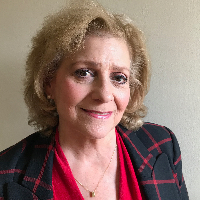
Pennsylvania · 21 yrs exp
Experienced counselor focused on practical change
Stress, Anxiety · Relationship · Family · Self esteem · +12 more
Read profile
Wisconsin · 11 yrs exp
Practical, warm counseling for anxiety and life change
Stress, Anxiety · Family · Trauma and abuse · Depression · +12 more
Read profile
Mississippi · 9 yrs exp
Compassionate, practical counseling for everyday life
Stress, Anxiety · Trauma and abuse · Parenting · Anger · +13 more
Read profile
Tennessee · 35 yrs exp
Compassionate guidance for anxiety and life changes
Stress, Anxiety · Grief · Self esteem · Depression · +8 more
Read profile
Kansas · 25 yrs exp
Experienced counselor focused on practical progress
Stress, Anxiety · Self esteem · Career · Depression · +11 more
Read profile
New York · 13 yrs exp
Calm, practical help for anxiety and stress
Stress, Anxiety · Self esteem · Depression · Coping with life changes · +8 more
Read profile
Oregon · 17 yrs exp
Therapist who blends practical skills and empathy
Stress, Anxiety · Trauma and abuse · Grief · Intimacy-related issues · +1 more
Read profile
Michigan · 6 yrs exp
Calm guidance for anxious moments
Stress, Anxiety · Relationship · Self esteem · Depression · +7 more
Read profile
Missouri · 23 yrs exp
Compassionate counselor for anxiety and life changes
Stress, Anxiety · Relationship · Trauma and abuse · Depression · +9 more
Read profile
Wisconsin · 18 yrs exp
Practical, compassionate help for anxiety and life changes
Stress, Anxiety · Parenting · Self esteem · Depression · +11 more
Read profile
Illinois · 34 yrs exp
Experienced LCPC blending skills and compassion
Stress, Anxiety · Relationship · Grief · Self esteem · +11 more
Read profile
Texas · 8 yrs exp
Mental health care with practical focus
Stress, Anxiety · Addictions · Trauma and abuse · Self esteem · +11 more
Read profile
Illinois · 39 yrs exp
Calm, practical support for daily struggles
Stress, Anxiety · Relationship · Grief · Sleeping · +1 more
Read profile
Utah · 30 yrs exp
Experienced social worker focused on practical healing
Stress, Anxiety · Trauma and abuse · Grief · Anger · +1 more
Read profile
Louisiana · 20 yrs exp
Calm guidance with practical tools
Stress, Anxiety · Family · Parenting · Anger · +9 more
Read profile
North Carolina · 12 yrs exp
Compassionate practical help for anxiety and life change
Stress, Anxiety · Relationship · Parenting · Depression · +9 more
Read profile
Oklahoma · 30 yrs exp
Calm support for anxiety and life's challenges
Stress, Anxiety · Family · Trauma and abuse · Grief · +6 more
Read profile
New York · 28 yrs exp
Experienced, faith-informed counselor focused on practical change
Stress, Anxiety · Family · Grief · Depression · +4 more
Read profile
Minnesota · 3 yrs exp
Thoughtful support for anxiety and life stress
Stress, Anxiety · Addictions · Relationship · Trauma and abuse · +8 more
Read profile
North Carolina · 20 yrs exp
Practical, collaborative care for anxiety and panic
Stress, Anxiety · Addictions · Trauma and abuse · Grief · +1 more
Read profileIf you live with panic attacks or the fear of another one, grief can add an extra layer of intensity to what you already experience. You might notice a racing heart, breathlessness, a sense of being on edge, or a growing urge to avoid places or activities that feel likely to trigger strong reactions. Those responses can make everyday routines harder to manage while you are also coping with loss. You may find your attention pulled between memories and the physical sensations that accompany anxious moments, and that tension can feel exhausting.
Grief itself shows up in many ways - sadness, anger, numbness, trouble sleeping, and changes in appetite are common. If you are experiencing new or severe chest pain, fainting, pronounced shortness of breath, or other sudden physical symptoms, check with a doctor first. Online talk therapy is not emergency or medical care, and urgent physical symptoms should be evaluated by a clinician who can rule out immediate medical causes.
When you read profiles on this page, you will see how different practitioners describe working with grief and related anxiety. Those descriptions can help you identify people who speak directly to the aspects of loss and panic you are facing, whether that is coping with reminders, navigating anniversaries, or addressing avoidance that developed after a startling episode.
Grief and panic attacks can coexist, but one does not automatically cause the other. For some people, an experience of loss can change daily rhythms or increase stress, and that change may coincide with more frequent anxiety or panic. For others, panic attacks may have started before a loss and grief simply becomes another challenge to manage alongside anxiety. You will find profiles here that reflect a range of perspectives about how these issues interact.
When you look at a therapist profile, they may describe the kinds of situations they work with and the emotional responses people bring. Many profiles on SteadyBreath.org also list panic attacks or anxiety among their additional focus areas; that listing indicates an interest or experience addressing these concerns but does not prove any specific certification. Your experience is unique, and a conversation with a therapist can clarify how they understand the relationship between your grief and anxiety without assuming one explanation fits everyone.
It can be helpful to focus on practical patterns - for example, whether you notice certain triggers, how often intense reactions arise, and whether avoidance has narrowed your day-to-day life. Those concrete observations will help you and a prospective therapist talk about strategies that fit your situation rather than relying on generalizations about grief and anxiety.
As you review profiles, think about the specific questions that matter to you. You might ask whether the therapist lists experience working with adults who have panic attacks or whether they describe working with grief after particular kinds of loss. Ask how they describe their approach - some therapists list cognitive-behavioral approaches, others mention emotion-focused or somatic-informed ways of working, and some list modalities such as EMDR among their approaches. Remember that a listing of an approach on a profile is not evidence of certification, only that the therapist mentions it as part of their practice.
Consider asking how a therapist typically helps people manage intense physical symptoms like a racing heart or breathlessness during sessions. You can ask whether they discuss grounding techniques, breathing strategies, or ways to approach avoidance - and how they integrate work on grief with skills for handling acute anxiety. You may also want to know what kinds of clients they commonly see in terms of age, cultural background, or life situation, and whether they have experience with grief related to illness, sudden loss, or long-term caregiving.
Concrete questions can clarify fit: Do they work with people who experience frequent panic attacks? How do they describe the balance between exploring emotions and teaching coping strategies? What languages do they speak? How do they incorporate your preferences and values into their plans? These kinds of questions help you compare profiles on substance rather than relying on general impressions.
If you plan to connect remotely, bring up practical and safety topics before the first session. Ask how the therapist handles urgent concerns that might arise between sessions and what local resources they recommend if you need emergency help in your listed location. Confirm whether they work with people in your country and, if relevant, the specific states or regions they list, since professional authorization varies by place. In the United States, a license typically indicates current permission to practice in a state; in the United Kingdom and Australia, profiles may reference registration or professional membership rather than a single license. An academic degree such as PhD, PsyD, MD, MA, or MSW shows the kind of training someone pursued, but a degree alone does not establish permission to practice.
Talk about session format preferences and practicalities - do you prefer shorter check-ins or longer sessions, do you want a therapist who emphasizes skills practice, or someone who focuses more on exploring meaning and loss? You can also ask how they approach technology, what platform they use, and what to do if you lose connection during a session. It is reasonable to clarify whether they see people in-person in their listed location or work remotely across regions, and to discuss any accessibility needs you have so you can participate fully.
Finally, discuss safety planning. If panic attacks or intense distress are a frequent concern for you, ask how the therapist collaborates on immediate coping steps and longer-term plans. That conversation can give you a clearer sense of how they handle moments of high anxiety and how they help you build supports outside sessions.
When you browse profiles, pay attention to several concrete elements that help you compare candidates. Look for the focus areas listed on the profile to see whether grief appears alongside anxiety, panic attacks, trauma, or relationship concerns. Note the ways a therapist describes their work - some will emphasize evidence-based strategies, others will highlight narrative or meaning-focused work, and others will mention body-focused or somatic-informed approaches. Those descriptions are invitations to ask more about how each approach would be used with your concerns.
Languages spoken are an important factor if you prefer to talk in a language other than English. Profiles that list additional languages can make it easier to find someone who communicates in your preferred tongue and who may be familiar with cultural perspectives that matter to you. Credentials matter too, but read them carefully: a degree like PhD or MSW describes academic training, while licensing, registration, or professional membership indicates the regulatory or professional context in which a therapist practices. In the United States, look for state licenses; in the UK and Australia, look for registration or recognized professional bodies. A listed credential helps you know what to ask about, but it is not a guarantee of any specific outcome.
Your sense of a therapist's style is also relevant. Some profiles include language about being more directive and skill-focused, while others describe a reflective, exploratory style. Think about whether you want someone who will coach you through exercises for panic symptoms or someone who will spend more time exploring the emotions and meaning around your loss. Both approaches have value depending on your needs, and you can ask how a therapist might combine elements to match what you want to work on.
Comparing profiles with these concrete questions in mind will help you identify a few people to reach out to. When you contact a therapist, you can bring the specific concerns you have noted - the frequency of panic-like episodes, the kinds of losses you are grieving, and what has or has not helped in the past - so the first conversation is focused and useful. That exchange will give you the clearest sense of whether their way of working fits what you are seeking at this time.
Alabama
47 therapists
Alaska
5 therapists
Arizona
46 therapists
Arkansas
27 therapists
Australia
108 therapists
California
286 therapists
Colorado
54 therapists
Connecticut
36 therapists
Delaware
5 therapists
District of Columbia
9 therapists
Florida
189 therapists
Georgia
51 therapists
Hawaii
8 therapists
Idaho
15 therapists
Illinois
116 therapists
Indiana
57 therapists
Iowa
20 therapists
Kansas
25 therapists
Kentucky
46 therapists
Louisiana
50 therapists
Maine
20 therapists
Maryland
46 therapists
Massachusetts
66 therapists
Michigan
136 therapists
Minnesota
37 therapists
Mississippi
29 therapists
Missouri
83 therapists
Montana
20 therapists
Nebraska
19 therapists
Nevada
16 therapists
New Hampshire
12 therapists
New Jersey
93 therapists
New Mexico
13 therapists
New York
248 therapists
North Carolina
75 therapists
North Dakota
4 therapists
Ohio
107 therapists
Oklahoma
47 therapists
Oregon
16 therapists
Pennsylvania
138 therapists
Rhode Island
5 therapists
South Carolina
39 therapists
South Dakota
8 therapists
Tennessee
50 therapists
Texas
355 therapists
United Kingdom
726 therapists
Utah
23 therapists
Vermont
15 therapists
Virginia
52 therapists
Washington
38 therapists
West Virginia
7 therapists
Wisconsin
41 therapists
Wyoming
13 therapists