
Sahra Robinson
LCSWNew York · 24 yrs exp
Compassionate care with practical strategies
Stress, Anxiety · Relationship · Anger · Self esteem · +12 more
Read profileTherapists in the United States, United Kingdom and Australia
Need help right now?Therapist listings are provided by BetterHelp. We will earn a commission at no additional cost to you if you use our links to purchase.
This page groups profiles that list Communication Problems as a specialty or additional focus area alongside anxiety and panic attacks. Compare approaches, languages, listed location, degrees and professional credentials, then browse profiles to learn more.
New York · 24 yrs exp
Compassionate care with practical strategies
Stress, Anxiety · Relationship · Anger · Self esteem · +12 more
Read profile
Illinois · 25 yrs exp
Calm, experienced LCSW guiding practical change
Stress, Anxiety · Relationship · Grief · Depression · +10 more
Read profile
Michigan · 35 yrs exp
Practical, compassionate help for anxiety and life change
Stress, Anxiety · Addictions · Trauma and abuse · Self esteem · +3 more
Read profile
Pennsylvania · 21 yrs exp
Experienced counselor focused on practical change
Stress, Anxiety · Relationship · Family · Self esteem · +12 more
Read profile
Wisconsin · 11 yrs exp
Practical, warm counseling for anxiety and life change
Stress, Anxiety · Family · Trauma and abuse · Depression · +12 more
Read profile
Tennessee · 35 yrs exp
Compassionate guidance for anxiety and life changes
Stress, Anxiety · Grief · Self esteem · Depression · +8 more
Read profile
Kansas · 25 yrs exp
Experienced counselor focused on practical progress
Stress, Anxiety · Self esteem · Career · Depression · +11 more
Read profile
Louisiana · 25 yrs exp
Practical, experienced LCSW for anxiety support
Stress, Anxiety · Family · Anger · Self esteem · +1 more
Read profile
New York · 13 yrs exp
Calm, practical help for anxiety and stress
Stress, Anxiety · Self esteem · Depression · Coping with life changes · +8 more
Read profile
Oregon · 17 yrs exp
Therapist who blends practical skills and empathy
Stress, Anxiety · Trauma and abuse · Grief · Intimacy-related issues · +1 more
Read profile
New York · 18 yrs exp
Calm-focused counselor for anxiety and life stress
Stress, Anxiety · Relationship · Parenting · Anger · +1 more
Read profile
Michigan · 5 yrs exp
Experienced LMSW focused on practical change
Stress, Anxiety · Addictions · Relationship · Family · +1 more
Read profile
Texas · 14 yrs exp
Calm, practical support for anxiety and stress
Stress, Anxiety · Anger · Depression · ADHD · +7 more
Read profile
Michigan · 6 yrs exp
Calm guidance for anxious moments
Stress, Anxiety · Relationship · Self esteem · Depression · +7 more
Read profile
Georgia · 11 yrs exp
Support focused on practical change
Addictions · Relationship · Trauma and abuse · Bipolar · +1 more
Read profile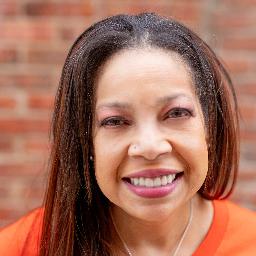
Missouri · 23 yrs exp
Compassionate counselor for anxiety and life changes
Stress, Anxiety · Relationship · Trauma and abuse · Depression · +9 more
Read profile
Wisconsin · 18 yrs exp
Practical, compassionate help for anxiety and life changes
Stress, Anxiety · Parenting · Self esteem · Depression · +11 more
Read profile
Missouri · 22 yrs exp
Compassionate counselor for anxiety and mood
Stress, Anxiety · Addictions · Self esteem · Bipolar · +1 more
Read profile
Illinois · 34 yrs exp
Experienced LCPC blending skills and compassion
Stress, Anxiety · Relationship · Grief · Self esteem · +11 more
Read profile
North Carolina · 10 yrs exp
Calm support for anxiety and panic
Stress, Anxiety · Trauma and abuse · Self esteem · Depression · +1 more
Read profile
Illinois · 39 yrs exp
Calm, practical support for daily struggles
Stress, Anxiety · Relationship · Grief · Sleeping · +1 more
Read profile
New Jersey · 25 yrs exp
Calm, practical support for everyday struggles
Stress, Anxiety · Family · Anger · Self esteem · +1 more
Read profile
Utah · 30 yrs exp
Experienced social worker focused on practical healing
Stress, Anxiety · Trauma and abuse · Grief · Anger · +1 more
Read profile
Massachusetts · 30 yrs exp
Calm, practical support for anxiety and life strain
Stress, Anxiety · Addictions · Relationship · Trauma and abuse · +1 more
Read profileIf you live with panic attacks or the ongoing fear of another episode, issues with communication can be part of what you notice. You might find it harder to express how you are feeling, avoid conversations that feel emotionally charged, or feel misunderstood after an attack. Conversely, repeated miscommunications at work or at home can increase stress and make anxiety feel more intense. It is important to note that listing both Communication Problems and panic attacks on a profile does not imply one causes the other. Profiles in this directory group practitioners who indicate both areas of focus so you can look for clinicians who name these concerns.
When you read profiles, look for language that reflects how the therapist frames the overlap - whether they describe helping people manage panic symptoms that arise in social or interpersonal contexts, or whether they emphasise skills for clearer expression and boundary setting alongside anxiety management. That difference in emphasis can help you choose whom to contact for an initial conversation. If you experience new chest pain, fainting, a sudden change in consciousness or another worrying physical sign, check those symptoms with a doctor first. Online talk therapy is not emergency or medical care.
Panic attacks often include a racing heart, breathlessness, dizziness, trembling, or a sense of being overwhelmed. You might also notice physical sensations that feel alarming but are not explained here. Communication problems can present as difficulty finding words when you feel distressed, withdrawing from conversations to avoid escalation, or repeatedly apologising for things you did not intend. These experiences can feed on each other - for example, avoiding conversations to prevent panic can increase isolation, while repeated misunderstandings can heighten anticipatory anxiety.
When you consider a therapist, pay attention to how they describe working with physical sensations, breath-focused strategies, or de-escalation in interpersonal settings. Profiles often note whether a clinician lists panic attacks, panic disorder or anxiety among their additional focus areas. That is information to discuss further rather than proof of a particular qualification. You should not expect a profile to replace medical advice; if a physical symptom is new or severe, seek a medical evaluation before pursuing therapy as your only step.
Before you reach out, prepare a few concrete questions to compare how clinicians approach communication problems and panic. Ask how they describe integrating work on panic symptoms with communication skills - for example, whether they focus on role practice, breath and grounding techniques during difficult conversations, or cognitive strategies for unhelpful thoughts that arise in interpersonal moments. You can ask which approaches they list among their methods, such as cognitive-behavioural approaches, acceptance-based work, psychodynamic perspectives, or therapies that address memory and trauma, understanding that noting an approach on a profile does not indicate formal certification or exclusive use.
Also ask about their experience with people who have similar concerns to yours - whether they have worked with those who experience panic attacks in social settings, with relationship stress that worsens anxiety, or with performance-related panic. Clarify the distinction between academic degrees and permission to practise: degrees like PhD, PsyD, MD, MA, or MSW speak to academic training, while licensure, registration or membership indicate professional standing. In the United States clinicians typically hold a state license; in the United Kingdom and Australia clinicians may be registered with or members of professional bodies. Degree titles alone do not guarantee current permission to practise in your area, so include a question about a clinician's credentialing and jurisdiction if that matters to you.
If you are considering online care, clarify how the clinician handles practical and safety matters. Ask what platforms they use and how they manage records and follow-up, and make sure you understand the limits of care provided remotely. Discuss how they would handle a crisis or if you experienced a panic attack during a session - for example, whether they have a plan for contacting local emergency services or a suggested list of local supports. Remember that online talk therapy is not emergency or medical care, and it cannot replace urgent medical attention when that is needed.
It is also useful to talk about your communication preferences and boundaries during sessions - whether you want to practise conversations in role, receive written summaries after a session, or work toward clearer expression with short homework tasks. Ask how they measure progress and how long they typically work on communication skill-building versus symptom management. These practical details help you gauge whether a clinician's style and structure fit your needs as you manage panic symptoms and work on communication.
When you compare profiles, start with the focus areas that matter most to you. Look for clinicians who list Communication Problems together with panic attacks or anxiety if you want integrated support, and read the short biographies to understand their described emphasis. Pay attention to languages spoken if communicating in your preferred language is important. Profiles will often list the clinician's languages, which can make a meaningful difference when discussing nuanced emotions and reactions.
Examine credentials carefully and distinguish between degrees and professional permissions to practise. A profile may list academic degrees such as PhD, PsyD, MD, MA or MSW and may also indicate licensure, registration or membership in professional organisations appropriate to their country. In the United States this typically appears as a license to practise in a state; in the United Kingdom and Australia you may see reference to registration or membership of recognised professional bodies. Those details help you understand the clinician's formal background, but they do not provide information about outcomes or guarantee a particular therapeutic approach.
Finally, consider therapeutic style and presentation. Some clinicians describe more directive approaches that emphasise skill-building and homework, while others describe reflective or exploratory styles that focus on how past experiences shape current communication. Profiles may also indicate work with specific age groups, cultural perspectives, or workplace-related communication challenges. Use the listed location to determine contextual fit, for example time zones for remote sessions or local understanding for in-person or community-based references. Comparing these elements across profiles helps you form a short list of clinicians whose stated focus areas, approaches, and credentials align with what you are seeking. The next step is a direct conversation with the clinician to ask the practical questions outlined above and to determine whether their way of working feels like a match for you.
Alabama
47 therapists
Alaska
5 therapists
Arizona
46 therapists
Arkansas
27 therapists
Australia
108 therapists
California
286 therapists
Colorado
54 therapists
Connecticut
36 therapists
Delaware
5 therapists
District of Columbia
9 therapists
Florida
189 therapists
Georgia
51 therapists
Hawaii
8 therapists
Idaho
15 therapists
Illinois
116 therapists
Indiana
57 therapists
Iowa
20 therapists
Kansas
25 therapists
Kentucky
46 therapists
Louisiana
50 therapists
Maine
20 therapists
Maryland
46 therapists
Massachusetts
66 therapists
Michigan
136 therapists
Minnesota
37 therapists
Mississippi
29 therapists
Missouri
83 therapists
Montana
20 therapists
Nebraska
19 therapists
Nevada
16 therapists
New Hampshire
12 therapists
New Jersey
93 therapists
New Mexico
13 therapists
New York
248 therapists
North Carolina
75 therapists
North Dakota
4 therapists
Ohio
107 therapists
Oklahoma
47 therapists
Oregon
16 therapists
Pennsylvania
138 therapists
Rhode Island
5 therapists
South Carolina
39 therapists
South Dakota
8 therapists
Tennessee
50 therapists
Texas
355 therapists
United Kingdom
726 therapists
Utah
23 therapists
Vermont
15 therapists
Virginia
52 therapists
Washington
38 therapists
West Virginia
7 therapists
Wisconsin
41 therapists
Wyoming
13 therapists