
Sahra Robinson
LCSWNew York · 24 yrs exp
Compassionate care with practical strategies
Stress, Anxiety · Relationship · Anger · Self esteem · +12 more
Read profileTherapists in the United States, United Kingdom and Australia
Need help right now?Therapist listings are provided by BetterHelp. We will earn a commission at no additional cost to you if you use our links to purchase.
On this page you can compare profiles of therapists who list Control Issues alongside anxiety and panic-related concerns. Use the listed approaches, languages, credentials and listed location to help guide your search, then browse individual profiles to learn more.
New York · 24 yrs exp
Compassionate care with practical strategies
Stress, Anxiety · Relationship · Anger · Self esteem · +12 more
Read profile
Michigan · 45 yrs exp
Practical support for panic and anxiety recovery
Stress, Anxiety · Addictions · Trauma and abuse · Grief · +10 more
Read profile
Michigan · 35 yrs exp
Practical, compassionate help for anxiety and life change
Stress, Anxiety · Addictions · Trauma and abuse · Self esteem · +3 more
Read profile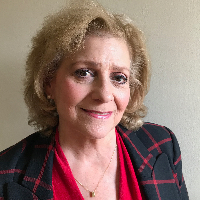
Pennsylvania · 21 yrs exp
Experienced counselor focused on practical change
Stress, Anxiety · Relationship · Family · Self esteem · +12 more
Read profile
Wisconsin · 11 yrs exp
Practical, warm counseling for anxiety and life change
Stress, Anxiety · Family · Trauma and abuse · Depression · +12 more
Read profile
Tennessee · 35 yrs exp
Compassionate guidance for anxiety and life changes
Stress, Anxiety · Grief · Self esteem · Depression · +8 more
Read profile
Kansas · 25 yrs exp
Experienced counselor focused on practical progress
Stress, Anxiety · Self esteem · Career · Depression · +11 more
Read profile
Louisiana · 25 yrs exp
Practical, experienced LCSW for anxiety support
Stress, Anxiety · Family · Anger · Self esteem · +1 more
Read profile
Oregon · 17 yrs exp
Therapist who blends practical skills and empathy
Stress, Anxiety · Trauma and abuse · Grief · Intimacy-related issues · +1 more
Read profile
New York · 18 yrs exp
Calm-focused counselor for anxiety and life stress
Stress, Anxiety · Relationship · Parenting · Anger · +1 more
Read profile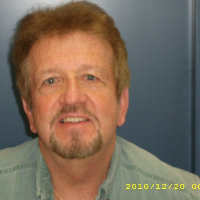
Michigan · 5 yrs exp
Experienced LMSW focused on practical change
Stress, Anxiety · Addictions · Relationship · Family · +1 more
Read profile
Michigan · 6 yrs exp
Calm guidance for anxious moments
Stress, Anxiety · Relationship · Self esteem · Depression · +7 more
Read profile
Wisconsin · 18 yrs exp
Practical, compassionate help for anxiety and life changes
Stress, Anxiety · Parenting · Self esteem · Depression · +11 more
Read profile
Illinois · 34 yrs exp
Experienced LCPC blending skills and compassion
Stress, Anxiety · Relationship · Grief · Self esteem · +11 more
Read profile
Texas · 8 yrs exp
Mental health care with practical focus
Stress, Anxiety · Addictions · Trauma and abuse · Self esteem · +11 more
Read profile
Illinois · 39 yrs exp
Calm, practical support for daily struggles
Stress, Anxiety · Relationship · Grief · Sleeping · +1 more
Read profile
Utah · 30 yrs exp
Experienced social worker focused on practical healing
Stress, Anxiety · Trauma and abuse · Grief · Anger · +1 more
Read profile
Massachusetts · 30 yrs exp
Calm, practical support for anxiety and life strain
Stress, Anxiety · Addictions · Relationship · Trauma and abuse · +1 more
Read profile
Utah · 23 yrs exp
Supportive LCSW for adult anxiety and stress
Stress, Anxiety · Anger · Self esteem · Career · +1 more
Read profile
Pennsylvania · 40 yrs exp
Counselor focused on practical change
Relationship · Family · Parenting · Anger · +1 more
Read profile
North Carolina · 12 yrs exp
Compassionate practical help for anxiety and life change
Stress, Anxiety · Relationship · Parenting · Depression · +9 more
Read profile
Oklahoma · 26 yrs exp
Calm, practical counseling for anxiety and stress
Stress, Anxiety · Addictions · Trauma and abuse · Bipolar · +1 more
Read profile
Oklahoma · 30 yrs exp
Calm support for anxiety and life's challenges
Stress, Anxiety · Family · Trauma and abuse · Grief · +6 more
Read profile
Florida · 18 yrs exp
Compassionate guidance for anxiety and trauma recovery
Addictions · LGBT · Trauma and abuse · Eating
Read profileWhen control is a focus for you, it may show up as a constant worry about whether you can manage situations, a preoccupation with preventing the next panic episode, or rigid efforts to avoid triggers. You might notice a racing heart, breathlessness, a sense of unreality, or a sudden urge to escape a place. Those physical sensations can be frightening and can feed the concern that you might lose control. It is common for people to change routines, steer clear of certain places, or prepare detailed plans to feel safer. This pattern of avoidance and planning can feel necessary in the moment but may also make day-to-day life narrower over time.
Remember that new or severe physical symptoms such as chest pain should be checked by a doctor first. If you are experiencing an emergency, reach out to local emergency services rather than relying on online talk care. Profiles here are meant to help you learn about professionals who list Control Issues and related anxiety among their focus areas, but they do not replace medical evaluation or urgent care.
People vary in how control concerns and panic interact. For some, anxiety about losing control makes anticipatory fear - the worry about having another panic episode - more likely. For others, panic attacks lead to a greater need to plan and control situations in order to feel safe. Either way, you may find that symptoms like a fast heartbeat, shortness of breath, sweating, or avoidance behavior feed each other in a cycle. On this directory page you will see therapists who list panic attacks and anxiety among their additional focus areas; that listing does not imply a formal diagnosis or a single treatment pathway. Use the profiles to look for practitioners who mention working with the kinds of experiences you have, such as managing fear of the next attack, reducing avoidance, or building tolerance for sensations that feel threatening.
Therapy approaches are options to discuss, not guarantees. You will find profiles noting methods such as cognitive behavioral approaches, exposure-based work, mindfulness-informed practices, acceptance-based strategies, or therapists who list EMDR among their approaches. If an approach is listed, it means the therapist has identified it as part of their practice, not that they hold a particular certification. When you read profiles, look for language that matches your comfort with structure, symptom-focused work, or exploration of underlying themes like control and trust.
When you review a profile, consider asking clear, specific questions to see whether a therapist’s way of working fits your needs. Ask how they typically work with control concerns and panic-related anxiety and whether they have experience helping people who struggle with avoidance or intense physical sensations. You can ask what a typical course of work looks like for someone with your concerns, how they balance skill-building and emotional processing, and what kind of homework or practice they recommend between sessions. It is reasonable to ask examples of the types of strategies they use and to request clarification about terms in the profile you do not recognize.
Credentials and professional standing matter in different ways across countries. In the United States you may see references to state licensure; in the United Kingdom professionals may be registered or members of national bodies; in Australia therapists may list registration or membership with professional associations. Academic degrees such as PhD, PsyD, MD, MA, or MSW indicate completed education but do not on their own confirm current permission to practise. Ask the therapist to explain the credentialing language on their profile and the jurisdiction tied to their listed location so you understand what those credentials mean where you live or where they practise.
If you are considering remote sessions, talk with the therapist about how they handle moments when you feel overwhelmed during or between sessions. Ask what steps they suggest if you experience a panic attack while connected online and whether they will help you create a brief safety plan to use in those moments. It is important to be upfront about any medical conditions or medications you are managing so the therapist can consider how best to support you and coordinate care if appropriate.
Discuss the practicalities you care about, such as which communication methods they use, what to expect if a session is interrupted, and how they handle boundaries around contact outside scheduled times. Because online talk care is not emergency medical treatment, agree on local emergency contacts or services you will use if urgent help is needed. Also talk about language preferences and whether the therapist offers sessions in the language you feel most comfortable using, since communicating clearly is often essential when you are feeling anxious.
When you compare profiles, read beyond the headline and look at the combination of focus areas, the ways a therapist describes their therapeutic style, and any languages they list. Focus areas tell you what concerns the therapist commonly mentions, such as control issues, panic attacks, social anxiety, health anxiety, or trauma-related symptoms. Therapeutic style descriptions may indicate a preference for structured skill work, a reflective and relational approach, or a blend of methods. If you prefer clear, measurable exercises, search for profiles that describe skill-based work; if you want space to explore meaning and patterns, look for a narrative or relational emphasis.
Language ability and listed location are practical filters that affect how you connect. Profiles that list multiple languages can be useful if you feel more at ease expressing difficult feelings in a language other than English. The listed location helps you understand where a therapist is licensed, registered, or associated in a particular jurisdiction, which can affect professional regulations and how therapy is conducted across borders. Remember that a listed topic or approach does not establish that a therapist works with children, couples, or families; if your needs include family or couple work, bring that up directly when you contact a therapist.
Finally, consider asking about session structure and what you might expect in early meetings. Concrete questions you can use include asking how they typically begin work with someone who has experienced panic attacks, how they measure progress, and how long they generally spend on skills like breathing regulation, grounding techniques, or graded exposure to feared situations. Clear, direct questions will help you compare how different profiles align with your preferences for pace, style, and focus. Use the information you find here to draw up a short list of profiles to explore further, then reach out to learn more about how each professional describes their approach and experience in conversation.
Searching for help around control issues and panic-related anxiety is a personal process. Use the profiles and listed details to narrow your options based on the kinds of language, credentials, and approaches that feel most relevant to you. When you contact a therapist, ask specific questions about how they work with the symptoms and experiences you described here so you can make an informed choice about who to speak with next.
Alabama
47 therapists
Alaska
5 therapists
Arizona
46 therapists
Arkansas
27 therapists
Australia
108 therapists
California
286 therapists
Colorado
54 therapists
Connecticut
36 therapists
Delaware
5 therapists
District of Columbia
9 therapists
Florida
189 therapists
Georgia
51 therapists
Hawaii
8 therapists
Idaho
15 therapists
Illinois
116 therapists
Indiana
57 therapists
Iowa
20 therapists
Kansas
25 therapists
Kentucky
46 therapists
Louisiana
50 therapists
Maine
20 therapists
Maryland
46 therapists
Massachusetts
66 therapists
Michigan
136 therapists
Minnesota
37 therapists
Mississippi
29 therapists
Missouri
83 therapists
Montana
20 therapists
Nebraska
19 therapists
Nevada
16 therapists
New Hampshire
12 therapists
New Jersey
93 therapists
New Mexico
13 therapists
New York
248 therapists
North Carolina
75 therapists
North Dakota
4 therapists
Ohio
107 therapists
Oklahoma
47 therapists
Oregon
16 therapists
Pennsylvania
138 therapists
Rhode Island
5 therapists
South Carolina
39 therapists
South Dakota
8 therapists
Tennessee
50 therapists
Texas
355 therapists
United Kingdom
726 therapists
Utah
23 therapists
Vermont
15 therapists
Virginia
52 therapists
Washington
38 therapists
West Virginia
7 therapists
Wisconsin
41 therapists
Wyoming
13 therapists