
Sahra Robinson
LCSWNew York · 24 yrs exp
Compassionate care with practical strategies
Stress, Anxiety · Relationship · Anger · Self esteem · +12 more
Read profileTherapists in the United States, United Kingdom and Australia
Need help right now?Therapist listings are provided by BetterHelp. We will earn a commission at no additional cost to you if you use our links to purchase.
Use this page to compare profiles of professionals who list Workplace Issues alongside panic attacks and anxiety as focus areas. Browse profiles to review focus areas, approaches, credentials, listed location, languages and therapeutic style before you reach out.
New York · 24 yrs exp
Compassionate care with practical strategies
Stress, Anxiety · Relationship · Anger · Self esteem · +12 more
Read profile
Michigan · 35 yrs exp
Practical, compassionate help for anxiety and life change
Stress, Anxiety · Addictions · Trauma and abuse · Self esteem · +3 more
Read profile
Pennsylvania · 21 yrs exp
Experienced counselor focused on practical change
Stress, Anxiety · Relationship · Family · Self esteem · +12 more
Read profile
Wisconsin · 11 yrs exp
Practical, warm counseling for anxiety and life change
Stress, Anxiety · Family · Trauma and abuse · Depression · +12 more
Read profile
Tennessee · 35 yrs exp
Compassionate guidance for anxiety and life changes
Stress, Anxiety · Grief · Self esteem · Depression · +8 more
Read profile
Kansas · 25 yrs exp
Experienced counselor focused on practical progress
Stress, Anxiety · Self esteem · Career · Depression · +11 more
Read profile
New York · 13 yrs exp
Calm, practical help for anxiety and stress
Stress, Anxiety · Self esteem · Depression · Coping with life changes · +8 more
Read profile
Oregon · 17 yrs exp
Therapist who blends practical skills and empathy
Stress, Anxiety · Trauma and abuse · Grief · Intimacy-related issues · +1 more
Read profile
New York · 18 yrs exp
Calm-focused counselor for anxiety and life stress
Stress, Anxiety · Relationship · Parenting · Anger · +1 more
Read profile
Wisconsin · 18 yrs exp
Practical, compassionate help for anxiety and life changes
Stress, Anxiety · Parenting · Self esteem · Depression · +11 more
Read profile
Illinois · 34 yrs exp
Experienced LCPC blending skills and compassion
Stress, Anxiety · Relationship · Grief · Self esteem · +11 more
Read profile
North Carolina · 10 yrs exp
Calm support for anxiety and panic
Stress, Anxiety · Trauma and abuse · Self esteem · Depression · +1 more
Read profile
Illinois · 39 yrs exp
Calm, practical support for daily struggles
Stress, Anxiety · Relationship · Grief · Sleeping · +1 more
Read profile
Massachusetts · 30 yrs exp
Calm, practical support for anxiety and life strain
Stress, Anxiety · Addictions · Relationship · Trauma and abuse · +1 more
Read profile
Utah · 23 yrs exp
Supportive LCSW for adult anxiety and stress
Stress, Anxiety · Anger · Self esteem · Career · +1 more
Read profile
Pennsylvania · 40 yrs exp
Counselor focused on practical change
Relationship · Family · Parenting · Anger · +1 more
Read profile
North Carolina · 12 yrs exp
Compassionate practical help for anxiety and life change
Stress, Anxiety · Relationship · Parenting · Depression · +9 more
Read profile
Minnesota · 3 yrs exp
Thoughtful support for anxiety and life stress
Stress, Anxiety · Addictions · Relationship · Trauma and abuse · +8 more
Read profile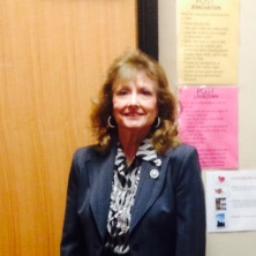
Texas · 24 yrs exp
Calm, practical counseling for anxiety and life stress
Stress, Anxiety · Relationship · Family · Trauma and abuse · +2 more
Read profile
South Dakota · 8 yrs exp
Calm practical support for everyday challenges
Stress, Anxiety · Relationship · Trauma and abuse · Career · +1 more
Read profile
Tennessee · 9 yrs exp
Restorative person-centered counseling and coaching
LGBT · Relationship · Trauma and abuse · Career · +2 more
Read profile
Michigan · 10 yrs exp
Practical, person-centered counseling for everyday struggles
Stress, Anxiety · Relationship · Family · Trauma and abuse · +9 more
Read profile
Michigan · 3 yrs exp
Calm, practical support for life transitions
Relationship · Family · Grief · Parenting · +1 more
Read profile
Pennsylvania · 15 yrs exp
Experienced counselor for anxiety and stress
Stress, Anxiety · Addictions · Family · Anger · +10 more
Read profileIf you experience panic attacks or persistent anxiety connected to work, you are not alone in wanting practical ways to manage symptoms and keep functioning. Many people describe sudden racing heart, breathlessness, a sense of detachment or hot flushes that come on in meetings, during commutes or before presentations. Those sensations can be frightening and may lead you to avoid certain tasks or situations at work, which can feel isolating or interfere with your career goals. It is important to remember that chest pain or new physical symptoms should be checked by a doctor first, because physical causes need medical attention. Talking with a professional listed on this page can help you explore patterns, coping strategies and what support might look like, but online talk therapy does not replace emergency or medical care.
Workplace stressors and panic or anxiety often interact in ways that matter to your daily life. High pressure deadlines, ambiguous role expectations, interpersonal conflict, unpredictable schedules or exposure to traumatic events at work can create an ongoing sense of threat that makes panic more likely in certain moments. For some people a single incident at work becomes associated with panic sensations, while for others a slow build of chronic stress lowers tolerance for triggers. You should not assume that workplace issues are the single cause of your panic; many factors - sleep, health, personal history and current life demands - play a role. What you can do is look for clinicians who list both Workplace Issues and panic attacks or anxiety as focus areas, because they may be more familiar with how job-related demands and workplace dynamics shape the way symptoms show up.
When you review profiles, think about concrete questions that will help you compare how clinicians describe their work. You might ask whether they have worked with people who face panic during public speaking, performance reviews, shift work or high-stakes client meetings. Ask what they mean by the approaches listed on a profile - for example, some therapists list CBT among their approaches, others list mindfulness-based methods, and some list EMDR among their approaches; a profile listing an approach does not prove a specific credential or level of experience. An example question could be - can you describe how you would help someone who has panic attacks triggered by workplace presentations? Another useful question is whether they have experience coordinating care with medical providers or occupational health teams, if that coordination matters to you. You can also inquire about their experience working with your industry or sector, because workplace cultures and schedules vary and those details can affect how therapy is structured.
Before beginning remote sessions with a clinician listed here, clarify practical and safety-related details. Confirm the clinician's listed location and whether they provide care to people in your region, because professional permissions differ by country and state. Ask what steps they recommend if you experience severe symptoms between sessions, and whether they have an emergency plan that includes local resources or referrals. Discuss the technology you will use for sessions, how appointments are scheduled, and what to expect about session length and communication outside of sessions. If you have medical treatments or medications, talk about how the clinician prefers to collaborate with prescribing clinicians so your care can be coordinated. Remember that online talk therapy is not a replacement for emergency services; if you are in immediate danger or have urgent medical symptoms, contact local emergency services or a healthcare professional right away.
Profiles on this page typically list a clinician's focus areas, the approaches they use, their academic degrees and a listed location. Use those details to make direct comparisons that match your needs. Look for profiles that explicitly mention Workplace Issues along with panic attacks or anxiety if work-related triggers are central for you. Read how clinicians describe their therapeutic style in their profiles - some emphasize skills-building and exposure approaches, while others highlight acceptance and coping strategies; if a profile lists an approach such as cognitive behavioral therapy, consider asking how that approach is applied in workplace scenarios. Pay attention to language options listed on profiles if you prefer to work in a language other than the dominant one in your area. When it comes to credentials, note the difference between academic degrees and professional permission to practice: degrees such as PhD, PsyD, MD, MA or MSW indicate completed education, while licensing, registration or professional membership indicate the current frameworks that govern practice in different countries. In the United States you will commonly see state license titles, whereas in the United Kingdom and Australia profiles may reference registration or membership with national or regional professional bodies. A degree alone does not establish current permission to practice, so if professional registration matters to you, ask about the clinician's current standing in the relevant jurisdiction.
Also consider practical aspects you can infer from a profile - whether the listed location aligns with your time zone or jurisdiction, whether the clinician mentions experience with shift work or remote teams, and whether their described approach sounds collaborative or directive. Keep in mind that a listed focus does not prove a clinician treats children, couples or families, so if you need support for a family member or for couple dynamics at work, bring that up directly when you contact a clinician. Use profile details as a starting point for a short introductory conversation so you can feel confident that the clinician's experience and approach match the particular workplace challenges you want to address.
When you and a clinician begin talking, aim to build a plan that fits your schedule and the real demands of your job. Discuss realistic short-term goals that relate to work tasks you find difficult, ways to manage panic sensations when they occur during the workday, and strategies to reduce avoidance so you can maintain responsibilities while you practice coping skills. Ask how the clinician tracks progress and adapts the plan if workplace demands change. If your role involves safety-sensitive tasks, consider asking how the clinician approaches coordination with occupational health or how they support you in balancing symptom management with workplace responsibilities. A thoughtful conversation up front can help you set expectations and choose a professional whose focus areas, approaches and communication style fit your needs.
Choosing a clinician from a directory like this one is a process of matching your needs to what each profile describes. Take time to review focus areas, read how clinicians describe their approach, check listed locations and languages, and use short conversations to clarify experience and practical details. That way you can find a clinician whose profile aligns with the workplace-related panic or anxiety challenges you want to address.
Alabama
47 therapists
Alaska
5 therapists
Arizona
46 therapists
Arkansas
27 therapists
Australia
108 therapists
California
286 therapists
Colorado
54 therapists
Connecticut
36 therapists
Delaware
5 therapists
District of Columbia
9 therapists
Florida
189 therapists
Georgia
51 therapists
Hawaii
8 therapists
Idaho
15 therapists
Illinois
116 therapists
Indiana
57 therapists
Iowa
20 therapists
Kansas
25 therapists
Kentucky
46 therapists
Louisiana
50 therapists
Maine
20 therapists
Maryland
46 therapists
Massachusetts
66 therapists
Michigan
136 therapists
Minnesota
37 therapists
Mississippi
29 therapists
Missouri
83 therapists
Montana
20 therapists
Nebraska
19 therapists
Nevada
16 therapists
New Hampshire
12 therapists
New Jersey
93 therapists
New Mexico
13 therapists
New York
248 therapists
North Carolina
75 therapists
North Dakota
4 therapists
Ohio
107 therapists
Oklahoma
47 therapists
Oregon
16 therapists
Pennsylvania
138 therapists
Rhode Island
5 therapists
South Carolina
39 therapists
South Dakota
8 therapists
Tennessee
50 therapists
Texas
355 therapists
United Kingdom
726 therapists
Utah
23 therapists
Vermont
15 therapists
Virginia
52 therapists
Washington
38 therapists
West Virginia
7 therapists
Wisconsin
41 therapists
Wyoming
13 therapists