
Sharon Calhoun
LMSWMichigan · 35 yrs exp
Practical, compassionate help for anxiety and life change
Stress, Anxiety · Addictions · Trauma and abuse · Self esteem · +3 more
Read profileTherapists in the United States, United Kingdom and Australia
Need help right now?Therapist listings are provided by BetterHelp. We will earn a commission at no additional cost to you if you use our links to purchase.
You can compare profiles of therapists who list Attachment Issues alongside panic attacks and anxiety to find a fit for your needs. Browse profiles to review listed location, approaches, languages and credentials before reaching out.
Michigan · 35 yrs exp
Practical, compassionate help for anxiety and life change
Stress, Anxiety · Addictions · Trauma and abuse · Self esteem · +3 more
Read profile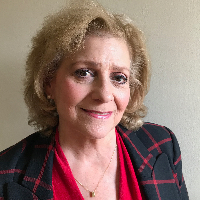
Pennsylvania · 21 yrs exp
Experienced counselor focused on practical change
Stress, Anxiety · Relationship · Family · Self esteem · +12 more
Read profile
Wisconsin · 11 yrs exp
Practical, warm counseling for anxiety and life change
Stress, Anxiety · Family · Trauma and abuse · Depression · +12 more
Read profile
Mississippi · 9 yrs exp
Compassionate, practical counseling for everyday life
Stress, Anxiety · Trauma and abuse · Parenting · Anger · +13 more
Read profile
Tennessee · 35 yrs exp
Compassionate guidance for anxiety and life changes
Stress, Anxiety · Grief · Self esteem · Depression · +8 more
Read profile
Oregon · 17 yrs exp
Therapist who blends practical skills and empathy
Stress, Anxiety · Trauma and abuse · Grief · Intimacy-related issues · +1 more
Read profile
New York · 18 yrs exp
Calm-focused counselor for anxiety and life stress
Stress, Anxiety · Relationship · Parenting · Anger · +1 more
Read profile
Michigan · 5 yrs exp
Experienced LMSW focused on practical change
Stress, Anxiety · Addictions · Relationship · Family · +1 more
Read profile
Michigan · 6 yrs exp
Calm guidance for anxious moments
Stress, Anxiety · Relationship · Self esteem · Depression · +7 more
Read profile
Missouri · 23 yrs exp
Compassionate counselor for anxiety and life changes
Stress, Anxiety · Relationship · Trauma and abuse · Depression · +9 more
Read profile
Illinois · 34 yrs exp
Experienced LCPC blending skills and compassion
Stress, Anxiety · Relationship · Grief · Self esteem · +11 more
Read profile
Illinois · 39 yrs exp
Calm, practical support for daily struggles
Stress, Anxiety · Relationship · Grief · Sleeping · +1 more
Read profile
Utah · 30 yrs exp
Experienced social worker focused on practical healing
Stress, Anxiety · Trauma and abuse · Grief · Anger · +1 more
Read profile
South Dakota · 8 yrs exp
Calm practical support for everyday challenges
Stress, Anxiety · Relationship · Trauma and abuse · Career · +1 more
Read profile
Tennessee · 37 yrs exp
Calm, practical help for anxious moments
Stress, Anxiety · Relationship · Family · Parenting · +1 more
Read profile
Nebraska · 23 yrs exp
Compassionate counselor focusing on practical skills
Stress, Anxiety · Trauma and abuse · Self esteem · Depression · +12 more
Read profile
Georgia · 15 yrs exp
Calm, practical support for anxiety and panic
Stress, Anxiety · Trauma and abuse · Grief · Self esteem · +1 more
Read profile
Arizona · 20 yrs exp
Compassionate practical help for anxiety and stress
Stress, Anxiety · Trauma and abuse · Self esteem · Bipolar · +1 more
Read profile
Michigan · 3 yrs exp
Calm, practical support for life transitions
Relationship · Family · Grief · Parenting · +1 more
Read profile
Pennsylvania · 15 yrs exp
Experienced counselor for anxiety and stress
Stress, Anxiety · Addictions · Family · Anger · +10 more
Read profile
United Kingdom · 12 yrs exp
Experienced counsellor for anxiety and life stress
Stress, Anxiety · Relationship · Grief · Parenting · +7 more
Read profile
Nevada · 5 yrs exp
Calm, practical support for anxiety and stress
Stress, Anxiety · Family · Grief · Self esteem · +1 more
Read profile
United Kingdom · 5 yrs exp
Calm listening, practical support
Stress, Anxiety · Relationship · Grief · Depression · +9 more
Read profile
Maryland · 20 yrs exp
Calm, practical support for anxiety and life stress
Stress, Anxiety · Relationship · Family · Grief · +1 more
Read profileIf you live with panic attacks or the ongoing fear of another episode, you are not alone in finding the sensations overwhelming. Many people describe a racing heart, breathlessness, dizziness or a sense of unreality when an attack starts. Those experiences often lead to avoidance of places or situations that feel risky, and you may find yourself planning around the next possibility rather than the moment you are in. Chest pain or new physical symptoms should be checked by a doctor first; online talk therapy is not emergency or medical care. While reading profiles, remember that language on a page does not replace a medical checkup when new or alarming symptoms occur.
Attachment issues refer broadly to patterns that grow out of early relationship experiences and shape how you relate to others - including how you respond to stress, closeness and separation. For some people that pattern shows up as intense worry about losing connection, for others it takes the form of shutting down and avoiding closeness. Those patterns may interact with anxiety or panic symptoms in different ways for different people. The profiles on this page are grouped because the therapist has listed Attachment Issues as a focus area; a listed focus does not guarantee a particular treatment method or outcome.
You might notice that your panic or anxiety feels tied to relationships - for example, a wave of panic when you perceive rejection, or breathlessness when you feel cornered in an argument. For many people attachment patterns influence how safe you feel in relationships and how you interpret stress signals. That can shape both the frequency and the context of anxious episodes without implying a single cause. Some people find that relationship-related worries increase bodily tension that makes panic more likely, while others experience avoidance of intimacy that raises loneliness and anxious thinking.
It is also common to develop strategies that reduce immediate discomfort but maintain anxiety over time, such as avoiding social events, over-relying on reassurance, or withdrawing when distressed. Those strategies can be addressed in therapeutic conversation, but they do not indicate a one-size-fits-all path. Therapists you will find here list a range of approaches and specialties; you may see descriptions mentioning cognitive-behavioral ideas, psychodynamic perspectives, trauma-informed language or references to specific techniques. In profiles, approach labels describe what a clinician highlights, not proof of a particular training or credential in that method.
When you read a profile, practical questions help you assess fit. You might ask whether the clinician has experience working with people who have panic attacks linked with relationship worries, whether they commonly work with the life stage you are in, and how they conceptualize the relationship between attachment patterns and anxiety. Ask whether they adapt their approach when a panic attack happens during a session, and what strategies they bring for managing acute anxiety while exploring relationship patterns more slowly.
Profiles will mention degrees and sometimes regulatory details. Distinguish academic credentials from current permission to practice - for example a listing may show PhD, PsyD, MD, MA or MSW as a degree, which is different from a state license in the United States or registration and professional membership in the UK or Australia. You can include specific questions in your outreach such as: Do you hold a current state license or national registration, what is your professional title in this country, and how long have you worked with people reporting panic attacks? You may also ask how they measure progress and how they tailor sessions when symptoms are heightened. If a profile lists particular approaches, you could say, for instance, that you noticed they list EMDR among their approaches and ask how they integrate that with work on attachment. That phrasing recognizes the profile wording without assuming formal certification in a technique.
If you are considering talking online, there are clear practical topics to cover before the first session. Talk about what to do if you experience a panic attack between sessions, whether the clinician asks you to identify a local medical contact for emergencies, and how they handle brief crisis contacts. Clarify the technology used and what happens if a connection drops during an emotional moment. It is reasonable to ask about how they document sessions and whether your appointment time will be held to the same length each week.
Because some people feel vulnerable while discussing relationship wounds and bodily sensations, check how the therapist structures early sessions - do they focus first on safety and stabilization, or on exploring patterns right away? You should also confirm that you have a private space for sessions and agree on any boundaries about messaging or notes between meetings. Remember that online talk therapy is not emergency or medical care, and chest pain or new physical symptoms should be checked by a doctor first. Having these practical conversations up front can make it easier to focus on the work when you begin.
Profiles can be compared along concrete lines that matter to your daily experience. Start with focus areas - does the profile list Attachment Issues together with panic attacks or anxiety, or does it emphasize relationship therapy or trauma work instead? That pairing can indicate the clinician thinks about the two concerns together, but it does not prove a particular treatment pathway. Next look at the approaches listed and the language used. Some profiles use terms like cognitive-behavioral, emotion-focused, or psychodynamic; others mention trauma-informed or integrative approaches. A helpful way to frame a question is to ask how an approach is used for panic symptoms versus how it is used for attachment patterns, so you can judge whether the balance matches your priorities.
Language and cultural fit matter. If you prefer therapy in a language other than English, check the profile for listed languages and examples of populations the clinician mentions. Location matters for logistical reasons - be aware of the therapist's listed location when you schedule any in-person options - and note distinctions in professional standing. In the United States, many clinicians will list a state license; in the UK and Australia clinicians commonly note registration or membership in national bodies. Degrees such as PhD, PsyD, MD, MA or MSW appear on profiles, but a degree alone does not establish current permission to practice. Finally, style is often conveyed in short profile descriptions: notice whether a clinician writes in warm, practical, reflective or directive terms and imagine how that style would feel when you are anxious. Using these concrete comparison questions will help you narrow profiles to those worth contacting for an initial conversation about fit.
Alabama
47 therapists
Alaska
5 therapists
Arizona
46 therapists
Arkansas
27 therapists
Australia
108 therapists
California
286 therapists
Colorado
54 therapists
Connecticut
36 therapists
Delaware
5 therapists
District of Columbia
9 therapists
Florida
189 therapists
Georgia
51 therapists
Hawaii
8 therapists
Idaho
15 therapists
Illinois
116 therapists
Indiana
57 therapists
Iowa
20 therapists
Kansas
25 therapists
Kentucky
46 therapists
Louisiana
50 therapists
Maine
20 therapists
Maryland
46 therapists
Massachusetts
66 therapists
Michigan
136 therapists
Minnesota
37 therapists
Mississippi
29 therapists
Missouri
83 therapists
Montana
20 therapists
Nebraska
19 therapists
Nevada
16 therapists
New Hampshire
12 therapists
New Jersey
93 therapists
New Mexico
13 therapists
New York
248 therapists
North Carolina
75 therapists
North Dakota
4 therapists
Ohio
107 therapists
Oklahoma
47 therapists
Oregon
16 therapists
Pennsylvania
138 therapists
Rhode Island
5 therapists
South Carolina
39 therapists
South Dakota
8 therapists
Tennessee
50 therapists
Texas
355 therapists
United Kingdom
726 therapists
Utah
23 therapists
Vermont
15 therapists
Virginia
52 therapists
Washington
38 therapists
West Virginia
7 therapists
Wisconsin
41 therapists
Wyoming
13 therapists