
Alissa Bohmann
LPCWisconsin · 11 yrs exp
Practical, warm counseling for anxiety and life change
Stress, Anxiety · Family · Trauma and abuse · Depression · +12 more
Read profileTherapists in the United States, United Kingdom and Australia
Need help right now?Therapist listings are provided by BetterHelp. We will earn a commission at no additional cost to you if you use our links to purchase.
This page groups profiles of professionals who list OCD among their focus areas alongside anxiety and panic attacks. Visitors can compare focus areas, stated approaches, languages and credentials and browse profiles to learn more about each listed location and profile details.
Wisconsin · 11 yrs exp
Practical, warm counseling for anxiety and life change
Stress, Anxiety · Family · Trauma and abuse · Depression · +12 more
Read profile
Tennessee · 35 yrs exp
Compassionate guidance for anxiety and life changes
Stress, Anxiety · Grief · Self esteem · Depression · +8 more
Read profile
New York · 18 yrs exp
Calm-focused counselor for anxiety and life stress
Stress, Anxiety · Relationship · Parenting · Anger · +1 more
Read profile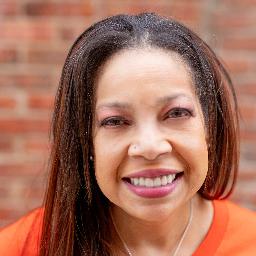
Missouri · 23 yrs exp
Compassionate counselor for anxiety and life changes
Stress, Anxiety · Relationship · Trauma and abuse · Depression · +9 more
Read profile
Texas · 8 yrs exp
Mental health care with practical focus
Stress, Anxiety · Addictions · Trauma and abuse · Self esteem · +11 more
Read profile
Utah · 30 yrs exp
Experienced social worker focused on practical healing
Stress, Anxiety · Trauma and abuse · Grief · Anger · +1 more
Read profile
Utah · 23 yrs exp
Supportive LCSW for adult anxiety and stress
Stress, Anxiety · Anger · Self esteem · Career · +1 more
Read profile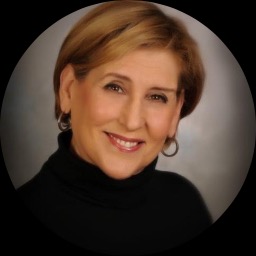
Michigan · 33 yrs exp
Experienced Michigan psychologist for anxiety
Stress, Anxiety · Parenting · Coping with life changes · Addictions · +7 more
Read profile
Arizona · 20 yrs exp
Compassionate practical help for anxiety and stress
Stress, Anxiety · Trauma and abuse · Self esteem · Bipolar · +1 more
Read profile
Michigan · 3 yrs exp
Calm, practical support for life transitions
Relationship · Family · Grief · Parenting · +1 more
Read profile
Utah · 40 yrs exp
Experienced LCSW focused on practical support
Stress, Anxiety · Relationship · Trauma and abuse · Anger · +1 more
Read profile
United Kingdom · 4 yrs exp
Healing through a trusted therapeutic relationship
Stress, Anxiety · Relationship · Trauma and abuse · Grief · +12 more
Read profile
United Kingdom · 7 yrs exp
Experienced BACP psychotherapeutic counsellor
Stress, Anxiety · Relationship · Intimacy-related issues · Self esteem · +6 more
Read profile
Texas · 8 yrs exp
Supportive, strength-based counseling for real-life struggles
Trauma and abuse · Grief · Self esteem · Depression · +12 more
Read profile
South Dakota · 12 yrs exp
Direct, practical help for anxiety and addiction
Addictions · Trauma and abuse · Anger · Depression · +8 more
Read profile
United Kingdom · 7 yrs exp
Practical therapy for anxious thinking and values-led living
Stress, Anxiety · Addictions · Relationship · Depression · +11 more
Read profile
United Kingdom · 8 yrs exp
Practical CBT with a client-centred focus
Stress, Anxiety · Self esteem · Depression · LGBT · +4 more
Read profile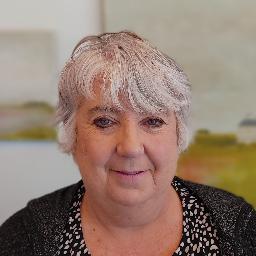
Massachusetts · 22 yrs exp
Calm, practical care for anxiety and life change
Family · Trauma and abuse · Parenting · Bipolar · +14 more
Read profile
United Kingdom · 7 yrs exp
Calm support for anxiety and life changes
Stress, Anxiety · Grief · Self esteem · Depression · +12 more
Read profile
United Kingdom · 7 yrs exp
Experienced humanistic counsellor for anxiety and life changes
Stress, Anxiety · Relationship · Trauma and abuse · Grief · +14 more
Read profile
United Kingdom · 10 yrs exp
Calm, practical support for anxiety and relationships
Stress, Anxiety · Relationship · Trauma and abuse · Self esteem · +1 more
Read profile
United Kingdom · 5 yrs exp
Calm, accepting counselling focused on your needs
Stress, Anxiety · Trauma and abuse · Grief · Self esteem · +10 more
Read profile
United Kingdom · 6 yrs exp
Calm, practical counselling for everyday crises
Stress, Anxiety · Anger · Self esteem · Depression · +12 more
Read profile
Florida · 25 yrs exp
Compassionate counselor for stress and anxiety
Stress, Anxiety · Addictions · Relationship · Depression · +1 more
Read profileIf you experience panic attacks or live with the worry of another one, your day-to-day might include a racing heart, breathlessness, dizziness, or a strong urge to avoid certain situations. Those physical sensations often mix with intense mental states - persistent worries, intrusive thoughts, or repetitive mental rituals - that some people describe as part of obsessive-compulsive challenges. You do not need a label to seek help, but recognizing patterns in your experience can help you focus on what to look for in a therapist's profile.
OCD commonly involves intrusive thoughts that feel distressing and repetitive behaviours or mental routines aimed at reducing that distress. Anxiety more broadly can amplify those patterns, and panic attacks can occur in settings where intrusive thoughts or avoidance feel overwhelming. If you notice chest pain, fainting, severe shortness of breath, or new physical symptoms, check with a medical professional first because those signs can have medical causes. Remember that online talk care is not emergency or medical care; you should have a plan for urgent needs that includes local emergency services or your doctor.
This specialty page groups profiles that list OCD as a focus area in addition to anxiety and panic attacks. That grouping does not assume one condition causes the other, but it reflects that many practitioners encounter overlapping symptoms in practice. You may find therapists who describe working with intrusive thoughts, compulsive behaviours, avoidance patterns, or panic symptoms, and those combinations can appear together in a single profile. When you read listings, note how a practitioner frames OCD relative to anxiety and panic - some profiles emphasize treating obsessive thinking and compulsive responses, while others highlight approaches for panic and breath-related distress.
Different people experience the relationship between OCD and panic in varied ways. For some, panic attacks may arise situationally and be tied to specific triggers. For others, the buildup of hypervigilance or repetitive checking can increase general anxiety levels and create moments of intense physical fear. Your experience is unique, so look for descriptions in profiles that resonate with how you feel. Profiles will often mention focus areas, preferred approaches and languages, but a listed focus does not guarantee a particular service model or that the practitioner treats all age groups or relationship configurations. You should discuss scope of practice directly with any practitioner whose profile you consider.
When you contact someone whose profile looks relevant, preparing specific questions can help you assess fit. Ask how they typically describe their approach to OCD and to panic or anxiety so you can hear whether their description matches what you are hoping for. You might ask whether they work with intrusive thoughts and compulsive behaviours and how they support people who fear recurrent panic attacks. If exposure-based methods are of interest, inquire about therapists who list exposure and response prevention among their approaches rather than assuming training or certification. If thought-focused work appeals to you, ask about approaches that address unhelpful thinking patterns and worry cycles.
Also ask practical, experience-based questions such as how they tailor work for someone who experiences frequent panic sensations, whether they have experience supporting people who avoid places or activities out of fear, and how they handle moments when a session brings intense distress. Inquire about language support if you prefer to speak a language other than English. If you are considering medication as part of care, you can ask whether the clinician coordinates with medical prescribers, but do not expect medication advice from a therapy profile alone. Remember that a degree such as PhD, PsyD, MD, MA or MSW reflects academic training but does not on its own indicate current permission to practice; profiles may also note professional licenses in the United States or registration or membership in the United Kingdom and Australia. You can ask directly about registration, licensure or membership relevant to the listed location.
If you are thinking about remote sessions, discuss some practical and safety details before beginning. Ask about how the practitioner handles urgent concerns that might arise between sessions and whether they have a local emergency plan for the listed location they indicate. Clarify communication preferences - such as how to reach them if something feels difficult between meetings - and what to do if a session triggers intense panic. You should confirm whether telehealth is offered for the listed location and whether there are any technological requirements or platforms used for video meetings. It is reasonable to ask how they manage records, appointment reminders and any paperwork that must be completed before the first meeting.
Make sure to mention any medical conditions that relate to breathlessness or chest symptoms, because those may affect what you and a therapist decide to address in sessions. If you experience chest pain, fainting, or serious shortness of breath, seek prompt medical evaluation. Online talk care cannot replace urgent medical assessment. Before starting, discuss whether the clinician is comfortable coordinating with your doctor or a local health professional if that would help you feel safer. Finally, be explicit about what you want to work on - intrusive thoughts, compulsive behaviours, panic symptoms - so the clinician can explain whether that fits within their stated scope on the profile.
Profiles vary in how they describe focus areas and clinical style, so comparing specific elements can help you narrow choices. Look for profiles that include the terms that match your main concerns - intrusive thoughts, compulsions, avoidance, panic attacks, or breath-related anxiety - and note whether those items appear as primary focus areas or additional interests. Pay attention to languages listed if you prefer to speak in a language other than English, and consider whether a listed location in the profile aligns with the jurisdiction where you want services. Keep in mind that this directory includes professionals who list practices in the United States, the United Kingdom and Australia; in the US you may see state licensure referenced, while in the UK and Australia you may see professional registration or membership noted. A degree such as PhD, PsyD, MD, MA or MSW reflects academic credentials but does not on its own establish current permission to practice.
Style matters as much as credentials. Some profiles describe a more structured, skills-oriented approach to anxiety and compulsive behaviours, while others emphasize reflective or exploratory work. Look for language about session pace and what a typical first few sessions might focus on, and think about whether that tone feels like a match. Remember that a listed topic does not necessarily mean a clinician treats children, couples or families, so ask directly if that matters for your situation. Use the profile details to generate a short list of questions to bring to an initial conversation - for example, what a clinician's goals are for the early sessions, how they measure progress in ways that matter to you, and how they handle moments when symptoms spike. Those concrete comparisons can help you decide which profiles to contact to learn more.
Alabama
47 therapists
Alaska
5 therapists
Arizona
46 therapists
Arkansas
27 therapists
Australia
108 therapists
California
286 therapists
Colorado
54 therapists
Connecticut
36 therapists
Delaware
5 therapists
District of Columbia
9 therapists
Florida
189 therapists
Georgia
51 therapists
Hawaii
8 therapists
Idaho
15 therapists
Illinois
116 therapists
Indiana
57 therapists
Iowa
20 therapists
Kansas
25 therapists
Kentucky
46 therapists
Louisiana
50 therapists
Maine
20 therapists
Maryland
46 therapists
Massachusetts
66 therapists
Michigan
136 therapists
Minnesota
37 therapists
Mississippi
29 therapists
Missouri
83 therapists
Montana
20 therapists
Nebraska
19 therapists
Nevada
16 therapists
New Hampshire
12 therapists
New Jersey
93 therapists
New Mexico
13 therapists
New York
248 therapists
North Carolina
75 therapists
North Dakota
4 therapists
Ohio
107 therapists
Oklahoma
47 therapists
Oregon
16 therapists
Pennsylvania
138 therapists
Rhode Island
5 therapists
South Carolina
39 therapists
South Dakota
8 therapists
Tennessee
50 therapists
Texas
355 therapists
United Kingdom
726 therapists
Utah
23 therapists
Vermont
15 therapists
Virginia
52 therapists
Washington
38 therapists
West Virginia
7 therapists
Wisconsin
41 therapists
Wyoming
13 therapists