
Amanda Polk
LISW-CPSouth Carolina · 10 yrs exp
Practical, client-centered care for anxiety
Stress, Anxiety · Relationship · Family · Trauma and abuse · +1 more
Read profileTherapists in the United States, United Kingdom and Australia
Need help right now?Therapist listings are provided by BetterHelp. We will earn a commission at no additional cost to you if you use our links to purchase.
This page groups profiles of clinicians who list Veterans as a focus and also indicate panic attacks or anxiety among their areas of work. Use the profile summaries to compare approaches, credentials, languages, listed location, and professional experience, then browse profiles to learn more.
South Carolina · 10 yrs exp
Practical, client-centered care for anxiety
Stress, Anxiety · Relationship · Family · Trauma and abuse · +1 more
Read profile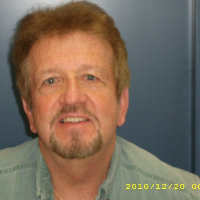
Michigan · 5 yrs exp
Experienced LMSW focused on practical change
Stress, Anxiety · Addictions · Relationship · Family · +1 more
Read profile
Georgia · 11 yrs exp
Support focused on practical change
Addictions · Relationship · Trauma and abuse · Bipolar · +1 more
Read profile
Pennsylvania · 40 yrs exp
Counselor focused on practical change
Relationship · Family · Parenting · Anger · +1 more
Read profile
Florida · 16 yrs exp
Compassionate guidance for stress and anxiety
Stress, Anxiety · Relationship · Anger · Depression · +1 more
Read profile
Texas · 8 yrs exp
Supportive, strength-based counseling for real-life struggles
Trauma and abuse · Grief · Self esteem · Depression · +12 more
Read profile
South Dakota · 12 yrs exp
Direct, practical help for anxiety and addiction
Addictions · Trauma and abuse · Anger · Depression · +8 more
Read profile
Ohio · 4 yrs exp
Calm guidance for practical change
Stress, Anxiety · Relationship · Family · Parenting · +9 more
Read profile
United Kingdom · 7 yrs exp
Practical counselling for anxiety and life change
Stress, Anxiety · Relationship · Trauma and abuse · Self esteem · +13 more
Read profile
United Kingdom · 5 yrs exp
Warm counsellor for anxiety and stress
Stress, Anxiety · Self esteem · Career · Depression · +1 more
Read profile
United Kingdom · 12 yrs exp
Calm, practical support for change
Stress, Anxiety · Trauma and abuse · Anger · Coaching · +4 more
Read profile
United Kingdom · 9 yrs exp
Calm, practical support for anxiety and life changes
Stress, Anxiety · Addictions · Grief · Anger · +8 more
Read profile
Michigan · 4 yrs exp
Compassionate counselor helping with anxiety and stress
Stress, Anxiety · Depression · Addictions · Relationship · +4 more
Read profile
New Mexico · 16 yrs exp
Collaborative, practical therapy for everyday challenges
Stress, Anxiety · Intimacy-related issues · Parenting · Anger · +8 more
Read profile
New Hampshire · 45 yrs exp
Experienced counselor focused on practical anxiety support
Stress, Anxiety · Trauma and abuse · Depression · ADHD · +11 more
Read profile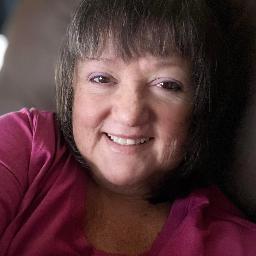
Indiana · 17 yrs exp
Hopeful, practical support for panic and anxiety
Stress, Anxiety · Family · Trauma and abuse · Self esteem · +10 more
Read profile
South Dakota · 17 yrs exp
Compassionate, practical support for anxiety and life changes
Stress, Anxiety · Addictions · Family · Trauma and abuse · +8 more
Read profile
United Kingdom · 17 yrs exp
Practical counselling for anxiety and panic
Stress, Anxiety · Addictions · Trauma and abuse · Self esteem · +9 more
Read profile
Iowa · 38 yrs exp
Experienced LISW guiding steady recovery
Stress, Anxiety · Trauma and abuse · Anger · Self esteem · +11 more
Read profile
Texas · 6 yrs exp
Practical, straightforward support for worry and relationships
Stress, Anxiety · Relationship · Trauma and abuse · Self esteem · +7 more
Read profile
Alabama · 9 yrs exp
Dr. Gerald S Graham, LPC
Stress, Anxiety · Trauma and abuse · Self esteem · Depression · +1 more
Read profile
California · 51 yrs exp
Experienced marriage and family therapist
Stress, Anxiety · LGBT · Relationship · Trauma and abuse · +1 more
Read profile
Texas · 3 yrs exp
Calm support for anxiety and life changes
Stress, Anxiety · Trauma and abuse · Grief · Depression · +1 more
Read profile
United Kingdom · 14 yrs exp
Experienced BACP counsellor for anxiety and life change
Stress, Anxiety · Addictions · Grief · Depression · +11 more
Read profileIf you are a Veteran living with panic attacks or ongoing anxiety, you may already know how unsettling the experience can be. A racing heart, shortness of breath, dizziness, or the urge to avoid situations that feel risky are common descriptions people give when they talk about panic. For many Veterans these sensations can be connected to stressors tied to service, transition to civilian life, or other life events, but profiles on this page simply indicate that a clinician lists Veterans and panic attacks or anxiety as areas they work with. That listing does not imply a specific clinical credential or a particular treatment outcome. It is important to check new or unexplained chest pain or other physical symptoms with a medical provider before assuming they are related to anxiety. Online talk therapy is not emergency or medical care. If you experience symptoms that suggest a medical emergency, contact emergency services or a clinician who can assess you in person. When you browse profiles you may see clinicians who describe experience with issues often raised by Veterans, such as reintegration stress, hypervigilance, or difficulty sleeping. Use those descriptions to guide conversations about fit rather than to assume a one-to-one match between your needs and a profile label.
Profiles on this site summarize what clinicians list about their focus areas, approaches, credentials, languages, and listed location. Those summaries can help you narrow options but they do not prove competence in a particular specialty or guarantee outcomes. A profile may list panic attacks or anxiety among additional focus areas and may note that the clinician works with Veterans. That information is self-reported by the clinician and intended to help you find someone who appears to understand common concerns. In the United States, some profiles will reference a state license. In the United Kingdom and Australia, you may see references to registration with a professional body or membership in an association. Academic degrees such as PhD, PsyD, MD, MA, or MSW are distinct from a current permission to practice; a degree alone does not establish that a clinician holds the relevant professional registration or license in their listed location. When you read a profile, look for clear statements about the populations a clinician sees, the ways they describe their work, and any languages they list. If a profile mentions an approach you are curious about, treat that as a conversation starter rather than proof of specialized certification. For example, you might see therapists who list EMDR among their approaches; you can ask directly about their experience using that approach with Veterans who experience panic and anxiety.
When you contact a clinician after browsing profiles, practical questions can make it easier to assess fit. Ask how they typically work with panic attacks and anxiety, and whether they have experience with Veteran-related concerns similar to yours. Ask what terms they use to describe goals in early sessions and how they measure progress, taking care to remember no clinician can promise a specific outcome. Inquire about their training and current professional standing in your region - whether they hold a state license in the United States or are registered or a member of a relevant professional body in the United Kingdom or Australia. Clarify what their degree denotes and whether they also hold a license or registration that allows them to practice where your needs require it. It is also useful to ask about the scope of services. A listed focus on Veterans does not automatically mean a clinician treats children, couples, or families, nor does it indicate they offer medication management. If you have co-occurring health concerns, ask how they coordinate with medical providers. If you have lived experience with trauma, you can ask how they approach trauma-related symptoms in sessions. These questions help you understand how a clinician's stated approaches might correspond to your needs, so you can choose to explore further if the fit feels right.
If you plan to work remotely, discuss practical and safety details up front. Ask how the clinician manages situations that require urgent attention, and what local resources or emergency procedures they recommend in your listed location. Confirm how they handle record-keeping, informed consent, and the platforms used for sessions, remembering that online talk therapy is not emergency medical care. You may want to ask about their experience working with Veterans in remote formats and whether they have a practice style that matches your communication preferences - for example, a directive style that focuses on skills and strategies, or a more exploratory style that focuses on underlying patterns. Clarify language preferences if English is not your first language, and ask whether they offer services in other languages you prefer. Discussing logistics such as time zones, session length, and the clinician's approach to cancellations or missed sessions can help you avoid surprises. If coordination with other providers or with veteran-specific services is important to you, ask how the clinician has worked with external professionals in the past. These conversations are part of assessing fit and making sure the practical arrangements support consistent work on panic and anxiety symptoms.
When you compare profiles, look beyond a single phrase and read how clinicians describe their work in context. Pay attention to whether they mention concrete populations or settings they have experience with, the ways they talk about panic attacks and anxiety, and the kinds of goals clients have pursued with them. Note the languages they list, the listed location or regions where they practice, and whether they identify particular life stages or transitions they commonly see. Consider the combination of a clinician's academic degrees and their stated licensing or registration rather than treating a degree as a stand-in for permission to practice. Think about style as well as substance. Some clinicians emphasize symptom management and practical coping tools, some focus on processing experiences that contribute to anxiety, and others blend approaches depending on what you bring to sessions. You can form comparison questions such as: How do they describe the first few sessions, what outcomes do they discuss as possible priorities, and how do they adapt their work for Veterans who might be dealing with reintegration or role changes? These concrete questions can guide your selection process as you move from browsing to contacting clinicians whose profiles resonate with your needs. Remember that a profile is a starting point for a conversation about fit, not a guarantee of service scope or result.
Alabama
47 therapists
Alaska
5 therapists
Arizona
46 therapists
Arkansas
27 therapists
Australia
108 therapists
California
286 therapists
Colorado
54 therapists
Connecticut
36 therapists
Delaware
5 therapists
District of Columbia
9 therapists
Florida
189 therapists
Georgia
51 therapists
Hawaii
8 therapists
Idaho
15 therapists
Illinois
116 therapists
Indiana
57 therapists
Iowa
20 therapists
Kansas
25 therapists
Kentucky
46 therapists
Louisiana
50 therapists
Maine
20 therapists
Maryland
46 therapists
Massachusetts
66 therapists
Michigan
136 therapists
Minnesota
37 therapists
Mississippi
29 therapists
Missouri
83 therapists
Montana
20 therapists
Nebraska
19 therapists
Nevada
16 therapists
New Hampshire
12 therapists
New Jersey
93 therapists
New Mexico
13 therapists
New York
248 therapists
North Carolina
75 therapists
North Dakota
4 therapists
Ohio
107 therapists
Oklahoma
47 therapists
Oregon
16 therapists
Pennsylvania
138 therapists
Rhode Island
5 therapists
South Carolina
39 therapists
South Dakota
8 therapists
Tennessee
50 therapists
Texas
355 therapists
United Kingdom
726 therapists
Utah
23 therapists
Vermont
15 therapists
Virginia
52 therapists
Washington
38 therapists
West Virginia
7 therapists
Wisconsin
41 therapists
Wyoming
13 therapists