
Sahra Robinson
LCSWNew York · 24 yrs exp
Compassionate care with practical strategies
Stress, Anxiety · Relationship · Anger · Self esteem · +12 more
Read profileTherapists in the United States, United Kingdom and Australia
Need help right now?Therapist listings are provided by BetterHelp. We will earn a commission at no additional cost to you if you use our links to purchase.
This page gathers profiles of clinicians who list Mood Disorders among their focus areas and also note anxiety or panic attacks. Use the filters to compare approaches, credentials, languages, and listed location, then browse profiles to learn more.
New York · 24 yrs exp
Compassionate care with practical strategies
Stress, Anxiety · Relationship · Anger · Self esteem · +12 more
Read profile
Illinois · 25 yrs exp
Calm, experienced LCSW guiding practical change
Stress, Anxiety · Relationship · Grief · Depression · +10 more
Read profile
South Carolina · 10 yrs exp
Practical, client-centered care for anxiety
Stress, Anxiety · Relationship · Family · Trauma and abuse · +1 more
Read profile
Michigan · 35 yrs exp
Practical, compassionate help for anxiety and life change
Stress, Anxiety · Addictions · Trauma and abuse · Self esteem · +3 more
Read profile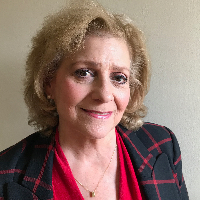
Pennsylvania · 21 yrs exp
Experienced counselor focused on practical change
Stress, Anxiety · Relationship · Family · Self esteem · +12 more
Read profile
Wisconsin · 11 yrs exp
Practical, warm counseling for anxiety and life change
Stress, Anxiety · Family · Trauma and abuse · Depression · +12 more
Read profile
Tennessee · 35 yrs exp
Compassionate guidance for anxiety and life changes
Stress, Anxiety · Grief · Self esteem · Depression · +8 more
Read profile
New York · 13 yrs exp
Calm, practical help for anxiety and stress
Stress, Anxiety · Self esteem · Depression · Coping with life changes · +8 more
Read profile
New York · 18 yrs exp
Calm-focused counselor for anxiety and life stress
Stress, Anxiety · Relationship · Parenting · Anger · +1 more
Read profile
Michigan · 5 yrs exp
Experienced LMSW focused on practical change
Stress, Anxiety · Addictions · Relationship · Family · +1 more
Read profile
Michigan · 6 yrs exp
Calm guidance for anxious moments
Stress, Anxiety · Relationship · Self esteem · Depression · +7 more
Read profile
Georgia · 11 yrs exp
Support focused on practical change
Addictions · Relationship · Trauma and abuse · Bipolar · +1 more
Read profile
Missouri · 23 yrs exp
Compassionate counselor for anxiety and life changes
Stress, Anxiety · Relationship · Trauma and abuse · Depression · +9 more
Read profile
Missouri · 22 yrs exp
Compassionate counselor for anxiety and mood
Stress, Anxiety · Addictions · Self esteem · Bipolar · +1 more
Read profile
Illinois · 34 yrs exp
Experienced LCPC blending skills and compassion
Stress, Anxiety · Relationship · Grief · Self esteem · +11 more
Read profile
Texas · 8 yrs exp
Mental health care with practical focus
Stress, Anxiety · Addictions · Trauma and abuse · Self esteem · +11 more
Read profile
Illinois · 39 yrs exp
Calm, practical support for daily struggles
Stress, Anxiety · Relationship · Grief · Sleeping · +1 more
Read profile
New Jersey · 25 yrs exp
Calm, practical support for everyday struggles
Stress, Anxiety · Family · Anger · Self esteem · +1 more
Read profile
Utah · 30 yrs exp
Experienced social worker focused on practical healing
Stress, Anxiety · Trauma and abuse · Grief · Anger · +1 more
Read profile
Massachusetts · 30 yrs exp
Calm, practical support for anxiety and life strain
Stress, Anxiety · Addictions · Relationship · Trauma and abuse · +1 more
Read profile
Utah · 23 yrs exp
Supportive LCSW for adult anxiety and stress
Stress, Anxiety · Anger · Self esteem · Career · +1 more
Read profile
Alabama · 9 yrs exp
Warm practical support for anxiety and mood
Stress, Anxiety · Trauma and abuse · Self esteem · Bipolar · +1 more
Read profile
Oklahoma · 30 yrs exp
Calm support for anxiety and life's challenges
Stress, Anxiety · Family · Trauma and abuse · Grief · +6 more
Read profile
Michigan · 33 yrs exp
Experienced Michigan psychologist for anxiety
Stress, Anxiety · Parenting · Coping with life changes · Addictions · +7 more
Read profileIf you live with panic attacks or the fear of one happening, you are likely familiar with sudden racing heart, breathlessness, lightheadedness, or a wave of intense fear that arrives without warning. Those moments can make you want to avoid situations or places where an attack has happened before. Mood-related symptoms such as persistent low mood, irritability, or trouble concentrating may also be present and can change how you feel day to day. You may notice that anxiety and mood symptoms affect sleep, appetite, motivation, and how you relate to other people.
When new or severe chest pain, fainting, or other unexpected physical symptoms happen, it is important to check with a doctor first. Talk therapy listed on this site is not emergency medical care. If you have thoughts about harming yourself or someone else, seek immediate help from local emergency services or a crisis line in your area. You can use the profiles here to find clinicians who list experience with panic attacks and mood-related concerns, then follow up directly to discuss fit.
Mood Disorders and panic attacks can appear together for many people, but the relationship between them is not the same for everyone. For some, periods of low mood or depression precede increases in anxiety or panic; for others, repeated panic attacks can make you feel worn down and affect your mood. Profiles in this directory reflect what therapists list as focus areas - a clinician who lists Mood Disorders may also list anxiety or panic attacks as an additional focus. That listing does not establish a cause-and-effect connection but does indicate that the clinician has experience describing their work with those issues on their profile.
When you read profiles, remember that listing both Mood Disorders and panic attacks can mean different things. It may reflect experience working with overlapping symptoms, an interest in how mood and anxiety interact, or approaches that address both mood regulation and panic symptoms. Use profile details to understand how a clinician frames their practice rather than assuming any one listing implies a specific pathway or outcome for you.
As you consider profiles, prepare concrete questions to clarify how a clinician works with panic attacks and mood symptoms. Ask what a therapist means by the approaches they list and how those approaches might be used with your situation. For example, therapists who list cognitive behavioral therapy among their approaches may describe ways to notice and test anxious thoughts, while those who mention mindfulness-oriented methods might describe practices to change your relationship to uncomfortable physical sensations. Phrase questions so you learn about process - you could ask how they typically pace sessions with people who experience intense panic, what steps they use when breathlessness or rapid heart rate is a focus, and how they set short-term goals.
Also consider asking about experience with co-occurring concerns. You might ask whether the clinician has worked with people who experience both mood changes and recurrent panic, and how they coordinate care if medical issues or medication management are part of the picture. Keep in mind that a profile listing an approach does not prove specific training or certification in that approach, so it is reasonable to request examples of how that approach has been applied in practice.
Before beginning sessions, discuss what you need to feel comfortable and supported. Clarify how the clinician handles situations when physical symptoms intensify during or between sessions, and whether they will work with your doctor or other healthcare providers if medical monitoring is needed. Ask what steps they take if you experience a crisis and how you would contact local emergency services if needed. If you plan to meet online, ask about the platforms they use and what to do if a connection drops during an intense moment.
Talk about logistics that affect your sense of safety and fit. You might discuss the typical length and frequency of sessions they recommend when panic attacks are a concern, how they measure progress, and how flexible they are in adjusting plans if symptoms change. If language or cultural understanding matters to you, ask how those aspects are integrated into their work. Remember that online talk therapy is not a substitute for urgent medical care, and any new or worrying physical symptom should be evaluated by a healthcare professional.
When you compare profiles, look for concrete indicators that help you narrow choices. Start with which focus areas are listed alongside Mood Disorders - do profiles also list panic attacks or generalized anxiety? Which approaches are named, and how does each profile describe the way those approaches are used? Pay attention to the languages the clinician speaks and the listed location, which can affect time zone and whether in-person work might be an option for you. Profiles often describe professional qualifications such as academic degrees and registrations or licenses. Note the difference between degrees and regulatory permission to practice: a PhD, PsyD, MD, MA, or MSW is an academic or clinical degree, whereas licensing or registration is the legal authorization that varies by country. In the United States that authorization is typically called a license; in the United Kingdom and Australia clinicians may be registered with or members of professional bodies. A degree alone does not confirm current permission to practice, so you may want to ask about the clinician's current registration or licensing body and what that means in their country.
Finally, look for descriptions of therapeutic style and session focus. Some profiles emphasize symptom skills and structured strategies, while others emphasize exploring mood patterns and life context. These descriptions can help you imagine what a first session might feel like. Use the profiles to gather questions and then reach out to clinicians whose descriptions seem to match what you are looking for. Comparing profiles in this way helps you make informed choices about who to contact while remembering that nothing on a profile guarantees specific outcomes or services.
Alabama
47 therapists
Alaska
5 therapists
Arizona
46 therapists
Arkansas
27 therapists
Australia
108 therapists
California
286 therapists
Colorado
54 therapists
Connecticut
36 therapists
Delaware
5 therapists
District of Columbia
9 therapists
Florida
189 therapists
Georgia
51 therapists
Hawaii
8 therapists
Idaho
15 therapists
Illinois
116 therapists
Indiana
57 therapists
Iowa
20 therapists
Kansas
25 therapists
Kentucky
46 therapists
Louisiana
50 therapists
Maine
20 therapists
Maryland
46 therapists
Massachusetts
66 therapists
Michigan
136 therapists
Minnesota
37 therapists
Mississippi
29 therapists
Missouri
83 therapists
Montana
20 therapists
Nebraska
19 therapists
Nevada
16 therapists
New Hampshire
12 therapists
New Jersey
93 therapists
New Mexico
13 therapists
New York
248 therapists
North Carolina
75 therapists
North Dakota
4 therapists
Ohio
107 therapists
Oklahoma
47 therapists
Oregon
16 therapists
Pennsylvania
138 therapists
Rhode Island
5 therapists
South Carolina
39 therapists
South Dakota
8 therapists
Tennessee
50 therapists
Texas
355 therapists
United Kingdom
726 therapists
Utah
23 therapists
Vermont
15 therapists
Virginia
52 therapists
Washington
38 therapists
West Virginia
7 therapists
Wisconsin
41 therapists
Wyoming
13 therapists