
Jennifer Lindstrom
LCSW, CSWWyoming · 10 yrs exp
Calm, practical therapy for panic and stress
Stress, Anxiety · Addictions · Grief · Eating · +9 more
Read profileTherapists in the United States, United Kingdom and Australia
Need help right now?Therapist listings are provided by BetterHelp. We will earn a commission at no additional cost to you if you use our links to purchase.
Browse profiles of professionals who list panic attacks and anxiety in Wyoming to compare focus areas, approaches, credentials, languages, and experience. Check each profile's listed location and other details to see who might match your needs. Confirm permission to work with you where you live by reviewing the therapist's profile before reaching out.
Wyoming · 10 yrs exp
Calm, practical therapy for panic and stress
Stress, Anxiety · Addictions · Grief · Eating · +9 more
Read profile
Wyoming · 5 yrs exp
Practical support for anxiety and life changes
Stress, Anxiety · Relationship · Depression · Coping with life changes · +1 more
Read profile
Wyoming · 7 yrs exp
Calm, practical counseling for daily struggles
Stress, Anxiety · Relationship · Self esteem · Depression · +1 more
Read profile
Wyoming · 15 yrs exp
Calm, faith-informed psychologist focused on recovery
Stress, Anxiety · Relationship · Grief · Self esteem · +1 more
Read profile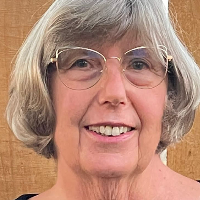
Wyoming · 20 yrs exp
Compassionate LCSW offering steady practical support
Stress, Anxiety · Trauma and abuse · Grief · Parenting · +12 more
Read profile
Wyoming · 13 yrs exp
Practical, calm support for anxiety and change
Stress, Anxiety · Addictions · Self esteem · Depression · +8 more
Read profile
Wyoming · 5 yrs exp
Calm, practical support for anxiety and life change
Stress, Anxiety · Trauma and abuse · Grief · Depression · +9 more
Read profile
Wyoming · 10 yrs exp
Calm, practical support for real-life struggles
Stress, Anxiety · Relationship · Trauma and abuse · Sleeping · +9 more
Read profile
Wyoming · 30 yrs exp
Compassionate counselor for life changes and trauma
Relationship · Family · Trauma and abuse · Grief · +9 more
Read profile
Wyoming · 3 yrs exp
Practical support for anxiety and grief
Stress, Anxiety · LGBT · Trauma and abuse · Grief · +1 more
Read profile
Wyoming · 4 yrs exp
Practical support for anxiety and self-worth
Stress, Anxiety · LGBT · Trauma and abuse · Grief · +1 more
Read profile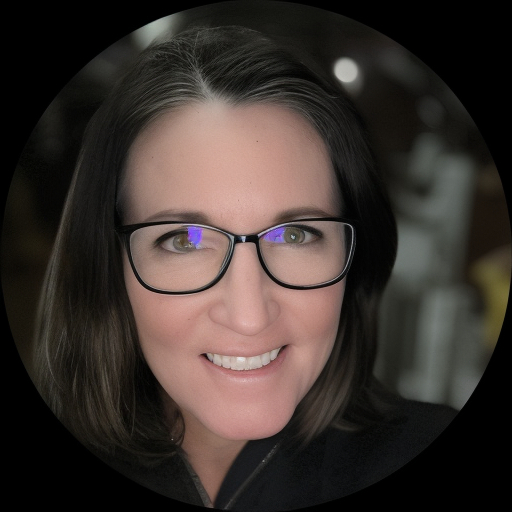
Wyoming · 4 yrs exp
Calm, practical support for acute anxiety
Stress, Anxiety · Trauma and abuse · Self esteem · Depression · +1 more
Read profile
Wyoming · 3 yrs exp
Practical, person-centered support for anxiety and panic
Stress, Anxiety · Trauma and abuse · Self esteem · Depression · +13 more
Read profileWhen you live with panic attacks or the fear of another episode, it can feel destabilizing. Many people describe a sudden racing heart, breathlessness, dizziness, sweating, or a strong urge to escape a place or situation. Those sensations often lead to avoidance of triggers, changes in daily routines, and a constant worry about when an attack might happen next. You do not need a diagnosis named here to seek help; you can look for someone who lists panic attacks, panic disorder, or anxiety among their focus areas and who describes experience working with those symptoms.
If you notice chest pain or other new physical symptoms, check with a doctor first; online talk therapy is not emergency or medical care. A medical evaluation can rule out urgent causes. After that, you can explore profiles and contact clinicians to learn how they work with panic-related symptoms. Focus on how the therapist describes handling acute symptoms, ways they help you cope with panic when it occurs, and how they support people who manage ongoing avoidance or anxiety about future attacks.
Profiles grouped under the listed location Wyoming gather clinicians who identify that area as relevant to their practice, but that does not prove an office, physical proximity, or current permission to practice there. You should always check the individual profile for details and confirm directly with the clinician whether they can work with you where you live. The directory includes professionals from the United States, the United Kingdom, and Australia, and terminology differs across those systems.
Degrees such as PhD, PsyD, MD, MA, and MSW indicate educational background. Those academic credentials are not the same as professional permission to practice. In the United States, clinicians typically show a state license or credential such as a clinical psychologist, licensed counselor, licensed social worker, marriage and family therapist, or psychiatrist. In the United Kingdom or Australia, profiles may note registration or membership with professional bodies rather than a US-style state license. A degree alone does not establish current permission to practice in a particular place, so confirm licensure, registration, or membership as listed on the profile and ask about permission to work with you in your location before you begin.
When you review profiles, prepare concrete questions that help you understand how a clinician works with panic and anxiety. You can ask: Do you have experience working with panic attacks or panic disorder specifically? What kinds of approaches do you typically use when panic symptoms are present? How do you help clients manage breathlessness or a racing heart during an attack? Which kinds of follow-up or between-session strategies do you offer for avoidance behaviors?
Phrase questions so you get practical answers. For example, ask whether they often use breathing-focused strategies, exposure-based techniques, cognitive methods, or relaxation and grounding practices, while remembering that a profile listing an approach is not proof of a formal credential in it. You can also inquire about experience with co-occurring concerns, such as sleep difficulties or substance use, and whether the clinician works with people of your age group or with similar life circumstances. Keep the conversation focused on how their work aligns with the problems you most want help with.
If you are considering remote or online sessions, there are practical topics to address before you begin. Ask how they handle emergencies and what steps they recommend if you experience intense symptoms outside of session times. Clarify the clinician's communication preferences for scheduling or brief check-ins, and review their privacy practices to understand how your information is protected. Discuss what a typical session looks like when panic symptoms arise and how they help you stabilize during or after an episode.
Talk about technology needs and backup plans in case a connection drops, and ask what they expect from you between sessions if you both agree to that kind of work. Be explicit about whether they have experience helping people cope with breathlessness, racing heart, and avoidance in a remote format, and what supports they suggest you have in place locally for urgent medical or crisis situations. Remember that online talk therapy is not a substitute for emergency medical or crisis services, and that clinicians cannot provide emergency care through typical remote sessions.
Comparing profiles is most useful when you look at several concrete dimensions at once. Start with focus areas and look for clinicians who list panic attacks, panic disorder, or anxiety among their specialties. Then read how they describe working with those issues - do they emphasize symptom management, understanding triggers, or gradual behavior change? Next, check languages spoken and consider whether communication in a particular language matters to you for comfort and nuance.
When you examine credentials, distinguish academic degrees from current permission to practice. Look for explicit notes about licensure, registration, or professional memberships appropriate to the clinician's country. Also evaluate the tone and style in profiles and biographies - some clinicians describe a more directive approach, while others emphasize collaborative or reflective work. Ask yourself which style helps you feel heard and supported when panic symptoms occur. Concrete comparison questions you can use when contacting someone include: Which client experiences similar to mine have you worked with? How do you typically respond in session if a client has a panic attack during the meeting? What supports do you suggest between sessions to reduce avoidance?
Keep in mind that a listed topic does not establish that a clinician treats children, couples, or families, so confirm scope and population directly. Taking the time to compare focus areas, languages, credentials, and described therapeutic style will give you clearer signals about who might be a good match for the way you experience panic and anxiety.
As you browse profiles on SteadyBreath.org, use these guidelines to form questions and to decide which clinicians you want to learn more from. Always check the profile details for the listed location and confirm that the clinician has permission to work with you in your area before you proceed. Taking these steps can help you find a therapeutic match that fits the kinds of panic-related concerns you want to address.
Addictions
1106 therapists
Chronic Illness
623 therapists
Chronic Pain
623 therapists
Control Issues
1558 therapists
Depression
3180 therapists
Grief
1868 therapists
Guilt and Shame
2657 therapists
Isolation / Loneliness
2494 therapists
Mood Disorders
2033 therapists
OCD
635 therapists
Panic Disorder and Panic Attacks
3797 therapists
Phobias
387 therapists
Post-Traumatic Stress
2361 therapists
Postpartum Depression
425 therapists
Self Esteem
2682 therapists
Sleeping Disorders
463 therapists
Social Anxiety and Phobia
2909 therapists
Somatization
150 therapists
Stress & Anxiety
3634 therapists
Trauma and Abuse
2467 therapists
Aging and Geriatric Issues
340 therapists
Attachment Issues
1720 therapists
Career
1021 therapists
Caregiver Issues and Stress
1313 therapists
Communication Problems
2808 therapists
Coping with Life Changes
2276 therapists
Family
1588 therapists
Life Purpose
2455 therapists
Money and Financial Issues
528 therapists
Parenting
1174 therapists
Pregnancy
468 therapists
Relationship
2298 therapists
Workplace Issues
1483 therapists