
Sahra Robinson
LCSWNew York · 24 yrs exp
Compassionate care with practical strategies
Stress, Anxiety · Relationship · Anger · Self esteem · +12 more
Read profileTherapists in the United States, United Kingdom and Australia
Need help right now?Therapist listings are provided by BetterHelp. We will earn a commission at no additional cost to you if you use our links to purchase.
Browse profiles of professionals who list panic attacks and anxiety under the New York listed location. Compare approaches, languages, credentials and experience to identify profiles that match what you need. Open individual profiles below and confirm that a clinician has permission to work with you where you live.
New York · 24 yrs exp
Compassionate care with practical strategies
Stress, Anxiety · Relationship · Anger · Self esteem · +12 more
Read profile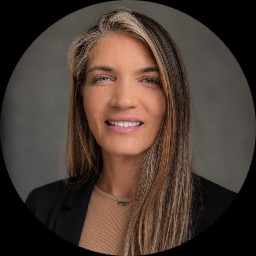
New York · 13 yrs exp
Calm, practical help for anxiety and stress
Stress, Anxiety · Self esteem · Depression · Coping with life changes · +8 more
Read profile
New York · 18 yrs exp
Calm-focused counselor for anxiety and life stress
Stress, Anxiety · Relationship · Parenting · Anger · +1 more
Read profile
New York · 28 yrs exp
Experienced, faith-informed counselor focused on practical change
Stress, Anxiety · Family · Grief · Depression · +4 more
Read profile
New York · 8 yrs exp
Supportive LCSW focused on practical change
Stress, Anxiety · Addictions · Trauma and abuse · Anger · +1 more
Read profile
New York · 23 yrs exp
Experienced New York LMHC focused on anxiety
Stress, Anxiety · Addictions · Career · Depression · +10 more
Read profile
New York · 25 yrs exp
Compassionate, practical support for life changes
Relationship · Grief · Stress, Anxiety · Depression · +1 more
Read profile
New York · 31 yrs exp
Compassionate care grounded in real-world tools
Stress, Anxiety · Relationship · Trauma and abuse · Self esteem · +1 more
Read profile
New York · 5 yrs exp
Calm guidance for anxiety and recovery
Stress, Anxiety · Addictions · Family · Self esteem · +1 more
Read profile
New York · 25 yrs exp
Calm support for anxious and overwhelmed people
Stress, Anxiety · Addictions · Trauma and abuse · Depression · +1 more
Read profile
New York · 6 yrs exp
Calm, direct support for anxiety and life change
Stress, Anxiety · Relationship · Trauma and abuse · Depression · +1 more
Read profile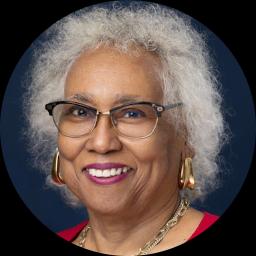
New York · 20 yrs exp
Calm, practical support for intense emotions
Addictions · LGBT · Relationship · Trauma and abuse · +1 more
Read profile
New York · 10 yrs exp
Practical, compassionate therapy for anxiety and stress
Stress, Anxiety · Relationship · Trauma and abuse · Self esteem · +1 more
Read profile
New York · 11 yrs exp
Calm, practical therapy for anxiety and life changes
Stress, Anxiety · Trauma and abuse · Career · Depression · +1 more
Read profile
New York · 4 yrs exp
Calm, practical support for anxious moments
Stress, Anxiety · Relationship · Grief · Depression · +1 more
Read profile
New York · 25 yrs exp
Steady support for anxiety and panic
Stress, Anxiety · Relationship · Family · Parenting · +1 more
Read profile
New York · 20 yrs exp
Compassionate LCSW helping people manage anxiety
Stress, Anxiety · Relationship · Grief · Self esteem · +1 more
Read profile
New York · 20 yrs exp
Experienced counselor for anxiety and stress
Stress, Anxiety · Relationship · Family · Depression · +1 more
Read profile
New York · 40 yrs exp
Steady, practical support for anxiety and life change
Stress, Anxiety · Relationship · Parenting · Self esteem · +1 more
Read profile
New York · 6 yrs exp
Compassionate, practical care for anxiety and mood
Stress, Anxiety · Grief · Self esteem · Bipolar · +1 more
Read profile
New York · 8 yrs exp
Compassionate, practical therapy for anxiety and family strain
Stress, Anxiety · Family · Trauma and abuse · Parenting · +1 more
Read profile
New York · 6 yrs exp
Grounded, practical therapy for anxious and overwhelmed people
Stress, Anxiety · Addictions · Relationship · Self esteem · +1 more
Read profile
New York · 12 yrs exp
Experienced LCSW helping with panic and anxiety
Stress, Anxiety · Relationship · Family · Parenting · +1 more
Read profile
New York · 6 yrs exp
Practical support for anxiety and life transitions
Stress, Anxiety · Relationship · Trauma and abuse · Grief · +1 more
Read profileIf panic attacks or ongoing anxiety are part of your life, you are not alone in seeking ways to feel steadier. You may be familiar with a racing heart, shortness of breath, dizziness or a sense of overwhelm that leads you to avoid places or situations. These experiences can be frightening on their own and can make it harder to reach out for help. If you notice chest pain, fainting, new or severe physical symptoms, you should see a medical professional right away to rule out a physical cause. Talk-based care listed on this directory is not emergency medical care and does not replace urgent treatment when that is needed.
On this New York page you can look at profiles to get a sense of different practitioners who list panic attacks and anxiety among their focus areas. Reading profiles can help you prepare questions about approach, experience and practical arrangements so you make an informed choice about who to contact next.
Profiles grouped under the New York listed location are collected so you can search by place, but the presence of a profile in this group does not prove an office address, physical proximity, ongoing practice in New York or current permission to work with you there. You should open individual profiles and confirm whether the clinician is legally able to provide care where you live. This is particularly important because practitioners in this directory come from the United States, the United Kingdom and Australia. In the United States that permission is usually indicated by a state license. In the United Kingdom and Australia similar concepts are described as registration or membership with professional bodies. A degree such as a PhD, PsyD, MD, MA or MSW is an academic credential and does not by itself establish current legal permission to practice.
When you read a profile, look for clear statements about the clinician's current registration, membership or state license, and ask directly if you need confirmation. The directory lists topics that practitioners include in their profiles, such as panic disorder or panic attacks, but that listing is not evidence of a specialist credential or a specific outcome. Use profiles as starting points for questions that matter to your circumstances.
When you contact someone whose profile seems like a possible match, prepare direct questions that help you evaluate fit. You can ask how much of their work focuses on panic or anxiety and what kinds of strategies they typically discuss with people who describe attacks or strong anxiety. If you see approaches listed on a profile, for example CBT or mindfulness, you can say that you noticed they list those approaches and invite the practitioner to describe what that looks like in sessions. Phrase questions so you are asking about their actual way of working rather than assuming training or certification - for example, ask whether they use exposure-based strategies or breathing and grounding skills with people who experience panic attacks, rather than asserting they are trained in a named method.
It is also reasonable to ask about the clinician's experience with concerns like yours, including any work with avoidance or with panic that happens in public settings. If medication is part of your current care, you can ask how the person coordinates with prescribing clinicians, keeping in mind that talk-based clinicians do not prescribe medication unless they hold medical licenses that authorize prescribing. If your needs include children, couples or family work, ask whether those topics are within the clinician's scope, since a listed focus on panic or anxiety does not automatically mean they work with all client types.
If you are considering remote sessions, there are practical and safety topics to address before you begin. Ask how the practitioner handles emergencies or if you need urgent medical attention during or after a session, and what local resources they recommend in New York or in your area. Confirm whether they have permission to provide care to people in your state or country and how time zones or scheduling are managed when clinicians and clients are in different places. Clarify the technology you will use and what to do if a connection fails, and ask about how they handle privacy in their communications and records so you know how your information will be treated during telehealth work.
It is important to be explicit about crises. Talk-based care is not a substitute for emergency services, so ask how a clinician expects to support you if you experience intense panic or thoughts of harming yourself, and whether they will coordinate with local emergency resources when needed. If you have an established medical provider, you may want to know how the clinician communicates with doctors or psychiatrists with your permission. These discussions help you plan for safety and for a clear chain of contact if symptoms escalate.
When you look across profiles, pay attention to the specific language practitioners use. Some will list panic attacks or panic disorder among their focus areas. Notice which therapeutic approaches they list, such as cognitive-behavioral work, exposure-based strategies, acceptance-oriented methods, mindfulness or other approaches. Remember that a listing of an approach on a profile does not establish formal certification in that approach; you can use that listing to ask the practitioner to describe how they use it in sessions.
Compare credentials carefully. In the United States you will often see a degree and a state license mentioned together. In the United Kingdom and Australia you may see registration or professional membership listed instead. Distinguish academic degrees - PhD, PsyD, MD, MA, MSW - from licensing or registration terms and ask any clinician to explain what their credentials mean in practical terms for permission to work with you. Language offerings can matter if you prefer to speak in a language other than English - note which languages are listed and ask about the clinician's comfort level conducting therapy in that language. Also consider how a clinician describes their therapeutic style - whether they emphasize practical skills, a reflective space for processing feelings, or collaborative goal-setting - and think about which style feels most likely to help you engage over time.
Finally, use concrete comparison questions as you read profiles and prepare to contact clinicians. Ask whether panic attacks are commonly a main focus of their work, how they integrate skill-building with emotional processing, how they support clients who worry about the next attack, and what kinds of homework or between-session practice they suggest. Ask how they coordinate care with other professionals, and whether they work with people across different age groups. These focused questions will help you move from reading profiles to deciding which clinicians to reach out to for an initial conversation.
Take your time reading profiles and gathering the information that matters most to you. Use the profile details to form concise questions about clinical approach, legal permission to practice where you live, languages and how crises are handled. If you have ongoing medical care, plan to share that context when you speak with a clinician so you can agree on coordination. Remember that a profile is an invitation to learn more, not a guarantee of fit, and that confirming permission to work together where you live is an essential step before beginning sessions. When you are ready, reach out using the contact details on the profile to begin a conversation and see whether the clinician is a match for your needs and preferences.
Addictions
1106 therapists
Chronic Illness
623 therapists
Chronic Pain
623 therapists
Control Issues
1558 therapists
Depression
3180 therapists
Grief
1868 therapists
Guilt and Shame
2657 therapists
Isolation / Loneliness
2494 therapists
Mood Disorders
2033 therapists
OCD
635 therapists
Panic Disorder and Panic Attacks
3797 therapists
Phobias
387 therapists
Post-Traumatic Stress
2361 therapists
Postpartum Depression
425 therapists
Self Esteem
2682 therapists
Sleeping Disorders
463 therapists
Social Anxiety and Phobia
2909 therapists
Somatization
150 therapists
Stress & Anxiety
3634 therapists
Trauma and Abuse
2467 therapists
Aging and Geriatric Issues
340 therapists
Attachment Issues
1720 therapists
Career
1021 therapists
Caregiver Issues and Stress
1313 therapists
Communication Problems
2808 therapists
Coping with Life Changes
2276 therapists
Family
1588 therapists
Life Purpose
2455 therapists
Money and Financial Issues
528 therapists
Parenting
1174 therapists
Pregnancy
468 therapists
Relationship
2298 therapists
Workplace Issues
1483 therapists