
Jeffrey Vollmer
LMHCIndiana · 20 yrs exp
Calm listening and practical steps to change
Relationship · Anger · Self esteem · Career · +8 more
Read profileTherapists in the United States, United Kingdom and Australia
Need help right now?Therapist listings are provided by BetterHelp. We will earn a commission at no additional cost to you if you use our links to purchase.
This page gathers profiles under the listed location Indiana for practitioners who list panic attacks and anxiety among their focus areas. Compare credentials, approaches, languages and areas of focus, and browse profiles; confirm details and permission to work together where you live before contacting anyone.
Indiana · 20 yrs exp
Calm listening and practical steps to change
Relationship · Anger · Self esteem · Career · +8 more
Read profile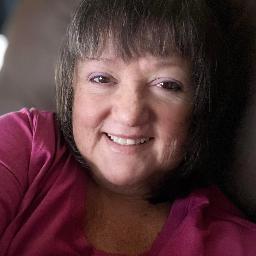
Indiana · 17 yrs exp
Hopeful, practical support for panic and anxiety
Stress, Anxiety · Family · Trauma and abuse · Self esteem · +10 more
Read profile
Indiana · 8 yrs exp
Practical, goal-focused mental health support
Stress, Anxiety · Family · Anger · Depression · +1 more
Read profile
Indiana · 10 yrs exp
Calm-focused, practical therapy for anxiety and stress
Stress, Anxiety · Addictions · Trauma and abuse · Anger · +1 more
Read profile
Indiana · 11 yrs exp
Compassionate support for panic and trauma
LGBT · Relationship · Trauma and abuse · Intimacy-related issues
Read profile
Indiana · 14 yrs exp
Calm support for anxiety and life changes
Stress, Anxiety · Family · Grief · Depression · +1 more
Read profile
Indiana · 38 yrs exp
Experienced LCSW focused on practical change
Stress, Anxiety · Addictions · Trauma and abuse · Anger · +10 more
Read profile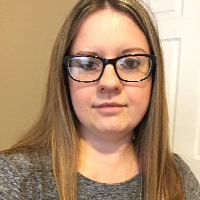
Indiana · 14 yrs exp
Practical support for anxiety and panic
Stress, Anxiety · Family · Trauma and abuse · Parenting · +12 more
Read profile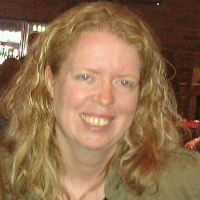
Indiana · 12 yrs exp
Compassionate, practical therapy for anxiety and life change
Stress, Anxiety · Relationship · Trauma and abuse · Depression · +13 more
Read profile
Indiana · 10 yrs exp
Practical, collaborative therapy for anxious moments
Stress, Anxiety · Self esteem · Depression · Coping with life changes · +10 more
Read profile
Indiana · 9 yrs exp
Practical, compassionate support for anxiety and life change
Stress, Anxiety · Addictions · Self esteem · Depression · +12 more
Read profile
Indiana · 20 yrs exp
Warm marriage and family therapist focused on relationships
Relationship · Family · Trauma and abuse · Grief · +9 more
Read profile
Indiana · 11 yrs exp
Compassionate care for anxiety and life changes
Stress, Anxiety · LGBT · Trauma and abuse · Grief · +13 more
Read profile
Indiana · 35 yrs exp
Calm guidance for anxiety and life changes
Stress, Anxiety · Anger · Self esteem · Depression · +10 more
Read profile
Indiana · 20 yrs exp
Warm clinician for anxiety and life change
Stress, Anxiety · Parenting · Self esteem · Depression · +11 more
Read profile
Indiana · 25 yrs exp
Calm support for stress and anxiety
Stress, Anxiety · Relationship · Trauma and abuse · Depression · +11 more
Read profile
Indiana · 30 yrs exp
Therapist focused on practical anxiety support
Stress, Anxiety · Trauma and abuse · Grief · Intimacy-related issues · +14 more
Read profile
Indiana · 29 yrs exp
Compassionate counselor for anxious and overwhelmed adults
Addictions · Relationship · Trauma and abuse · Grief · +10 more
Read profile
Indiana · 26 yrs exp
Compassionate therapist focused on practical change
Stress, Anxiety · Relationship · Family · Trauma and abuse · +1 more
Read profile
Indiana · 29 yrs exp
Experienced counselor with practical focus
Stress, Anxiety · Addictions · Relationship · Depression · +11 more
Read profile
Indiana · 40 yrs exp
Warm, practical LCSW for anxiety and transitions
Stress, Anxiety · Relationship · Grief · Self esteem · +9 more
Read profile
Indiana · 10 yrs exp
Calm, practical therapy for anxious moments
Stress, Anxiety · Parenting · Bipolar · Depression · +12 more
Read profile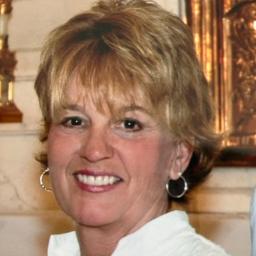
Indiana · 26 yrs exp
Experienced Indiana LCSW guiding steady progress
Stress, Anxiety · Grief · Self esteem · Depression · +4 more
Read profile
Indiana · 19 yrs exp
Calm, practical support for daily struggles
Stress, Anxiety · Addictions · Self esteem · Depression · +9 more
Read profileWhen panic attacks happen, they often arrive suddenly and can be frightening in the moment. You might notice a racing heart, a sense of breathlessness or tightness in the chest, dizziness, sweating, trembling or a feeling that you could lose control. Some people describe intense waves of fear that come with a heightened awareness of bodily sensations and a strong urge to escape the situation. Over time, those experiences can lead you to avoid places, activities or people that feel linked to past attacks, and that avoidance can make daily life narrower and more stressful.
It is important to pay attention to new or worsening physical symptoms. Chest pain, fainting, or other acute signs should be evaluated by a doctor first. Talk therapy, including sessions listed in these profiles, is not emergency or medical care. If you are worried about immediate danger or severe symptoms, contact local emergency services or crisis resources in your area.
Reading profiles on this page can help you think about what you want from care - whether you are looking for someone to help with short-term coping strategies, to explore patterns that contribute to anxiety, or to support gradual steps toward activities you have avoided. The language therapists use in their profiles can give you an initial sense of fit, but specific scope and approach are best discussed directly.
The listed location groups profiles under Indiana for browsing convenience, but it does not guarantee an office address, ongoing local practice, or legal permission to provide services in every county. Check each profile for details and confirm with the practitioner that they are able to work with you where you live. Laws and professional rules differ by country and state, and that affects who can offer care across borders or across state lines.
Degrees such as PhD, PsyD, MD, MA and MSW indicate academic qualifications or clinical training pathways but do not by themselves prove current permission to practice. In the United States, look for evidence of state licensing such as psychologist licensure, licensed clinical social worker, licensed professional counselor or marriage and family therapist registration as applicable. In the United Kingdom and Australia you may see references to registration, association membership or professional bodies rather than US-style licenses. Those terms mean different things in different places, so ask where a given credential is active and whether the practitioner is authorized to provide the care you need in your location.
Profiles often mix degrees, license abbreviations and listed approaches. When you read a profile, separate academic degrees from the legal permission or registration that allows someone to practice in a jurisdiction. If a profile is unclear, a simple direct question will clarify whether a practitioner can work with you under current rules where you live.
When you contact a practitioner, framing specific comparison questions helps you learn how they work and whether that matches your needs. You could ask how they typically approach panic-related concerns, for example: do they describe their work in terms of cognitive strategies, exposure to feared sensations or situations, relaxation and breathing skills, or trauma-focused methods? You might ask therapists who list EMDR among their approaches to explain how they would adapt that approach for someone experiencing panic, remembering that listing an approach on a profile is not the same as a formal certification.
Ask about their experience with people who have experiences similar to yours, such as frequent panic attacks, long-term anticipatory anxiety, or panic that occurs alongside depression or health-related worries. If age, cultural background or language access matter to you, ask how many clients they have worked with in similar circumstances and what they learned from those experiences. You can also ask practical questions about session structure, such as how they typically use early sessions, how they set goals, and how they measure progress in ways that matter to you.
If you take medication or are considering it, ask how the practitioner typically coordinates with prescribing clinicians. Avoid expecting medication advice from a non-prescribing therapist; instead ask how they work alongside physicians or psychiatrists if collaborative care is needed. These kinds of targeted questions will help you compare profiles on the basis of approach and real-world experience rather than general statements.
If you are considering online sessions or in-person meetings, talk about practical and safety-related topics before you start. Confirm the practitioner can legally provide services to you in Indiana or in your country if you are outside the United States. Discuss how to handle emergencies or moments of severe distress - online talk therapy is not a substitute for emergency medical services. Ask what steps the clinician recommends if a panic attack escalates during a session, and whether they have a plan for connecting you with local crisis resources if needed.
It helps to set expectations about session logistics and the environment. For online care, arrange a private space where you feel comfortable and will not be interrupted. If you plan in-person visits, confirm the address and whether the practitioner’s office is in the listed location. Ask about typical session length, how often people usually meet early on, and what you might do between sessions to practice skills. These topics are practical, and asking about them will give you reassurance about how the work will fit into your life.
Finally, be clear about what you want to accomplish. Saying whether your main priority is reducing the intensity of attacks, increasing confidence to re-enter avoided situations, or improving day-to-day coping will help the practitioner explain how they might approach those goals and whether they think the match is appropriate.
Comparing profiles is most useful when you look at several dimensions together. Focus areas tell you whether someone explicitly mentions panic, panic disorder or anxiety, but listing a focus area does not prove a particular scope of practice. Languages listed on a profile are important if you prefer to speak in your first language or need clinical terminology explained in a certain way; ask whether therapy will be offered in your preferred language and whether interpretation support is available if needed.
Credentials and degrees provide different kinds of information. A PhD or PsyD signals advanced academic training in psychology, an MD indicates medical training, and an MSW or MA reflects particular graduate study paths. Licensing or registration shows the jurisdictions where a clinician is authorized to practice. Profiles often indicate both degrees and legal standing; when comparing, focus on where the license or registration is active and whether that aligns with your location.
Style and personal fit are harder to read from a profile but matter a great deal. Some practitioners describe themselves as more directive, focusing on specific skills and homework; others emphasize exploratory work that looks at life patterns and meaning. To compare style, ask how they describe a typical session, how they set goals with clients, and how they involve you in tailoring the approach. Also ask whether a listed topic implies work with children, couples or families if that is relevant to you, because a listed topic alone does not establish scope in those areas.
As you browse, keep notes on which profiles raise useful questions for you. Reach out to ask those questions directly, and use initial conversations to confirm permission to work together where you live and to get a clearer sense of fit. Taking a thoughtful, comparison-based approach can make it easier to find a practitioner whose methods, credentials and communication style match what you need right now.
Addictions
1106 therapists
Chronic Illness
623 therapists
Chronic Pain
623 therapists
Control Issues
1558 therapists
Depression
3180 therapists
Grief
1868 therapists
Guilt and Shame
2657 therapists
Isolation / Loneliness
2494 therapists
Mood Disorders
2033 therapists
OCD
635 therapists
Panic Disorder and Panic Attacks
3797 therapists
Phobias
387 therapists
Post-Traumatic Stress
2361 therapists
Postpartum Depression
425 therapists
Self Esteem
2682 therapists
Sleeping Disorders
463 therapists
Social Anxiety and Phobia
2909 therapists
Somatization
150 therapists
Stress & Anxiety
3634 therapists
Trauma and Abuse
2467 therapists
Aging and Geriatric Issues
340 therapists
Attachment Issues
1720 therapists
Career
1021 therapists
Caregiver Issues and Stress
1313 therapists
Communication Problems
2808 therapists
Coping with Life Changes
2276 therapists
Family
1588 therapists
Life Purpose
2455 therapists
Money and Financial Issues
528 therapists
Parenting
1174 therapists
Pregnancy
468 therapists
Relationship
2298 therapists
Workplace Issues
1483 therapists