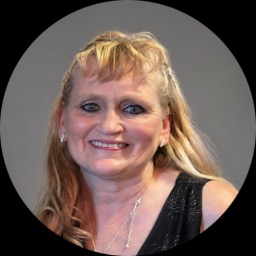
Roxanne Rose
LCSWNorth Dakota · 31 yrs exp
Calm, practical support for anxiety and stress
Stress, Anxiety · Relationship · Trauma and abuse · Grief · +1 more
Read profileTherapists in the United States, United Kingdom and Australia
Need help right now?Therapist listings are provided by BetterHelp. We will earn a commission at no additional cost to you if you use our links to purchase.
Compare profiles of clinicians who list panic attacks and anxiety at this listed location in North Dakota. Browse differences in focus areas, approaches, languages and credentials, and check each profile to confirm whether the practitioner can work with you where you live.
North Dakota · 31 yrs exp
Calm, practical support for anxiety and stress
Stress, Anxiety · Relationship · Trauma and abuse · Grief · +1 more
Read profile
North Dakota · 13 yrs exp
Experienced LCSW focused on practical support
Stress, Anxiety · Trauma and abuse · Depression · Coping with life changes · +10 more
Read profile
North Dakota · 40 yrs exp
Practical support for anxiety and life changes
Stress, Anxiety · Grief · Depression · Coping with life changes · +1 more
Read profile
North Dakota · 28 yrs exp
Experienced therapist supporting anxiety and panic
Stress, Anxiety · Relationship · Trauma and abuse · Self esteem · +1 more
Read profileIf you live with panic attacks or the ongoing fear of one, you are likely familiar with sudden surges of intense fear and physical symptoms that arrive without obvious warning. Many people describe a racing heart, breathlessness, dizziness, trembling, sweating or a sense of detachment - sensations that can feel overwhelming and frightening in the moment. You might find yourself avoiding places or activities because you worry about having another attack. Those reactions are common responses to intense anxiety, and learning how different clinicians talk about and work with those experiences can help you choose someone whose approach feels understandable and respectful.
It is important to check any new or severe physical symptoms with a medical professional. Chest pain, fainting, shortness of breath that is different from your usual panic symptoms or other new signs should be evaluated by a doctor before you attribute them to anxiety. Also keep in mind that online talk care is not emergency or medical care. If you are in immediate danger or experiencing a medical emergency, contact local emergency services right away rather than seeking help through a directory profile or a routine appointment.
The listed location on a profile groups practitioners by geography, but it does not guarantee an office address or that a clinician is permitted to work with every resident there. When you review a profile, look for explicit statements about where the clinician can legally provide care and ask them directly to confirm permission to work with you in your state, region or country. This is particularly important when a directory includes professionals from the United States, the United Kingdom and Australia, because the rules and terminology differ across those systems.
In the United States, practitioners commonly hold a professional license issued by a state - for example, clinical social work, marriage and family therapy, professional counseling or psychology licenses. A degree such as PhD, PsyD, MD, MA or MSW indicates academic training but does not by itself demonstrate current permission to practice. In the United Kingdom and Australia, you may see references to registration or membership with a professional body rather than a state license. Profiles may list both academic degrees and the registration or membership status that indicates whether a clinician is recognized by a relevant professional organization. Always read how a profile describes degrees and credentials, and ask the clinician to clarify what those credentials mean in terms of their current permission to practice in your area.
When panic attacks are part of your concern, it is helpful to ask clear, specific questions so you can compare how different clinicians describe their work. You might start by asking whether panic attacks or panic disorder are listed among their focus areas, and how they typically explain and address the physical symptoms you experience. Ask which therapeutic approaches they list on their profile - for example cognitive-behavioral strategies, exposure-based work, mindfulness-informed approaches, acceptance-based techniques or other methods - and frame the question as a request for description: how do they use these approaches when someone’s primary concern is panic?
It is also appropriate to ask about the populations they work with and the settings they describe on their profile. Does the clinician list experience with adults, older adults or other age groups? Do they note work with trauma-related symptoms, health anxiety or conditions that often co-occur with panic? If language is important to you, ask which languages they offer and whether interpretation or translation services are used. You can inquire about the kinds of outcomes they typically focus on and how they measure progress, but avoid expecting guarantees; clinicians will describe approaches and intentions rather than promise specific results. These concrete questions make it easier to compare profiles and to identify which clinicians you want to contact for a conversation about fit.
If you are considering online or remote sessions, a conversation about logistics and safety is essential before you begin. Ask how the clinician manages situations when you feel overwhelmed between sessions and what plan they recommend for urgent concerns. Clarify whether they can offer care to someone who lives in North Dakota and confirm any regional limits that affect their permission to practice. Discuss where you would be located during sessions, because some clinicians can only provide care when you are physically in certain states or countries.
Talk about the technology you will use and what to expect if a connection is lost. Ask about the clinician’s approach to privacy and how they create a comfortable, personal setting for online work. You may want to know whether sessions are audio only or include video, whether notes are kept about sessions and how those notes are described in the profile. It is reasonable to ask how the clinician handles emergency situations and whether they have a local resource plan or crisis contacts in your area. Clarifying these practical matters ahead of time helps you feel more prepared and reduces uncertainty when you begin.
Comparing profiles is most useful when you look at several dimensions at once rather than relying on a single label. Start with whether a profile lists panic attacks or panic disorder among its focus areas and read the clinician’s description of what that focus means in practice. Next, consider the therapeutic approaches they list; remember to phrase this as what they describe using rather than assuming training. For example, a profile may list cognitive-behavioral tools, exposure work, mindfulness-based strategies or other techniques - therapists who list EMDR or other approaches among their options may describe when those approaches are used and for whom.
Language and cultural fit can be important. If you prefer to speak in a language other than English, check which languages are listed and how the clinician describes cultural competence or experience working with communities similar to yours. Look at credentials and the combination of degree and professional permission to practice. A profile that shows a PhD, PsyD, MD, MA or MSW alongside a clear statement about licensure, registration or membership for the relevant country offers more information than a degree alone. Finally, read the clinician’s tone and style on the profile - some practitioners emphasize a collaborative, skills-based approach while others describe a reflective or exploratory style. If a profile leaves questions, contact the clinician and ask the concrete things that matter to you: do they list panic attacks as a focus, can they work with you where you live, which approaches do they describe using for panic, and what language and population experience do they bring?
Remember that a listed topic does not establish that a clinician treats children, couples or families, or that they offer specific formats. Use the profile as a starting point for a direct conversation about fit, and confirm permission to work together in your location before scheduling ongoing sessions. Taking these steps can help you find a clinician whose way of working and practical details align with your needs as you manage panic attacks and anxiety.
Addictions
1106 therapists
Chronic Illness
623 therapists
Chronic Pain
623 therapists
Control Issues
1558 therapists
Depression
3180 therapists
Grief
1868 therapists
Guilt and Shame
2657 therapists
Isolation / Loneliness
2494 therapists
Mood Disorders
2033 therapists
OCD
635 therapists
Panic Disorder and Panic Attacks
3797 therapists
Phobias
387 therapists
Post-Traumatic Stress
2361 therapists
Postpartum Depression
425 therapists
Self Esteem
2682 therapists
Sleeping Disorders
463 therapists
Social Anxiety and Phobia
2909 therapists
Somatization
150 therapists
Stress & Anxiety
3634 therapists
Trauma and Abuse
2467 therapists
Aging and Geriatric Issues
340 therapists
Attachment Issues
1720 therapists
Career
1021 therapists
Caregiver Issues and Stress
1313 therapists
Communication Problems
2808 therapists
Coping with Life Changes
2276 therapists
Family
1588 therapists
Life Purpose
2455 therapists
Money and Financial Issues
528 therapists
Parenting
1174 therapists
Pregnancy
468 therapists
Relationship
2298 therapists
Workplace Issues
1483 therapists