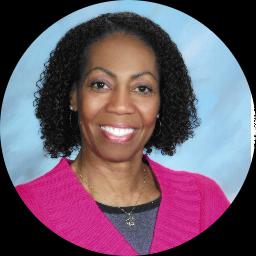
Deirdre Owens
LCPCNevada · 5 yrs exp
Calm, practical support for anxiety and stress
Stress, Anxiety · Family · Grief · Self esteem · +1 more
Read profileTherapists in the United States, United Kingdom and Australia
Need help right now?Therapist listings are provided by BetterHelp. We will earn a commission at no additional cost to you if you use our links to purchase.
This page groups profiles listed in Nevada for clinicians who include panic attacks and anxiety among their focus areas. Compare focus areas, approaches, credentials, languages and experience, then open individual profiles to learn more and confirm the clinician's permission to work with you where you live.
Nevada · 5 yrs exp
Calm, practical support for anxiety and stress
Stress, Anxiety · Family · Grief · Self esteem · +1 more
Read profile
Nevada · 35 yrs exp
Calm, practical therapy for anxiety and sexual concerns
Stress, Anxiety · LGBT · Trauma and abuse
Read profile
Nevada · 6 yrs exp
Compassionate support for anxiety and life changes
Stress, Anxiety · Trauma and abuse · Self esteem · Depression · +1 more
Read profile
Nevada · 13 yrs exp
Compassionate support for anxiety and life transitions
Stress, Anxiety · Addictions · Anger · Self esteem · +1 more
Read profile
Nevada · 6 yrs exp
Therapist focused on practical anxiety support
Stress, Anxiety · Trauma and abuse · Anger · Depression · +1 more
Read profile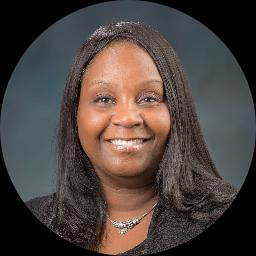
Nevada · 18 yrs exp
Calm, practical support for life’s hardest moments
Stress, Anxiety · Relationship · Family · Parenting · +1 more
Read profile
Nevada · 3 yrs exp
Compassionate social worker focused on practical coping
Stress, Anxiety · Grief · Self esteem · Addictions · +13 more
Read profile
Nevada · 17 yrs exp
Calm, practical psychotherapy for anxiety
Stress, Anxiety · Relationship · Family · Trauma and abuse · +8 more
Read profile
Nevada · 3 yrs exp
Calm, practical support for anxious moments
Stress, Anxiety · Trauma and abuse · Self esteem · Depression · +1 more
Read profile
Nevada · 26 yrs exp
Calm, practical therapy for panic and trauma
Addictions · Relationship · Trauma and abuse · Anger · +1 more
Read profile
Nevada · 19 yrs exp
Practical, compassionate support for anxiety and life change
Stress, Anxiety · Trauma and abuse · Self esteem · Depression · +1 more
Read profile
Nevada · 7 yrs exp
Compassionate therapist for anxiety and life transitions
Stress, Anxiety · Relationship · Trauma and abuse · Self esteem · +3 more
Read profile
Nevada · 3 yrs exp
Compassionate LCSW for practical coping
Self esteem · Career · Depression · Coping with life changes · +1 more
Read profile
Nevada · 10 yrs exp
Practical, affirming therapy for anxiety and focus
Stress, Anxiety · LGBT · Relationship · Self esteem · +1 more
Read profile
Nevada · 5 yrs exp
Hopeful, practical support for anxious and grieving minds
Stress, Anxiety · Trauma and abuse · Grief · Anger · +1 more
Read profile
Nevada · 4 yrs exp
Compassionate support for anxiety and panic
Stress, Anxiety · Trauma and abuse · Self esteem · Bipolar · +1 more
Read profilePanic attacks can feel sudden and overwhelming. You might notice a racing heart, breathlessness or a sense that something bad is about to happen. Many people also describe dizziness, sweating, tingling or a strong urge to escape situations that feel triggering. These reactions can lead to avoidance of places or activities where you fear an attack may occur, which in turn can make everyday life harder.
If you have new or severe chest pain, fainting, or other concerning physical symptoms, it is important to check those with a medical professional first. Talk-based support is not emergency medical care. If you believe you are in immediate danger or are having a medical emergency, contact local emergency services right away. When you are exploring care for panic-related concerns, it helps to notice which sensations and situations trouble you most so you can discuss them with a clinician.
Profiles on this page are grouped under the listed location Nevada, which is a way to help you search. A listed location does not, by itself, prove that a clinician maintains an office, has an active license in Nevada, or can legally work with you where you are. Always open the individual profile and confirm the clinician's permission to work with clients located in your state or country before making plans.
Degrees and professional permission to practice are different things. Academic degrees such as PhD, PsyD, MD, MA or MSW describe educational achievement but do not guarantee current permission to practice. In the United States, clinicians usually hold a state license that grants authority to provide care. In the United Kingdom clinicians may show registration or membership with professional bodies. In Australia clinicians may list registration or membership as well. Look for explicit statements on a profile about current permission to work with people in your jurisdiction, and when in doubt ask the clinician directly.
When you preview a profile, think about asking concrete questions so you can compare how different clinicians frame their work. You can ask how they describe their experience helping people with panic-related symptoms, how long they have worked with adults who experience recurrent panic or avoidance, and what kinds of outcomes or goals they typically focus on in collaboration with clients. Ask which populations they work with - for example adults, adolescents or older adults - because a listed focus does not necessarily mean they work with every age group or with couples and families.
Profiles often list therapeutic approaches. You might find names like cognitive behavioral approaches, exposure-based strategies, mindfulness, acceptance-focused ideas, or approaches related to trauma work. Remember that a listed approach indicates what a clinician notes among their methods, not proof of formal certification. A helpful question is: which approach would you typically discuss first with someone who is frightened of a next attack, and how do you adapt it to the person in front of you? You can also ask for examples of how they help with avoidance or with learning to manage intense physical sensations.
If you are considering working with someone who is not physically near you, clarify practical and safety matters in advance. Ask whether the clinician can legally and ethically work with clients located in Nevada or in your current location. Discuss how they handle urgent situations if you are experiencing a severe panic response between sessions, and whether they have a plan that fits where you live. Online talk therapy is not a substitute for emergency medical care, so make sure you understand who to contact locally if a medical or psychiatric emergency occurs.
It is also reasonable to ask how they handle notes and personal information, what technology is used for sessions, and what to expect if a connection drops during a meeting. Talk about session length, goals you both agree on, and how you will evaluate progress together. If language or cultural background matters to you, request clarification on language fluency and experience working with similar backgrounds. Clear communication about these topics helps you choose a clinician whose working style fits your needs.
When you compare profiles, look at several areas that matter to your day-to-day needs. Start with the focus areas a clinician lists and read how they describe their work with panic attacks and anxiety. Ask whether they highlight experience with avoidance, bodily symptoms, or situational triggers that match what you face. Next, check languages spoken and cultural competencies if communicating in your preferred language is important. Language can affect how comfortable you feel describing sensitive sensations and fears.
Compare credentials carefully by reading both degrees and statements about permission to practice. A PhD or PsyD indicates doctoral training, an MD denotes medical training, and MA or MSW describe masters-level education. None of these alone prove current permission to practice where you are. Look for explicit wording about state licenses, UK registration or Australian registration or membership when relevant to your location. Finally, think about style - whether a clinician emphasizes short-term symptom-focused work, longer-term exploration of patterns, or skills-based coaching. Concrete comparison questions include: Do you work with adults in Nevada? What typical first steps do you take when someone comes with panic attacks? Which language will sessions be in? How do you handle urgent needs between sessions? Asking these questions on a profile page or in a first contact will help you decide which clinicians to learn more about.
Remember that the directory notes that each clinician on this Nevada page lists panic disorder and panic attacks among their additional focus areas. That listing is not evidence of specialist certification, a particular therapy method, diagnostic services, treatment outcomes, or suitability for any reader. Use profiles to gather information, then reach out to clinicians to confirm details that matter to you before making a decision about care.
Addictions
1106 therapists
Chronic Illness
623 therapists
Chronic Pain
623 therapists
Control Issues
1558 therapists
Depression
3180 therapists
Grief
1868 therapists
Guilt and Shame
2657 therapists
Isolation / Loneliness
2494 therapists
Mood Disorders
2033 therapists
OCD
635 therapists
Panic Disorder and Panic Attacks
3797 therapists
Phobias
387 therapists
Post-Traumatic Stress
2361 therapists
Postpartum Depression
425 therapists
Self Esteem
2682 therapists
Sleeping Disorders
463 therapists
Social Anxiety and Phobia
2909 therapists
Somatization
150 therapists
Stress & Anxiety
3634 therapists
Trauma and Abuse
2467 therapists
Aging and Geriatric Issues
340 therapists
Attachment Issues
1720 therapists
Career
1021 therapists
Caregiver Issues and Stress
1313 therapists
Communication Problems
2808 therapists
Coping with Life Changes
2276 therapists
Family
1588 therapists
Life Purpose
2455 therapists
Money and Financial Issues
528 therapists
Parenting
1174 therapists
Pregnancy
468 therapists
Relationship
2298 therapists
Workplace Issues
1483 therapists