
Jacqueline Beck-Jacobson
LPC, LMHPNebraska · 23 yrs exp
Compassionate counselor focusing on practical skills
Stress, Anxiety · Trauma and abuse · Self esteem · Depression · +12 more
Read profileTherapists in the United States, United Kingdom and Australia
Need help right now?Therapist listings are provided by BetterHelp. We will earn a commission at no additional cost to you if you use our links to purchase.
Browse and compare profiles of therapists who list panic attacks and anxiety in the listed location Nebraska, focusing on approaches, focus areas, languages and credentials.
Check each profile and confirm a therapist's permission to work with you where you live before reaching out.
Nebraska · 23 yrs exp
Compassionate counselor focusing on practical skills
Stress, Anxiety · Trauma and abuse · Self esteem · Depression · +12 more
Read profile
Nebraska · 16 yrs exp
Supportive LMHP using practical, skills-based therapy
Stress, Anxiety · Addictions · Trauma and abuse · Bipolar · +8 more
Read profile
Nebraska · 13 yrs exp
Compassionate, practical mental health guidance
Stress, Anxiety · Trauma and abuse · Parenting · Depression · +1 more
Read profile
Nebraska · 4 yrs exp
Compassionate, practical support for anxiety and life stress
Stress, Anxiety · Addictions · Relationship · Trauma and abuse · +1 more
Read profile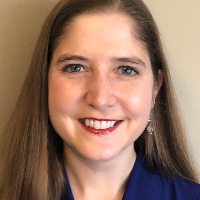
Nebraska · 11 yrs exp
Practical, present-focused help for anxiety and life changes
Stress, Anxiety · Relationship · Family · Grief · +13 more
Read profile
Nebraska · 8 yrs exp
Compassionate, pragmatic care for everyday struggles
Stress, Anxiety · Parenting · Anger · Depression · +9 more
Read profile
Nebraska · 9 yrs exp
Practical, direct counseling focused on goals
Addictions · Trauma and abuse · Self esteem · Bipolar · +9 more
Read profile
Nebraska · 3 yrs exp
Calm, practical support for stress and anxiety
Stress, Anxiety · Parenting · Self esteem · Depression · +12 more
Read profile
Nebraska · 4 yrs exp
Compassionate, practical support for anxiety
Stress, Anxiety · Grief · Self esteem · Career · +5 more
Read profile
Nebraska · 32 yrs exp
Practical guidance for relationship and life changes
Relationship · Family · Parenting · Depression · +1 more
Read profile
Nebraska · 35 yrs exp
Compassionate support for everyday struggles
Stress, Anxiety · Addictions · Relationship · Depression · +11 more
Read profile
Nebraska · 10 yrs exp
Creative, practical support for anxiety and stress
Stress, Anxiety · LGBT · Trauma and abuse · Self esteem · +1 more
Read profile
Nebraska · 12 yrs exp
Calm, practical support for anxious moments
Stress, Anxiety · Addictions · Relationship · Depression · +1 more
Read profile
Nebraska · 8 yrs exp
Practical support for anxiety and life changes
Stress, Anxiety · Trauma and abuse · Anger · Depression · +1 more
Read profile
Nebraska · 12 yrs exp
Focused support for panic and mood concerns
Trauma and abuse · Sleeping · Anger · Bipolar · +1 more
Read profile
Nebraska · 3 yrs exp
Calm, practical support for everyday struggles
Stress, Anxiety · Relationship · Trauma and abuse · Self esteem · +1 more
Read profile
Nebraska · 25 yrs exp
Hopeful practical support for anxiety and life changes
Stress, Anxiety · Addictions · Relationship · Trauma and abuse · +1 more
Read profile
Nebraska · 3 yrs exp
Calm, practical support for anxious minds
Stress, Anxiety · Trauma and abuse · Self esteem · Depression · +1 more
Read profile
Nebraska · 3 yrs exp
Helping people find clearer, calmer days
Trauma and abuse · Depression
Read profileIf you live with panic attacks or the fear of the next one, you are likely familiar with sudden episodes of intense fear that may include a racing heart, breathlessness, dizziness or an urge to avoid places where an attack happened before. People describe a sense of being out of control, sensations in the chest, sweating, trembling or a strong urge to escape. Those experiences are frightening, and they also affect how you plan your days, who you go out with and what situations you might avoid.
When you look at therapist profiles in Nebraska, consider how each professional describes their experience with panic or anxiety. Some profiles name particular symptoms or common patterns they work with, while others describe broader anxiety-related work. Keep in mind that chest pain or new physical symptoms should be checked by a doctor first; online talk therapy is not emergency or medical care. You can use initial profile details to form questions about how a clinician typically supports people with panic-related symptoms and how they address avoidance, breathing changes and panic-related worry.
Profiles on this site are grouped under the listed location Nebraska, but that grouping does not by itself confirm an office address or prove a license for practice in that place. When you review a profile, look closely at the credential section and any notes about where the clinician practices. In the United States, many professionals will list state licenses or commonly used acronyms that indicate licensure, while in the United Kingdom and Australia clinicians may reference professional registration or membership in recognized associations. Academic degrees such as PhD, PsyD, MD, MA or MSW show education, but a degree alone does not establish current permission to practice.
Your next step is to ask about current authorization to provide care where you live. For cross-border or telehealth arrangements you should confirm that the therapist is permitted to work with Nebraska residents, or with people in your specific state if you live outside Nebraska. Profiles may include degrees, credential shorthand and brief descriptions of focus areas; use those items to guide direct questions rather than assuming a particular status from a degree entry alone.
When you reach out to someone whose profile seems like a match, having specific questions will help you understand whether their ways of working align with your needs. You might ask how they describe panic attacks in their practice and what kinds of strategies they typically discuss first. If you are curious about particular approaches, phrase it as a conversation starter - for example, you can ask whether they are comfortable using exposure-based steps, breath-awareness techniques, cognitive strategies or mindfulness-related practices, and if they often adapt those options for people dealing with panic. Frame the question to learn whether the clinician lists those approaches among the methods they use, rather than assuming training or certification.
It is also useful to ask about the clinician's experience with situations similar to yours. You could ask about the age ranges they commonly work with, whether they have experience supporting people who avoid specific situations because of panic, and how they typically structure early sessions when panic is the main concern. Practical questions about session length, communication style and how progress is discussed will help you build a clearer picture of day-to-day therapy work, but remember that profiles only provide snapshots - a brief conversation will clarify fit.
If you plan to work remotely, there are important practical and safety topics to bring up before starting. Confirm that the clinician has permission to work with people in your location and understand how they handle urgent matters. Because online talk therapy is not emergency or medical care, ask what their plan is for crisis situations and how they coordinate with local emergency services if an urgent need arises. You should also discuss the technology they use, any expectations about session interruptions, and how they handle notes, records and consent. These are reasonable administrative details that clarify how sessions will run.
Privacy and boundaries are also important to cover. Ask where the therapist expects you both to be located geographically during a session, and whether there are expectations about being in a private space during calls. Clarify how they will communicate between sessions, including what kinds of messages are appropriate and if there are limits on response times. These conversations help prevent surprises and ensure that you and the clinician are aligned on practicalities before therapy begins.
As you compare profiles in Nebraska, weigh several concrete dimensions rather than relying on a single line in a profile. Look at the focus areas to see whether panic attacks, panic disorder or anxiety-related avoidance appear among the clinician's stated interests. Note the languages a clinician lists if communicating in your first language or a preferred language matters to you. Check the credentials section to distinguish degrees from licenses or registrations and to see whether a clinician references membership in professional bodies - then confirm details directly.
Therapeutic style is another important factor. Some profiles emphasize a collaborative, skills-based approach while others highlight exploration of underlying patterns and meaning. If you prefer a pragmatic, step-by-step plan for addressing panic symptoms, ask how the clinician structures that work. If you want a more exploratory style, ask how they support people in connecting current panic to life context. Remember that a listed focus area is not evidence of specialist certification. Use the profile as a starting point for questions about how they work, how they handle setbacks, and how they tailor their approach to your specific situation. Always confirm the clinician's permission to work with you where you live, and reach out to your medical provider if you experience new or severe physical symptoms.
Addictions
1106 therapists
Chronic Illness
623 therapists
Chronic Pain
623 therapists
Control Issues
1558 therapists
Depression
3180 therapists
Grief
1868 therapists
Guilt and Shame
2657 therapists
Isolation / Loneliness
2494 therapists
Mood Disorders
2033 therapists
OCD
635 therapists
Panic Disorder and Panic Attacks
3797 therapists
Phobias
387 therapists
Post-Traumatic Stress
2361 therapists
Postpartum Depression
425 therapists
Self Esteem
2682 therapists
Sleeping Disorders
463 therapists
Social Anxiety and Phobia
2909 therapists
Somatization
150 therapists
Stress & Anxiety
3634 therapists
Trauma and Abuse
2467 therapists
Aging and Geriatric Issues
340 therapists
Attachment Issues
1720 therapists
Career
1021 therapists
Caregiver Issues and Stress
1313 therapists
Communication Problems
2808 therapists
Coping with Life Changes
2276 therapists
Family
1588 therapists
Life Purpose
2455 therapists
Money and Financial Issues
528 therapists
Parenting
1174 therapists
Pregnancy
468 therapists
Relationship
2298 therapists
Workplace Issues
1483 therapists