
Tamara Clark
LPCOklahoma · 26 yrs exp
Calm, practical counseling for anxiety and stress
Stress, Anxiety · Addictions · Trauma and abuse · Bipolar · +1 more
Read profileTherapists in the United States, United Kingdom and Australia
Need help right now?Therapist listings are provided by BetterHelp. We will earn a commission at no additional cost to you if you use our links to purchase.
Use these Oklahoma profiles to compare therapists who list panic attacks and anxiety and to learn what to ask before contacting someone. Review credentials, approaches, languages and the clinician's listed location as a starting point.
When you find profiles that match your needs, follow the links to read more about each professional and confirm that they can work with you where you live.
Oklahoma · 26 yrs exp
Calm, practical counseling for anxiety and stress
Stress, Anxiety · Addictions · Trauma and abuse · Bipolar · +1 more
Read profile
Oklahoma · 30 yrs exp
Calm support for anxiety and life's challenges
Stress, Anxiety · Family · Trauma and abuse · Grief · +6 more
Read profile
Oklahoma · 27 yrs exp
Calm guidance for anxiety and life challenges
Stress, Anxiety · Trauma and abuse · Career · Depression · +11 more
Read profile
Oklahoma · 7 yrs exp
Compassionate care for anxiety and panic
Stress, Anxiety · Addictions · Trauma and abuse · Anger · +2 more
Read profile
Oklahoma · 7 yrs exp
Compassionate, practical therapy for intense stress
Stress, Anxiety · Trauma and abuse · Self esteem · Depression · +1 more
Read profile
Oklahoma · 13 yrs exp
Hopeful, practical support for anxiety and relationships
Stress, Anxiety · Relationship · Trauma and abuse · Self esteem · +1 more
Read profile
Oklahoma · 4 yrs exp
Calm, practical therapy for anxious days
Stress, Anxiety · Relationship · Grief · Depression · +1 more
Read profile
Oklahoma · 22 yrs exp
Calm, steady support for anxious moments
Stress, Anxiety · Relationship · Trauma and abuse · Self esteem · +1 more
Read profile
Oklahoma · 16 yrs exp
Compassionate support for anxiety and life transitions
Stress, Anxiety · Relationship · Grief · Self esteem · +1 more
Read profile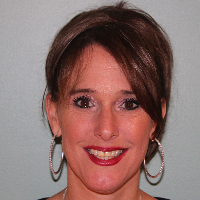
Oklahoma · 14 yrs exp
Compassionate practical help for anxiety and life change
Stress, Anxiety · Addictions · Relationship · Family · +12 more
Read profile
Oklahoma · 33 yrs exp
Compassionate counselor for anxiety and life changes
Stress, Anxiety · Depression · Coping with life changes · Relationship · +4 more
Read profile
Oklahoma · 27 yrs exp
Goal-focused counselor for anxiety and panic
Stress, Anxiety · Trauma and abuse · Eating · Depression · +9 more
Read profile
Oklahoma · 7 yrs exp
Calm guidance with practical tools
Stress, Anxiety · Parenting · Self esteem · Depression · +11 more
Read profile
Oklahoma · 13 yrs exp
Warm, practical counseling for anxiety and life changes
Stress, Anxiety · Addictions · Self esteem · Depression · +9 more
Read profile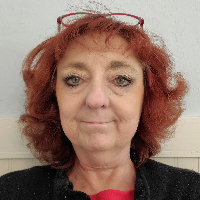
Oklahoma · 3 yrs exp
Calm-focused counseling for everyday life
Stress, Anxiety · Anger · Depression · Coping with life changes · +7 more
Read profile
Oklahoma · 9 yrs exp
Calm, practical counseling for everyday challenges
Stress, Anxiety · Relationship · Family · Trauma and abuse · +11 more
Read profile
Oklahoma · 12 yrs exp
Compassionate, practical counseling for everyday struggles
Stress, Anxiety · Family · Trauma and abuse · Self esteem · +10 more
Read profile
Oklahoma · 8 yrs exp
Compassionate counselor helping with anxiety and panic
Stress, Anxiety · Family · Grief · Depression · +1 more
Read profile
Oklahoma · 25 yrs exp
Calm guidance for anxiety and trauma recovery
Stress, Anxiety · Trauma and abuse · Parenting · Depression · +7 more
Read profile
Oklahoma · 20 yrs exp
Practical support for anxiety and life changes
Stress, Anxiety · Trauma and abuse · Depression · Coping with life changes · +7 more
Read profile
Oklahoma · 21 yrs exp
Calm, practical support for anxiety and panic
Stress, Anxiety · Trauma and abuse · Anger · ADHD · +3 more
Read profile
Oklahoma · 20 yrs exp
Compassionate counselor focused on practical coping
Stress, Anxiety · Family · Grief · Parenting · +13 more
Read profile
Oklahoma · 27 yrs exp
Calm support for anxiety and life stressors
Stress, Anxiety · Addictions · Family · Trauma and abuse · +6 more
Read profile
Oklahoma · 3 yrs exp
Compassionate LPC supporting anxiety and identity
Stress, Anxiety · LGBT · Self esteem · Depression · +7 more
Read profileIf you live with panic attacks or the fear of another one, you may know the physical feelings well - a racing heart, shortness of breath, dizziness or a sensation of being unable to catch your breath. You might also find yourself avoiding places or situations you associate with an attack. Listings can help you identify clinicians who explicitly note panic attacks or panic disorder among their focus areas, which gives you a clearer place to begin your search.
Remember that a directory profile describes what a clinician lists about their interests and approaches. It does not replace medical evaluation. New or unexplained chest pain or other physical changes should be checked by a doctor first. Online talk therapy is not emergency medical care. If you are in immediate danger or experiencing a medical emergency, contact local emergency services before relying on a directory listing or an online conversation.
Scanning profiles can reduce the time you spend reaching out to clinicians whose work does not match your concerns. Look for language about panic, repeated intense episodes, panic-related avoidance, or anxiety so you can focus on profiles that explicitly mention those topics.
The listed location on a profile groups clinicians geographically but does not guarantee an in-person office or that a clinician is currently permitted to practice in every area. Always check the individual profile for details and confirm permission to work together where you live before making any plans. For clinicians practicing across countries, rules about where they can provide care may vary, so it is important to ask directly.
Academic degrees and professional permission to practice are different things. A PhD, PsyD, MD, MA or MSW describes a level of education. It does not by itself establish current permission to practice in a particular place. In the United States, professional permission often comes in the form of a state license, for example a clinical psychologist license, LCSW, LPC or LMFT designation, which indicates an authorization to practice in that state. In the United Kingdom and Australia, clinicians often list registration or membership with national or regional bodies rather than a state license. Check the profile to see how a clinician describes their academic degrees and their current legal permission to work in a location, and ask them to clarify if it is not clear.
Because profiles can cover clinicians from the United States, the United Kingdom and Australia, be mindful that terminology and credential structures differ. If license status matters to you, ask the clinician to explain what their degree and their listed registration or license mean for the kind of work they can legally do where you live.
When you contact a clinician or review their profile, the questions you bring forward can help you understand whether their ways of working fit what you need. Ask about their experience specifically with panic attacks and panic-related avoidance, and how they typically support someone who describes frequent or intense panic. You can ask whether they have worked with people who experience panic in similar circumstances to yours, such as panic that occurs in public places, panic alongside health anxiety, or panic after a stressful life event.
Profiles often list therapeutic approaches as interests or tools. If a profile names cognitive behavioral approaches, exposure-based work, mindfulness, acceptance strategies, or lists EMDR among their approaches, ask the clinician to explain how they use those approaches with panic. Use language that recognizes the profile only indicates that they list an approach - ask for concrete examples of how they apply it, how they introduce new skills, and what a typical session focus might be. You can also ask whether they work with medication prescribers when coordination is needed, or whether they focus on talk-based interventions alone. Remember to ask whether they treat adults only, or whether they also work with adolescents, couples or families, since a listed topic does not establish the populations a clinician treats.
It is reasonable to ask how clinicians handle moments of intense distress in a session and to ask about their routine for safety planning. Ask what steps they suggest if you have a particularly difficult week, and whether they can provide brief, practical coping strategies you can use immediately when you feel an attack starting.
If you are considering remote or online work, there are key practical and safety topics to clarify before beginning. Ask whether the clinician is permitted to offer care in your state or country, and confirm the listed location aligns with where they say they can legally work with you. Discuss technology basics - the platforms they use, whether they provide phone-only sessions if video is difficult, and what to expect if a connection drops during a session. It is also important to agree on a plan for emergencies. Ask the clinician what they expect you to do if you experience a severe panic attack outside of a session, and how they advise you to access local emergency services or medical help if needed.
Privacy practices are another sensible area to discuss. You can ask how they protect messages and session notes, and what steps they recommend if you share an enclosed or quiet space for calls. If you are concerned about interruptions or family members overhearing, ask about strategies for creating a calm setting and for pausing a session safely if something unexpected happens. Clarify time zone differences if a clinician lists a location in a different region and confirm the typical session length and how cancellations are handled; these are operational details that help you plan but do not speak to clinical fit.
Comparing profiles means looking beyond a single phrase to how a clinician frames their work. Read the profile language about panic, anxiety and related focus areas. Some clinicians will describe specific types of panic-related problems, such as recurrent panic episodes or panic that ties closely to avoidance behaviors. Others may describe anxiety more broadly. Consider which descriptions most closely match your experience and which clinicians describe offering skill-based work versus exploratory or insight-oriented approaches.
Language capability is another practical filter. If you prefer therapy in a language other than English, look for profiles that list those languages and ask whether the clinician conducts clinical conversation and therapeutic work in that language, rather than relying on brief greetings. A profile may list cultural competence or experience with particular communities; if this is important to you, ask for examples of how that experience shapes their approach.
When you compare credentials, note both academic degrees and the legal or professional permissions listed. A clinician may list a PhD or MSW and separately describe a state license, UK registration, or Australian membership. That distinction matters because a degree alone does not establish current permission to practice. Finally, pay attention to tone. Some profiles describe a more structured, skills-based style; others emphasize a collaborative, exploratory tone. If you want a particular style, ask clinicians how they typically structure sessions and what kinds of homework or practice, if any, they use between meetings. Use direct questions that reference what you read on the profile so you can get clear, practical answers before deciding who to contact for a first conversation.
Ultimately, the directory helps you narrow choices by showing which clinicians list panic attacks and anxiety in Oklahoma and beyond. Use the information on each profile as a starting point, follow the links to read full profiles, and confirm permission to work where you live before proceeding. Clear questions about experience, approach, languages and procedural details will help you find clinicians whose ways of working match what you need right now.
Addictions
1106 therapists
Chronic Illness
623 therapists
Chronic Pain
623 therapists
Control Issues
1558 therapists
Depression
3180 therapists
Grief
1868 therapists
Guilt and Shame
2657 therapists
Isolation / Loneliness
2494 therapists
Mood Disorders
2033 therapists
OCD
635 therapists
Panic Disorder and Panic Attacks
3797 therapists
Phobias
387 therapists
Post-Traumatic Stress
2361 therapists
Postpartum Depression
425 therapists
Self Esteem
2682 therapists
Sleeping Disorders
463 therapists
Social Anxiety and Phobia
2909 therapists
Somatization
150 therapists
Stress & Anxiety
3634 therapists
Trauma and Abuse
2467 therapists
Aging and Geriatric Issues
340 therapists
Attachment Issues
1720 therapists
Career
1021 therapists
Caregiver Issues and Stress
1313 therapists
Communication Problems
2808 therapists
Coping with Life Changes
2276 therapists
Family
1588 therapists
Life Purpose
2455 therapists
Money and Financial Issues
528 therapists
Parenting
1174 therapists
Pregnancy
468 therapists
Relationship
2298 therapists
Workplace Issues
1483 therapists