
Karen McGroerty
LPMHCDelaware · 18 yrs exp
Calm, practical support for anxiety and mood concerns
Stress, Anxiety · Trauma and abuse · Bipolar · Depression · +8 more
Read profileTherapists in the United States, United Kingdom and Australia
Need help right now?Therapist listings are provided by BetterHelp. We will earn a commission at no additional cost to you if you use our links to purchase.
Browse profiles of therapists who list panic attacks and anxiety in Delaware to compare focus areas, approaches, credentials, languages and therapeutic style. Use the listings to find profiles that match your needs and then open individual profiles for details and contact information.
Delaware · 18 yrs exp
Calm, practical support for anxiety and mood concerns
Stress, Anxiety · Trauma and abuse · Bipolar · Depression · +8 more
Read profile
Delaware · 12 yrs exp
Practical support for anxiety and stress
Stress, Anxiety · Family · Trauma and abuse · Self esteem · +1 more
Read profile
Delaware · 10 yrs exp
Calm, practical care for anxiety and panic
Stress, Anxiety · Relationship · Trauma and abuse · Grief · +1 more
Read profile
Delaware · 18 yrs exp
Calm, practical support for overwhelming anxiety
Stress, Anxiety · Relationship · Trauma and abuse · Self esteem · +1 more
Read profile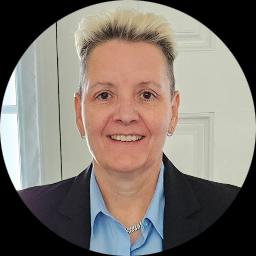
Delaware · 6 yrs exp
Therapist who honors values and builds skills
Stress, Anxiety · Relationship · Self esteem · Depression
Read profileIf you have panic attacks or live with the fear of one, you are likely familiar with moments of a racing heart, breathlessness, sweating, or a strong sense of dread. Some people describe feeling detached from their surroundings or feeling like they might lose control. Others respond by avoiding places or situations where attacks have happened before, which can slowly narrow daily life. Descriptions on a therapist profile may mention panic attacks, panic disorder, anxiety, avoidance or physical symptoms. Those labels aim to help you find clinicians who list related focus areas, but they do not replace a medical evaluation.
If you notice new chest pain, fainting, prolonged shortness of breath or other new physical symptoms, see a medical professional promptly. Online talk therapy is not emergency or medical care, and it is important to get urgent medical attention when symptoms suggest a physical condition. When reading profile language, pay attention to how a clinician talks about symptom experiences and coping strategies. Clear descriptions of what someone can expect in sessions - for example, whether the clinician emphasizes learning practical skills, exploring patterns, or building tolerance for bodily sensations - can help you match a profile to what feels manageable and respectful of your experience.
Profiles grouped under the listed location Delaware indicate that the clinician has chosen to appear in this geographical category. This grouping does not prove that a therapist has an office in Delaware, that their practice is physically near you, or that they hold an active authorization to provide care in every jurisdiction. If you live in Delaware or elsewhere, check the individual profile for details and confirm directly that the clinician has permission to work with people in your state or country. The distinction matters because professional permission to practice can vary by state or nation.
For clinicians located in the United States, look for any statements about a state license to practice mental health care. For clinicians in the United Kingdom and Australia, profiles may reference professional registration, membership or professional bodies rather than a US-style license. Academic degrees such as PhD, PsyD, MD, MA and MSW describe a person’s education but do not by themselves establish current permission to practice. A degree can indicate training in a field, while licensing, registration or membership indicates the regulatory or professional framework that governs practice. When in doubt, ask the clinician directly whether they are permitted to provide care where you live and how they meet regional requirements.
When you open a profile, consider asking concrete questions that clarify how a clinician works with panic and anxiety. You might ask which approaches they list and how those approaches actually show up in sessions, rather than assuming a listed approach means it is the primary focus. If a profile lists exposure-based work, mindfulness, cognitive strategies or other approaches, ask how those are adapted for panic symptoms like a racing heart or breathlessness. Ask whether they work mainly on short-term symptom management, longer-term patterns, or a combination of both.
Also ask about the clinician’s experience with people who share your concerns. A useful question could be how they typically support someone who avoids places or situations because of fear of an attack, and what early steps they take to help a person feel more in control of their breathing and physical sensations. If language or cultural understanding matters to you, ask which languages they speak and whether they have experience working with communities similar to yours. Keep in mind that a profile note about working with adolescents, couples or families is not a guarantee - discuss scope directly to ensure the clinician’s typical caseload matches your needs.
If you are considering online work, clarify practical and safety details before beginning. Ask where the clinician is permitted to practice, which communication platforms they use, and how emergency situations are handled when someone is not in the same location. Confirm whether they expect you to have access to local emergency services and how they coordinate care if a medical or urgent situation arises. Because online talk care is not a substitute for emergency or medical services, it helps to identify a local medical provider or urgent care contact ahead of time if you have serious physical symptoms related to anxiety or panic.
Discuss what a typical session will include so you know whether the clinician focuses on teaching breathing and grounding skills, tracking patterns that trigger attacks, helping with avoidance, or exploring underlying worries. If you are concerned about the physical sensations that accompany panic - such as a pounding heart or shortness of breath - ask how the clinician approaches those sensations and whether they offer in-session coaching to reduce distress. Confirm whether they are clear about the limits of remote care and whether they require informed steps for managing risk should symptoms escalate. These conversations help set realistic expectations and create a shared plan for safety and support.
Comparing profiles involves looking at several elements together rather than making a decision based on one line of information. Read how a clinician describes their focus areas - for example, panic attacks, generalized anxiety or avoidance - and then check descriptors of how they work, such as whether they emphasize skills-building, exposure, or reflective therapy. Note the degrees listed on a profile like PhD, PsyD, MD, MA or MSW and treat those as information about academic background. Then look for statements about licensing, registration or professional membership to understand the regulatory context for practice in the United States, the United Kingdom or Australia.
Consider language and communication style as part of fit. Some profiles list the languages a clinician speaks and may describe their approach to cultural issues. Pay attention to how a clinician writes about session structure and goals - a direct, skills-focused description may fit someone who wants clear strategies, while a more exploratory description may suit someone who wants to reflect on deeper patterns. Ask specific comparison questions such as: Does the profile list panic attacks among the focus areas? Which approaches do they list and how might those be applied to bodily symptoms and avoidance? What credentials and regulatory permissions do they indicate, and do they speak your preferred language? Use these questions to narrow profiles to a few that feel like reasonable matches, then open each individual profile and confirm permission to work together where you live before proceeding.
Choosing a clinician is a personal process that benefits from clear information and direct conversation. The profiles grouped under Delaware can help you identify clinicians who list panic attacks and anxiety among their focus areas, but detailed questions and verification are essential steps before beginning care. Take the time to read profiles, ask the concrete questions that matter to you, and confirm professional permission for the location where you will be receiving services.
Addictions
1106 therapists
Chronic Illness
623 therapists
Chronic Pain
623 therapists
Control Issues
1558 therapists
Depression
3180 therapists
Grief
1868 therapists
Guilt and Shame
2657 therapists
Isolation / Loneliness
2494 therapists
Mood Disorders
2033 therapists
OCD
635 therapists
Panic Disorder and Panic Attacks
3797 therapists
Phobias
387 therapists
Post-Traumatic Stress
2361 therapists
Postpartum Depression
425 therapists
Self Esteem
2682 therapists
Sleeping Disorders
463 therapists
Social Anxiety and Phobia
2909 therapists
Somatization
150 therapists
Stress & Anxiety
3634 therapists
Trauma and Abuse
2467 therapists
Aging and Geriatric Issues
340 therapists
Attachment Issues
1720 therapists
Career
1021 therapists
Caregiver Issues and Stress
1313 therapists
Communication Problems
2808 therapists
Coping with Life Changes
2276 therapists
Family
1588 therapists
Life Purpose
2455 therapists
Money and Financial Issues
528 therapists
Parenting
1174 therapists
Pregnancy
468 therapists
Relationship
2298 therapists
Workplace Issues
1483 therapists