
Mary Dashiell
LCSWFlorida · 18 yrs exp
Compassionate guidance for anxiety and trauma recovery
Addictions · LGBT · Trauma and abuse · Eating
Read profileTherapists in the United States, United Kingdom and Australia
Need help right now?Therapist listings are provided by BetterHelp. We will earn a commission at no additional cost to you if you use our links to purchase.
Browse therapists listed for panic attacks and anxiety in Florida and compare profiles by approaches, credentials, languages and experience. Use each profile to check a therapist's listed location and confirm they may work with you where you live. Click any profile to read more and reach out directly to discuss your needs.
Florida · 18 yrs exp
Compassionate guidance for anxiety and trauma recovery
Addictions · LGBT · Trauma and abuse · Eating
Read profile
Florida · 25 yrs exp
Calm, practical support for anxiety and relationships
Stress, Anxiety · Relationship · Intimacy-related issues · Depression
Read profile
Florida · 16 yrs exp
Compassionate guidance for stress and anxiety
Stress, Anxiety · Relationship · Anger · Depression · +1 more
Read profile
Florida · 25 yrs exp
Compassionate counselor for stress and anxiety
Stress, Anxiety · Addictions · Relationship · Depression · +1 more
Read profile
Florida · 20 yrs exp
Calm, practical therapy for anxiety and stress
Stress, Anxiety · Addictions · Trauma and abuse · Grief · +2 more
Read profile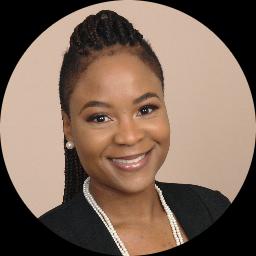
Florida · 8 yrs exp
Warm, practical therapy for anxiety and stress
Stress, Anxiety · Trauma and abuse · Depression · Relationship · +5 more
Read profile
Florida · 15 yrs exp
A steady, practical guide through panic and anxiety
Stress, Anxiety · Depression · ADHD · Trauma and abuse · +1 more
Read profile
Florida · 23 yrs exp
Calm, practical support for anxious moments
Stress, Anxiety · Trauma and abuse · Anger · Self esteem · +3 more
Read profile
Florida · 5 yrs exp
Warm, practical therapy for anxiety and stress
Stress, Anxiety · Self esteem · Coping with life changes · ADHD · +3 more
Read profile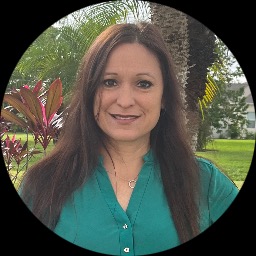
Florida · 13 yrs exp
Practical, bilingual counseling for anxiety and life change
Stress, Anxiety · Relationship · Trauma and abuse · Depression · +1 more
Read profile
Florida · 27 yrs exp
Calm, practical help for anxiety and life changes
Stress, Anxiety · Relationship · Family · Depression · +1 more
Read profile
Florida · 10 yrs exp
Compassionate, practical therapy for anxiety and life change
Stress, Anxiety · Trauma and abuse · Grief · Depression · +1 more
Read profile
Florida · 20 yrs exp
Calm-focused, practical therapy for anxiety and life changes
Stress, Anxiety · Relationship · Family · Self esteem · +1 more
Read profile
Florida · 24 yrs exp
Calm guidance for everyday anxiety
Stress, Anxiety · Relationship · Family · Self esteem · +1 more
Read profile
Florida · 24 yrs exp
Calm, practical support for everyday struggles
Stress, Anxiety · Anger · Self esteem · Depression · +1 more
Read profile
Florida · 27 yrs exp
Practical care from a seasoned LCSW
Stress, Anxiety · Grief · Anger · Self esteem · +1 more
Read profile
Florida · 3 yrs exp
Compassionate counselor for stress and anxiety
Stress, Anxiety · Trauma and abuse · Eating · Self esteem · +1 more
Read profile
Florida · 44 yrs exp
Compassionate care for anxiety and life change
Stress, Anxiety · Grief · Self esteem · Depression · +1 more
Read profile
Florida · 6 yrs exp
Compassionate support for anxiety and life change
Stress, Anxiety · Relationship · Trauma and abuse · Self esteem · +1 more
Read profile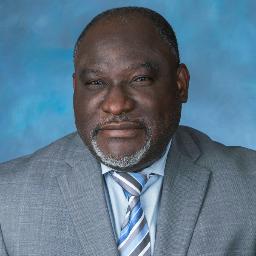
Florida · 5 yrs exp
Practical support for anxiety and mood concerns
Stress, Anxiety · Anger · Self esteem · Bipolar · +1 more
Read profile
Florida · 5 yrs exp
Calm, practical help for anxiety and life changes
Stress, Anxiety · Relationship · Career · Depression · +1 more
Read profile
Florida · 3 yrs exp
Calm, practical support for everyday challenges
Stress, Anxiety · Self esteem · Career · Depression · +1 more
Read profile
Florida · 4 yrs exp
Practical therapy for anxiety and life changes
Stress, Anxiety · Trauma and abuse · Depression · Coping with life changes · +1 more
Read profile
Florida · 20 yrs exp
Therapist focused on anxiety and relationships
Stress, Anxiety · Relationship · Trauma and abuse · Self esteem · +1 more
Read profileIf panic attacks, sudden surges of intense fear, or persistent anxiety worry you, it helps to name the experiences you want support with before you start looking at profiles. You might be noticing a racing heart, breathlessness, lightheadedness, a sense that you might lose control, or strong urges to avoid places or situations. These are common descriptions people use when they search for help, and they point to different priorities you can discuss with a therapist. For some people the first step is learning breathing and grounding strategies to manage moments of acute distress. For others the focus is on reducing avoidance and rebuilding activities that feel important but now feel risky.
When you browse profiles, think about your immediate safety needs as well as longer term goals. If you have new chest pain, fainting, or another new physical symptom, check with a doctor first. Online talk therapy is not emergency or medical care. You can use a profile to start a conversation about how a therapist supports someone with frequent panic attacks, how they work with your medical team if needed, and what kinds of outcomes previous clients have described without assuming any guarantees.
Profiles in this directory are grouped under the listed location Florida, but the presence of Florida on a profile does not by itself prove an office address, an in-person practice, or permission to work with every resident of the state. You should check each individual profile and confirm directly with the therapist that they are able to work with you in your location. Rules about where a practitioner may work vary by country and by state, and they change over time.
Academic degrees and professional authorization are different things. A PhD, PsyD, MD, MA, or MSW is an academic degree but does not automatically establish current permission to practice. In the United States clinicians often hold a state license - for example a social work license, counseling license, marriage and family therapy license, psychologist license, or medical license - and those licenses are issued at the state level. In the United Kingdom and Australia, practitioners may list registration or membership with national or professional bodies, and that registration or membership serves a similar role to licensing in the US. A profile may mention a degree, a license, or a registration, but you should confirm on the profile or by asking the clinician what their current authorization is to work with you where you live.
When you compare profiles, use concrete questions that relate to your priorities. Ask whether the clinician works specifically with panic attacks and what kinds of anxiety presentations they have experience with. You can ask whether they have worked with people who avoid certain places or activities because of fear, or whether they have experience supporting someone during periods of heightened physical symptoms. It is appropriate to ask how long they have been seeing clients for panic or anxiety and what kinds of client goals they typically focus on.
Therapists may list a range of approaches on their profiles. Phrase questions to reflect that listing - for example, you might ask about therapists who list cognitive behavioral approaches, exposure-based work, mindfulness, acceptance-oriented strategies, or breathing and interoceptive practices among their approaches. You can ask them to describe, in plain language, how they typically work with panic-related symptoms and what a usual short-term plan looks like for someone with your concerns. Be careful not to assume that a listed approach equals a specific credential; instead ask for examples of how that approach has been used with people who had similar worries to yours.
If you are considering remote or hybrid care, confirm practical and safety details early. Ask whether the clinician is permitted to provide care to people located in Florida at the time you plan to meet. Clarify what you should do in a medical emergency or if you develop new physical symptoms between sessions. If you have chest pain, fainting, or another new medical concern, seek immediate evaluation by a health professional. Online talk therapy is not emergency or medical care, and good clinicians will discuss an emergency plan that works for your situation.
It is also reasonable to talk about communication preferences, languages spoken, and how the clinician handles coordination with your primary care provider or other members of your care team. If you rely on medication, you can ask whether the therapist routinely coordinates with prescribers. If technology will be part of your care, ask what platforms or methods they use and what to do if there is a technical interruption. These practical conversations help you know how a therapist structures the beginning of care and how they manage situations where safety or medical input is needed.
Comparing profiles involves more than scanning a headline. Look at the focus areas listed and note whether panic attacks or panic disorder are named alongside other concerns that affect you, such as generalized anxiety, health anxiety, or avoidance behavior. Read how the clinician describes their style or approach and whether they mention working with adults, adolescents, or other populations, but do not assume that a listed topic means they routinely treat every population. If you need a therapist who speaks a language other than English, check the languages on the profile and ask how they use that language in sessions.
Pay attention to the mix of academic credentials and professional authorization on a profile. A degree indicates formal training in a field. Professional authorization - a US state license, a UK registration, or Australian membership - indicates the rules the clinician follows to practice in a jurisdiction. When comparing clinicians, ask about the match between their stated focus areas and your specific concerns, and ask for examples of how they have helped people manage panic-related symptoms. Also consider their described therapeutic style - whether they emphasize practical skills, exploration of patterns, exposure-focused work, or acceptance approaches - and how that style aligns with what you think will feel workable for you.
Take time to read several profiles and prepare a short list of tailored questions before you reach out. Confirm a therapist's listed location, their authorization to work with you in Florida, and whether the profile reflects the work you are looking for. These steps help you move forward with clearer expectations and a better sense of fit as you begin to explore care for panic attacks and anxiety.
Addictions
1106 therapists
Chronic Illness
623 therapists
Chronic Pain
623 therapists
Control Issues
1558 therapists
Depression
3180 therapists
Grief
1868 therapists
Guilt and Shame
2657 therapists
Isolation / Loneliness
2494 therapists
Mood Disorders
2033 therapists
OCD
635 therapists
Panic Disorder and Panic Attacks
3797 therapists
Phobias
387 therapists
Post-Traumatic Stress
2361 therapists
Postpartum Depression
425 therapists
Self Esteem
2682 therapists
Sleeping Disorders
463 therapists
Social Anxiety and Phobia
2909 therapists
Somatization
150 therapists
Stress & Anxiety
3634 therapists
Trauma and Abuse
2467 therapists
Aging and Geriatric Issues
340 therapists
Attachment Issues
1720 therapists
Career
1021 therapists
Caregiver Issues and Stress
1313 therapists
Communication Problems
2808 therapists
Coping with Life Changes
2276 therapists
Family
1588 therapists
Life Purpose
2455 therapists
Money and Financial Issues
528 therapists
Parenting
1174 therapists
Pregnancy
468 therapists
Relationship
2298 therapists
Workplace Issues
1483 therapists