- Gentle direct approach
- Focus on attachment
- Practical coping tools
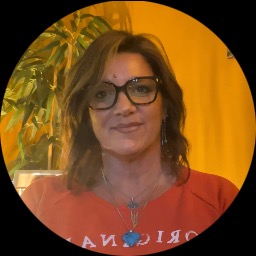
About Caralisa
Caralisa Alvis of Lee welcomes people who are feeling overwhelmed by anxiety, stress, relationship strain, grief or major life changes. She presents a calm, direct style and aims to make sessions clear and practical. People who have faced trauma, parenting pressures, domestic abuse or problems with self‑esteem can expect straightforward support and gentle challenge.
With four years of professional experience, Caralisa uses a blend of talking approaches that suit the person in front of her. She focuses on building a trusting space where thoughts and feelings can be talked through without judgement. The first meetings tend to clarify immediate concerns and set simple goals to work on between sessions.
Her approach draws on attachment‑based ideas to look at how early relationships affect present patterns. She also uses client‑centred listening so people can lead what matters most to them. Cognitive behavioural techniques are introduced when helpful to change unhelpful thoughts and behaviours.
Caralisa works with issues such as anger, addictions, codependency, abandonment worries and coping after separation. She also supports those dealing with caregiver stress, dissociation and the emotional aftermath of domestic violence.
She holds membership of the British Association for Counselling and Psychotherapy, shown as BACP, and practices in the United Kingdom. Sessions are conducted in English and she accepts international clients when arrangements allow. To begin, clients complete a short questionnaire and book according to the therapist's schedule.
How these approaches translate to online work
Caralisa blends attachment‑based and client‑centred ways of working with cognitive behavioural techniques to address worries like panic, persistent anxiety and relationship stress. Attachment‑based work looks at how past relationships shape current reactions and helps people spot repeating patterns. Client‑centred work prioritises what feels most pressing to the person and uses listening and reflection to build trust. Cognitive behavioural techniques focus on identifying unhelpful thoughts and testing small behavioural changes to reduce distress and regain control.Finding the best approach is part of the therapy process. Caralisa will discuss options with each person and agree a plan that matches their goals and preferences. That collaborative process means approaches can shift as needs change, for example adding more practical exercises if panic symptoms need direct strategies.
The original biography does not list specific online formats, so please confirm current session options before booking. Online work can make it easier to fit sessions into busy days, reduce travel time and allow for shorter check‑ins when needed. It can also make it simpler to keep continuity after major life changes or when people are based outside the therapist's local area.
Areas of expertise
Primary focus
Also works with
Additional focus areas
Therapeutic approaches
Experience
4+ years
Listed in
United Kingdom
Languages
English
Frequently asked questions
What concerns does she help with?
She supports people with stress, anxiety and relationship problems, plus trauma, parenting pressures and grief. Other areas include anger, addictions, self‑esteem and coping with life changes.
How would you describe her therapeutic style?
Her style is calm and client‑centred, with clear practical suggestions. Sessions combine empathetic listening with techniques to change unhelpful thoughts and behaviours.
What experience does the counsellor have?
She has four years of professional practice helping people with anxiety, trauma, relationship issues and parenting concerns. That experience informs how she shapes sessions and goals.
What credentials and location are listed?
She is a member of the British Association for Counselling and Psychotherapy, listed as BACP, and works in the United Kingdom.
In which languages can sessions be held?
Sessions are offered in English and arrangements can be made for international clients.
What session formats are available?
The original biography does not specify session formats, so please confirm current options before booking.
How are fees and payments handled?
Costs vary with location and the therapist's schedule; sessions use a subscription that can be cancelled at any time.
How do I start working with her?
Select the Start Therapy button, complete a short matching questionnaire, and then schedule sessions according to the therapist's availability.