- Compassionate listener
- Skill-focused work
- English sessions
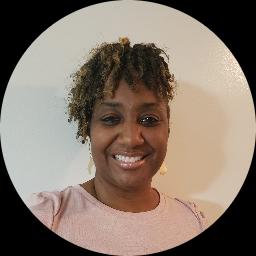
About Tasha
Tasha Boone is a licensed clinical mental health counselor who helps people facing anxiety, panic attacks, depression, anger, and relationship stress. She approaches concerns like parenting strain, family conflict, ADHD challenges, and sleep problems with practical, clear support. Tasha communicates with respect and compassion and encourages people taking the first step toward getting help.
She uses straightforward conversations to identify what matters most to each person. Sessions focus on small, usable changes rather than medical jargon. Tasha adapts the pace and plan to fit individual goals and life demands, and she invites clients to shape treatment together.
Over seven years as a licensed clinician, she has worked with clients dealing with trauma, grief, self-harm thoughts, and mood issues. She also supports people coping with adoption and foster care concerns, blended family dynamics, caregiver stress, and feelings of isolation or emptiness. Her background includes helping with impulse control, control issues, and communication problems.
Tasha draws from practical approaches such as client-centered work, cognitive behavioral techniques, dialectical behavior strategies, mindfulness, and motivational interviewing. These methods are applied in simple ways to manage panic, reduce overwhelming emotions, and improve daily functioning. She guides people to learn skills they can use between sessions.
People who choose her can expect a collaborative, down-to-earth style. She aims to make sessions useful and understandable so clients can try changes right away. Tasha works from North Carolina and conducts sessions in English.
Using practical therapy approaches online
Client-centered therapy focuses on understanding each person’s experience and responding with empathy so the client feels heard and can choose their goals. It helps people who need space to talk and decide what matters most to them.Cognitive behavioral therapy, or CBT, breaks problems into thoughts, feelings, and actions and teaches specific skills to change unhelpful patterns. It is often used for anxiety, panic attacks, and mood concerns to teach coping tools that can be practiced between sessions.
Dialectical behavior therapy, known as DBT, includes skills for managing intense emotions, improving relationships, and reducing impulsive behaviors. It can be useful when strong emotions or self-harm urges interfere with daily life.
Finding the right mix of methods is part of the work together. Tasha will collaborate with each person to choose approaches that match their needs, goals, and preferences and will adjust the plan as progress is made.
The original biography did not list specific session formats, so confirm current online options before booking. Many people value online work because it can fit into busy schedules, cut travel time, and make it easier to join sessions from different locations. Online sessions can also allow for shorter check-ins or audio-only meetings when that better suits someone’s day.
Areas of expertise
Primary focus
Also works with
Additional focus areas
Therapeutic approaches
Experience
7+ years
Listed in
North Carolina
Languages
English
Frequently asked questions
What concerns does she commonly address?
Tasha supports people with anxiety, panic disorder and panic attacks, depression, anger, and relationship or family stress. She also helps with grief, sleep issues, ADHD-related challenges, trauma, and self-esteem struggles.
How would you describe her therapy style?
Her approach is collaborative and down-to-earth with clear, practical steps. She focuses on short-term skills and problem solving while listening to each person’s priorities.
What is her background and experience?
She has seven years as a licensed clinician and more than seven years working in the mental health field overall. Her experience includes work with trauma, mood disorders, and family and parenting concerns.
What credentials and location are listed?
She holds an LCMHC credential and practices in North Carolina. The credential listed is NC LCMHC.
Which languages are available for sessions?
Sessions are offered in English and she accepts international clients who communicate in English.
What session formats are offered?
The original biography did not specify session formats. Please confirm current session options before booking to ensure they meet your needs.
How does pricing work for sessions?
Cost varies with location and therapist availability, and sessions use a subscription that can be canceled at any time. Specific pricing is determined during the matching and scheduling process.
How do I begin working with her?
Select the Start Therapy button, complete a short matching questionnaire, and schedule according to therapist availability. That process will connect you to the next steps for booking.