- Person-centered care
- Practical coping skills
- Support for grief
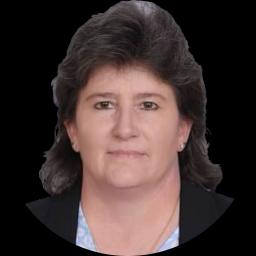
About Nancy
Nancy McGraw is a licensed clinical social worker (LCSW-R) in New York with 25 years of experience. She helps people who are facing anxiety, stress, depression, grief, and major life changes. Her work often centers on restoring a sense of purpose and practical coping skills.
She takes a collaborative, person-centered approach. Sessions focus on what matters most to each person and on realistic steps to feel better. Nancy blends talking through experiences with concrete strategies to manage symptoms like panic attacks and overwhelming stress.
Her background includes long-term work with caregivers, veterans, and people living with chronic illness. That experience informs how she supports challenges such as isolation, caregiver strain, and end-of-life concerns. She also helps people cope with relationship and communication problems and questions about life purpose.
In sessions she uses practical tools from cognitive behavioral therapy and solution-focused methods alongside a client-centered stance. That mix aims to help people spot unhelpful patterns, test small changes, and track results. The emphasis is on skills that can be used between sessions.
Nancy describes her style as compassionate and direct. She helps people build resilience and workable plans for everyday life. To begin, readers are encouraged to use the Start Therapy button and complete the brief matching questionnaire.
How Nancy’s Approaches Work Online
Client-centered therapy focuses on the person's experience. The therapist follows the person’s lead, listens closely, and helps name what feels most important. This approach is useful when someone needs space to process emotions like grief or burnout.Cognitive behavioral therapy, or CBT, looks at thoughts and behaviors that keep problems going. It breaks problems into manageable steps and teaches practical tools to reduce anxiety and panic symptoms. People often try small exercises between sessions to see what helps.
Solution-focused therapy emphasizes quick, realistic changes. It helps people identify what is already working and build on small successes. This can be helpful for stress, transition issues, and getting unstuck when life feels overwhelming.
Choosing a therapeutic approach is a shared process. The therapist will talk with each person about goals and preferences and suggest ways to try different methods. Together they will adjust the plan based on what feels most helpful and what fits day-to-day life.
Confirm current session options before booking so you know what formats are available. Online therapy can make it easier to fit sessions into busy schedules, reduce travel time, and allow shorter check-ins when needed. It also lets people access a licensed professional from their region while keeping sessions focused on practical coping and progress.
Areas of expertise
Also works with
Additional focus areas
Therapeutic approaches
Experience
25+ years
Listed in
New York
Languages
English
Frequently asked questions
What concerns does Nancy commonly address?
She works with stress, anxiety, depression, grief, and related struggles such as low self-esteem and coping with life changes.
How would you describe her therapy style?
Her style is compassionate and collaborative, combining listening with practical steps clients can try between sessions.
What kind of experience does she bring?
She has 25 years of professional experience working with diverse situations, including caregiver stress, chronic illness, and veteran concerns.
What credentials and location are listed for Nancy?
She holds the LCSW-R credential and practices in New York.
Which languages are supported for sessions?
Sessions are offered in English.
Can people outside the U.S. work with her?
She does not accept international clients at this time.
How are costs and billing handled?
Costs vary with location and therapist availability; sessions use a subscription that can be canceled at any time.
What are the steps to get started?
Click the Start Therapy button, complete a short matching questionnaire, and schedule according to therapist availability.