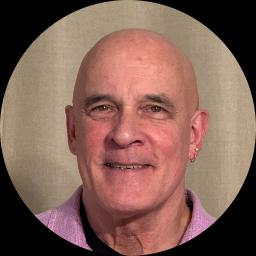
- Experienced clinician
- Practical strategies
- Goal oriented
About John
John Cook is an LCSW practicing in Alaska with 40 years of professional experience. He helps people who are struggling with addictions, relationship conflict, trauma and abuse, intimacy concerns, depression, and panic disorder and panic attacks. He aims to make the first step feel manageable and supports people who want a more fulfilling life.
He listens without judgment and encourages honest conversation about feelings and worries. Sessions focus on practical steps you can use between meetings. He mixes collaborative talk with hands-on strategies to reduce distress and improve daily functioning.
His style is rooted in well-known therapy approaches. Cognitive Behavioral Therapy (CBT) is used to identify unhelpful thoughts and build healthier patterns. Dialectical Behavior Therapy (DBT) skills can help with emotional regulation and impulsivity. He also draws on client-centered and solution-focused techniques to keep work grounded in your goals.
Across four decades he has worked directly with individuals and supervised other clinicians. That background informs a steady, experienced presence in sessions. He puts attention on clear communication and realistic steps rather than jargon.
If you are feeling overwhelmed by panic, persistent low mood, or difficulties in relationships, he aims to provide practical support and steady guidance. People who want straightforward, experience-based help often find this approach useful.
How therapeutic approaches guide online care
Client-Centered Therapy focuses on understanding your experience and following your pace; the therapist listens closely and helps people find their own direction. Cognitive Behavioral Therapy (CBT) looks at patterns of thought and behavior that keep problems going and offers concrete tools to change them. Dialectical Behavior Therapy (DBT) provides skills for managing intense emotions and reducing impulsive actions.Finding the right approach is part of the process. The therapist works collaboratively to choose methods that match a person's goals, needs, and preferences. That choice can shift over time as progress and challenges become clearer.
Confirm available session formats before booking, as specific options are not listed here. Online sessions can make it easier to fit therapy into a busy life by reducing travel time and allowing shorter check-ins when needed. They also make it simpler to attend from different locations when schedules change. Licensed professionals can use these formats to maintain continuity of care while focusing on practical skills, emotional regulation, and coping strategies relevant to panic, mood, and relationship concerns.
Areas of expertise
Primary focus
Additional focus areas
Therapeutic approaches
Experience
40+ years
Listed in
Alaska
Languages
English
Frequently asked questions
What concerns does this therapist address?
He supports people facing addictions, relationship struggles, trauma and abuse, intimacy issues, depression, panic disorder and panic attacks, and related concerns such as attachment and isolation.
How would you describe his therapeutic style?
Sessions emphasize listening without judgment, clear communication, and practical steps. Work is collaborative and focused on things clients can try between meetings.
How much clinical experience does he have?
He has 40 years of professional experience working with individuals and supervising other clinicians, which shapes a calm and practiced approach in sessions.
What are his credentials and where is he located?
He holds an LCSW and practices in Alaska.
What languages are sessions offered in?
Sessions are offered in English.
Does he take clients from other countries?
He is not accepting international clients.
How are fees handled?
Cost varies with location and therapist availability; sessions use a subscription that can be canceled at any time.
How do I begin working with him?
Click the Start Therapy button, complete a short matching questionnaire, and schedule according to therapist availability.