- Anxiety and panic support
- Trauma-informed listening
- Practical coping skills
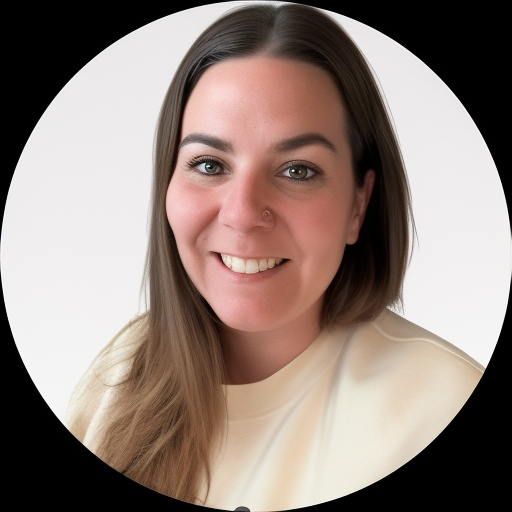
About Sandra
Sandra Acosta is a licensed clinical social worker who helps people facing anxiety, depression, relationship struggles, and trauma-related concerns. She brings eight years of practice to sessions and focuses on practical steps people can use day to day. Sandra aims to make the therapy room a calm place to sort through painful feelings and confusing patterns.
She helps people who are dealing with panic attacks, mood disorders, and chronic stress by breaking problems into manageable pieces. Sandra pays attention to how attachment, shame, and past abuse shape reactions in relationships. She also supports people coping with isolation, dissociation, or self-harm urges by building safety and grounding skills.
Sandra favors a collaborative style where goals are set together. She works with each person to identify patterns, try small changes, and notice what helps in real life. Her approach emphasizes skills people can use between sessions to reduce distress and improve daily functioning.
In sessions she listens for strengths and practical solutions, while also addressing deeper themes like guilt or identity. Sandra adapts the pace to what each person needs and checks in about what’s working. Her California-based practice centers on honest conversation, steady support, and realistic plans for change.
People who meet with Sandra can expect straightforward guidance, clear goal-setting, and a focus on coping tools alongside emotional understanding. She speaks English and brings a view that healing is a process that unfolds over time.
Approaches that help with panic and trauma online
Evidence-based therapeutic techniques focus on concrete skills and understanding patterns. One common approach emphasizes learning practical coping strategies for anxiety and panic attacks, such as breathing, grounding, and step-by-step exposure to feared situations. These tools aim to reduce immediate distress and increase confidence in everyday settings.Another often-used approach helps people process trauma and related feelings like shame and isolation. It involves identifying how past experiences affect current relationships and emotional reactions, then practicing new ways of responding that feel safer and more effective. This can help with mood disorders, dissociation, and the aftermath of abuse or assault.
Finding the right approach is part of the work. The therapist collaborates with each person to choose methods that fit their goals, comfort level, and pace. That means trying techniques, checking what helps, and adjusting plans over time so sessions stay relevant and useful.
If you are considering online therapy, confirm the session formats offered before booking since this profile does not list specific options. Online sessions can make it easier to fit therapy into a busy life, reduce travel time, and allow shorter check-ins when needed. Therapists can tailor pacing and exercises to match your schedule and daily demands, helping work on panic, relationships, and trauma while balancing other responsibilities.
Areas of expertise
Primary focus
Additional focus areas
Experience
8+ years
Listed in
California
Languages
English
Frequently asked questions
What concerns does Sandra commonly address?
Sandra works with people experiencing stress, anxiety, depression, relationship challenges, and trauma and abuse. Her practice also covers panic disorder and panic attacks, self-esteem, mood disorders, and related issues like isolation or dissociation.
What is Sandra's therapeutic style like?
She uses a collaborative, practical style that focuses on setting goals and trying workable strategies. Sessions emphasize listening, skill-building, and real-life changes rather than lengthy theory explanations.
How long has she been practicing?
Sandra has eight years of experience working as a licensed clinical social worker. That background informs her approach to mood, relationship, and trauma-related concerns.
What are her credentials and where is she based?
She holds the credential LCSW, which stands for Licensed Clinical Social Worker, and practices in California.
Which languages are available for sessions?
Sessions are offered in English.
Can I work with her from outside the United States?
She does not accept international clients at this time.
How are costs and billing handled?
Costs vary by location and therapist availability; sessions use a subscription model that can be canceled at any time.
What should I do to begin therapy?
Select the Start Therapy button, complete the short matching questionnaire, and then schedule according to the therapist's availability.