- CBT grounded
- Trauma informed
- Panic-focused care
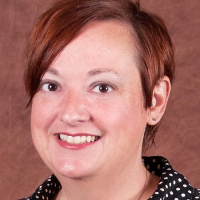
About Rebecca
Rebecca Murray is a Licensed Clinical Professional Counselor (LCPC) practicing in Illinois. She helps people who are feeling overwhelmed by stress, anxiety, grief, low self-esteem, anger, and burnout. Rebecca also supports people facing relationship strain, workplace issues, life transitions, and panic attacks and panic disorder.
Rebecca brings 11 years of clinical experience to sessions. She uses straightforward, practical techniques rooted in Cognitive Behavioral Therapy and trauma-focused work. She blends those methods with an empathic, person-centered stance and elements of Internal Family Systems when helpful.
In a typical session she listens to what matters most to the client, then suggests small, doable steps to manage symptoms and build skills. Sessions often focus on identifying unhelpful thinking patterns, testing new behaviors, and developing emotion regulation strategies. When trauma shows up, she may incorporate trauma-informed tools to reduce distress.
Rebecca aims to make therapy concrete and useful. She frames goals in everyday terms like improving sleep, reducing panic symptoms, or handling difficult conversations. She encourages steady progress rather than quick fixes.
Her approach is collaborative: she checks in about what’s working and adapts plans as needs change. People meet her for help with loss, family of origin issues, control or impulsivity concerns, first responder stress, and life-purpose questions.
How Rebecca’s approaches translate to online work
CBT, or Cognitive Behavioral Therapy, focuses on identifying unhelpful thoughts and testing new behaviors. It helps with anxiety, panic symptoms, low mood, and stress by teaching practical skills to change reactions and build tolerance. EMDR and trauma-focused techniques are ways of reducing distress tied to past upsetting events. These methods aim to help memories feel less distressing and to reduce the way they trigger anxiety or avoidance. Internal Family Systems approaches help people notice different parts of themselves - for example a fearful part and a critical part - and learn kinder, more balanced ways to relate to those parts. This can be useful for shame, self-criticism, and complicated emotion patterns. Finding the right approach is part of therapy. Rebecca works collaboratively to figure out what fits a person’s needs, goals, and preferences. She reviews options together and adapts the plan as progress is made. Please confirm which online session formats are offered before booking, as the biography does not list specific delivery methods. Online work can make it easier to fit appointments into busy lives, reduce travel time, and allow shorter check-ins or flexible timing when needed. Many people find these practical benefits help them use therapy more consistently.Areas of expertise
Primary focus
Also works with
Additional focus areas
Therapeutic approaches
Experience
11+ years
Listed in
Illinois
Languages
English
Frequently asked questions
What kinds of concerns does she address?
Rebecca works with people facing stress, anxiety, depression, grief, anger, compassion fatigue, relationship and family issues, workplace problems, and panic disorder and panic attacks.
How would you describe her therapy style?
She uses a practical, person-centered style that focuses on clear steps and real-life tools to reduce symptoms and build coping skills.
What is her professional background?
Rebecca has 11 years of clinical experience working with grief, burnout, anxiety, mood concerns, and trauma-related issues.
What credential does she hold and where is she based?
She holds the LCPC credential, which stands for Licensed Clinical Professional Counselor, and practices in Illinois.
Which languages are offered for sessions?
Sessions are offered in English.
Do you know what session formats are available?
The original biography does not list specific session formats; please confirm current session options before booking.
How is payment or cost handled?
Cost varies with location and therapist availability; sessions use a subscription model that can be canceled at any time.
What are the first steps to begin working together?
Click the Start Therapy button, complete a short matching questionnaire, and schedule according to the therapist's availability.